Google DeepMind Introduces 'CodeMender' To Help Developers Automatically Patch Security Flaws With AI

Large language models (LLMs) are extremely capable. But they are more good at certain things than others.

Large language models (LLMs) are extremely capable. But they are more good at certain things than others.
Nothing has lately made a bold proclamation: it’s taken “the first step towards an AI-native operating system.”
The moment large language models (LLMs) burst onto the scene, it rewrote the rules of search, knowledge, and even browsers.
AI is now the next frontier is the browser, the place a lot of people live when they're online.

Not exactly the best news from Snapchat, but if business is the goal, it may have no other choice.
In the ever-heating arena of generative AI, advancements come from all sides.
Video editing on mobile has been seen as a compromise: convenient for quick edits, but rarely offering the kind of precision and flexibility professionals expect.
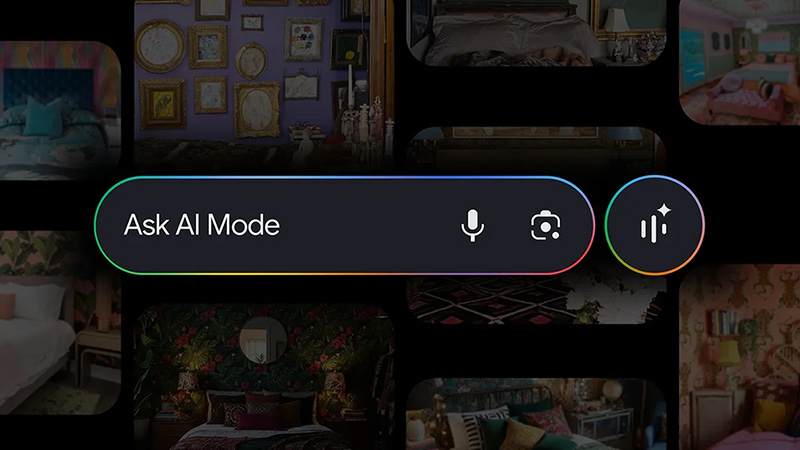
Searching online has always been about words. Now, that's no longer the case.
The large language models (LLMs) war that kicked off earlier this decade only gets fiercer by the moment a new feature is introduced

Android’s promise has always been its openness: a platform where users have the freedom to choose, tinker, and distribute without a monolithic gatekeeper.