
The video game industry stands at a crossroads: one defined as much by innovation as by anxiety. For years, the sector has wrestled with rising costs, ballooning production cycles, and waves of layoffs that have left even major studios shaken.
Now, amid this turbulence, Glen Schofield is urging developers to see AI not as a threat, but as a lifeline.
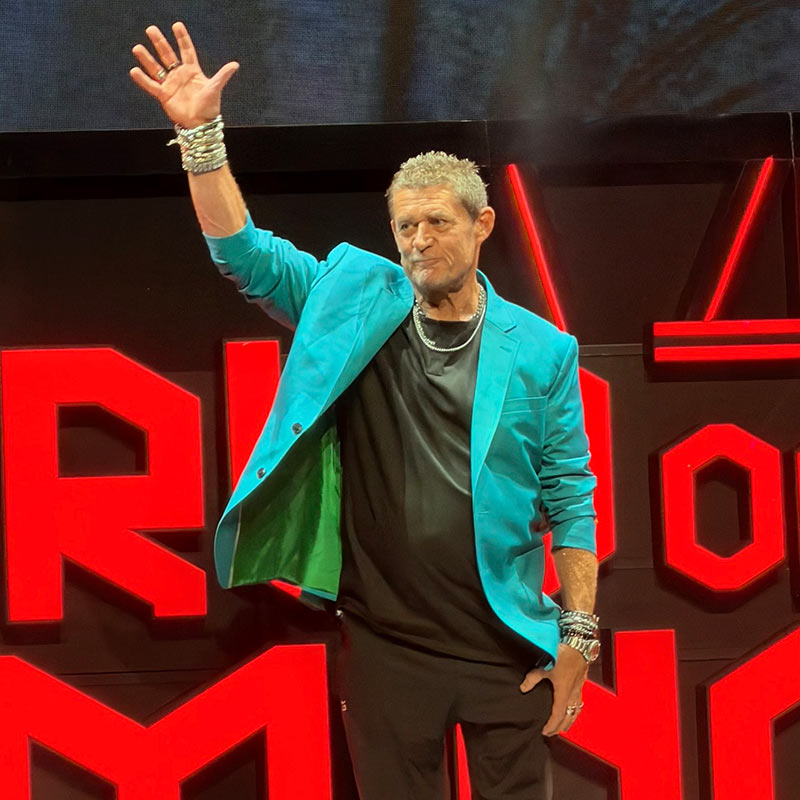
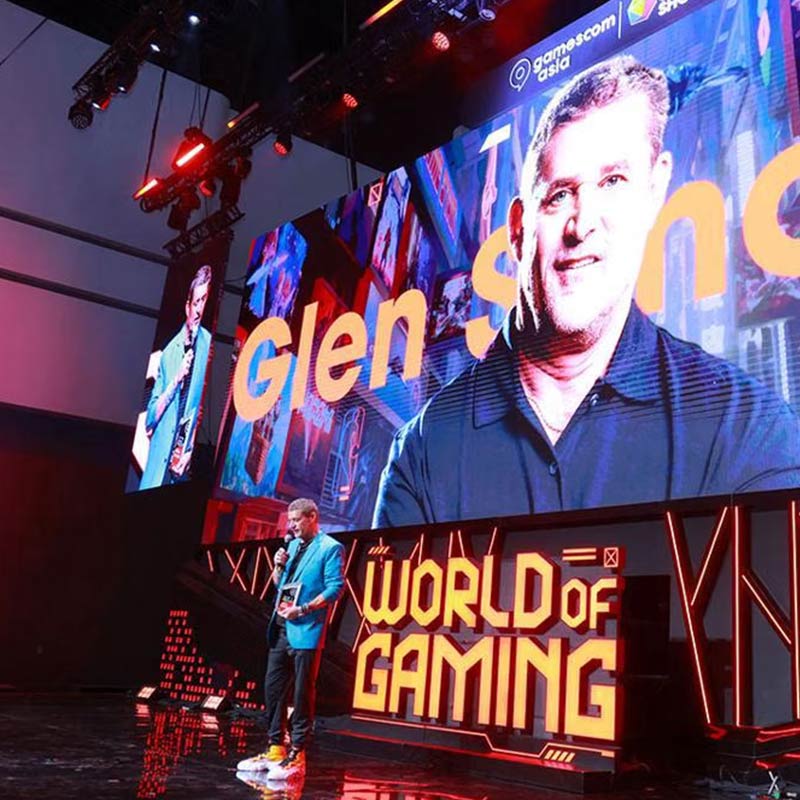
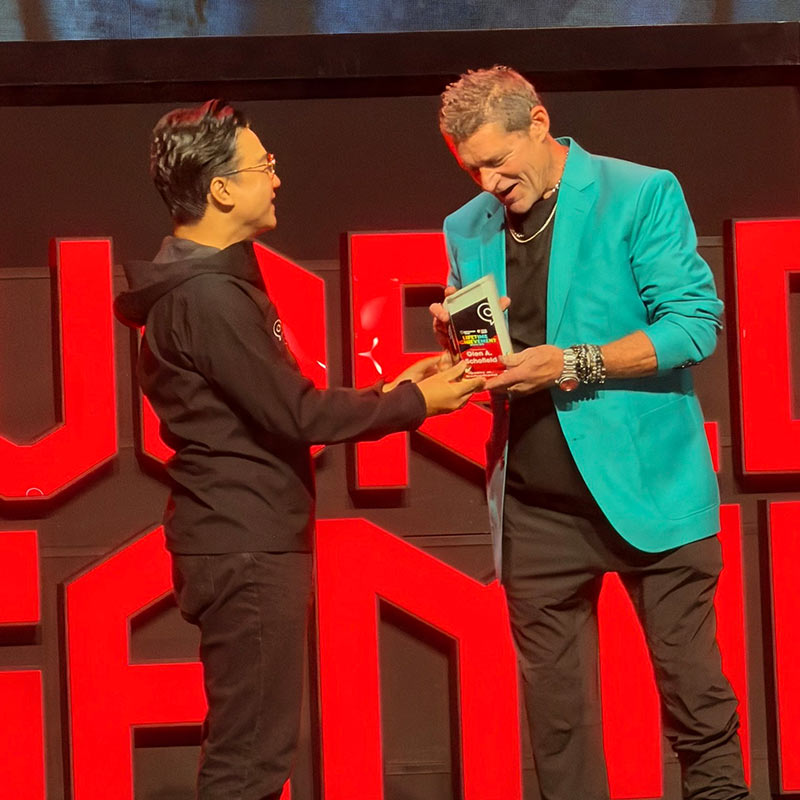
At Gamescom Asia x Thailand Game Show in Bangkok, Thailand, Schofield, the mind behind Dead Space and a key creative force in Call of Duty, didn’t mince words.
The industry veteran claimed that the gaming industry needs immediate fixing, and that he believes how to do it.
Schofield said that:
"It's broken. It's beaten, it's battered, our developers are battered, they've been taking it on the chin for the last couple of years. We need to bring it back to what it was, right? Instead of all this negativity."
The gaming industry in is in a state of transformation: vibrant yet volatile.
AAA studios, once the uncontested giants, are feeling the squeeze from both sides: soaring development costs and longer production cycles on one end, and agile indie creators on the other.
Reports suggest that while AAA game budgets continue to climb, sometimes surpassing hundreds of millions of dollars, overall industry revenue growth has slowed dramatically. The result is a financial equation that no longer adds up easily, with studios struggling to balance cinematic ambition and profitability amid player fatigue with formulaic blockbusters.
Meanwhile, indie and mid-tier ("AA") developers are thriving.
Thanks to accessible tools like Unreal Engine, Unity, and advanced AI-assisted workflows, smaller teams can create polished, innovative titles that resonate deeply with players. Indie games now account for nearly half of total PC game revenue on Steam and are often rated higher by critics than AAA releases.
Players increasingly prioritize gameplay, storytelling, and originality over pure visual spectacle, giving indie creators an edge in a saturated market.
Competition has become more fragmented and creative. Major publishers are diversifying portfolios, investing in AA or indie-like projects to hedge risks, while also embracing live-service and cross-platform strategies. Yet with thousands of games launching each year, discovery has become a new battlefield, where visibility and community engagement often determine success more than sheer production value.
Overall, the industry is recalibrating. The old formula of "bigger equals better" no longer guarantees success.
The next era of gaming belongs to those who can blend creativity with technology, whether through massive blockbusters that evolve intelligently or indie gems that win hearts through originality and soul.
And for Schofield, the answer for big titles isn't to retreat into nostalgia. Instead, he wants developers to harness AI to restore balance.
"So, I think [games industry] executives, owners, founders… Let's start training our people on AI. Start it as soon as you can. Who cares if I’m EA or Activision or Namco or whatever, we should be working together at least in training and training our people up. That would be a huge help because I know we’re going to start hiring people back again."
Schofield’s comments come as studios large and small wrestle with the implications of generative tools.
Various researches and surveys suggest that most studios already use AI in some form. Whether for asset creation, testing, or writing assistance. However, 30% of developers said they believe the technology is having a negative impact, citing IP theft, energy use, and bias. For Schofield, those challenges are growing pains, not signs of doom.
"Ideas are the lifeblood of the industry," he said. "And those ideas still come from you."
Hideo Kojima, who has long blurred the line between cinema and gaming, echoed those sentiments. The Metal Gear and Death Stranding creator described AI as a “friend” and a “co-creator.” He envisions a future where AI handles the tedious parts of production, like optimization, lighting passes, testing, while human vision remains at the center.
Kojima also said that developers have to take advantage of AI, since now the technology is coming into game creations.
Both Schofield and Kojima share a historical lens.
Schofield compared today’s AI anxiety to past panics about Photoshop, motion capture, and the rise of digital tools.
“Every time a major technology arrives, people fear job losses,” he said. “But history shows us that every major leap creates whole new industries and opportunities.”
For now, the question isn’t whether AI will reshape gaming, but whether the people behind the industry can shape how it does. And if voices like Schofield and Kojima are any indication, the next great revolution in gaming won’t come from fear of the machine: it’ll come from learning to build alongside it.