The "LLM war" ignited by the launch of OpenAI's ChatGPT has fundamentally reshaped the trajectory of the technology industry.
What began as a race to build the most capable chatbot quickly escalated into a broader battle over the future of computing itself. Tech giants and startups alike rushed to embed generative AI into every layer of digital life. Now, that competition is evolving into something more radical: a challenge to the app-centric model that has defined smartphones for nearly two decades.
Despite its ubiquity, the current smartphone experience has grown stagnant, reduced to what many describe as "digital admin."
For two decades, the interaction model has barely changed. Users unlock their phones, scroll through grids of apps, and manually jump between services to complete even simple tasks. Whether booking a flight or organizing dinner, the burden of coordination still falls on the user.
This paradigm is increasingly viewed by industry leaders like Nothing CEO Carl Pei as the "boring" defensive play of incumbents who have traded creativity for incremental updates.
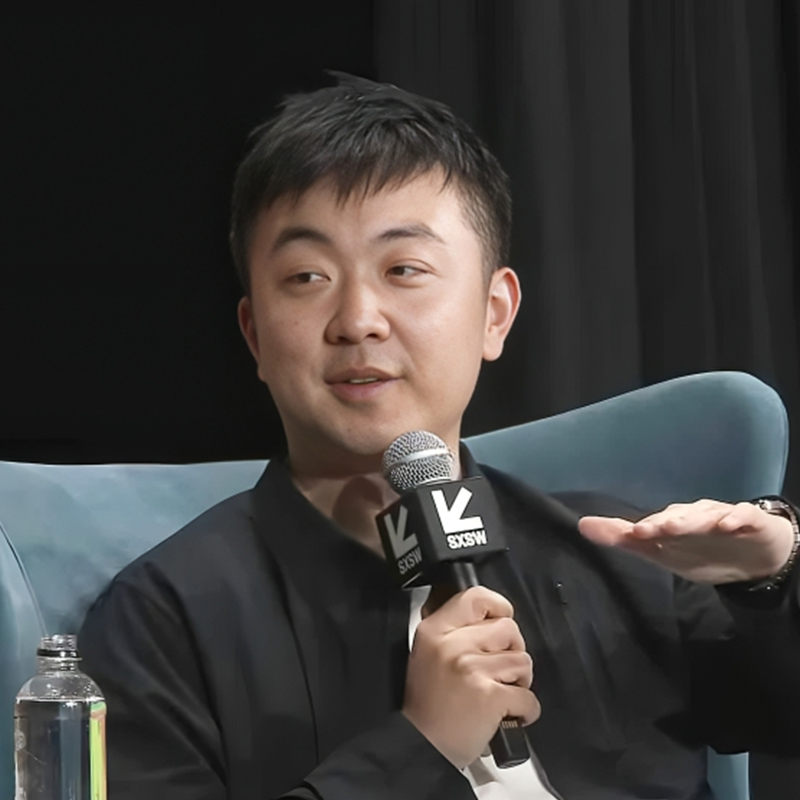
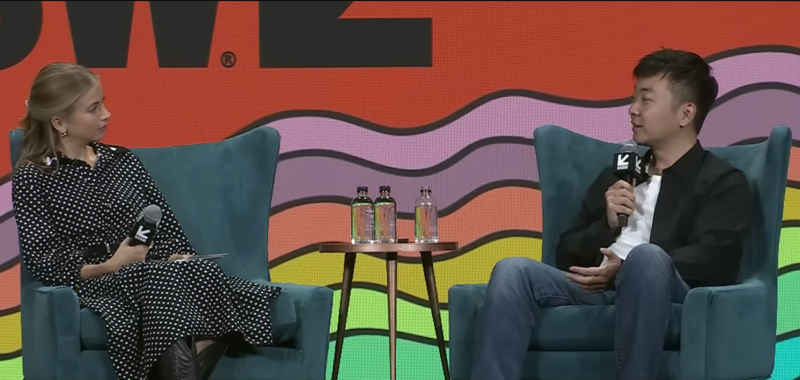
Speaking to Nicole Cobbler at SXSW, he insisted that it's more about a post-app economy where the user interface becomes secondary to intent.
"So if you're a founder startup and your app is like your core where the core value lies, that will be disrupted whether you like it or not. If you have a very strong brand and very strong distribution, you could delay it by a little bit. But otherwise, I would advise everybody to think differently."
According to Pei. the next frontier isn't about better apps.
Born in 1989 in Beijing, Pei envisions a radical shift in the smartphone industry: one that breaks free from the "boring" cycle of incremental updates and redefines the role of the device itself.
In his view, smartphones should evolve from simple app launchers into intent-driven systems powered by AI agents. Instead of users navigating through layers of apps, these agents would understand goals and execute tasks seamlessly on their behalf.
Pei argues that the industry has grown stagnant, with each new generation offering predictable upgrades. For example, makers are racing towards making slightly better cameras, brighter screens, and marginal performance gains. To him, this pattern has drained the sense of excitement that once defined consumer technology.
He believes AI has the potential to reignite that spark.
At the center of this vision are AI agents designed to understand long-term user intent.
"I think you know the future of smartphones or operating systems should just be."
"I know you very well and if I know your intention I just I just do it for you instead of having to go through all the apps manually."
With AI agents, this is changing.
Rather than reacting to individual commands, these agents anticipate needs. Whether it's maintaining a healthier lifestyle or coordinating complex travel plans, and execute tasks seamlessly across multiple services.
This represents a fundamental shift: from interaction to delegation.
Instead of navigating apps, users rely on systems that act on their behalf. Software fades into the background, giving rise to a more ambient computing experience delivered through voice, wearables, and context-aware interfaces.
"The future is is not the agent using a human interface."
"You need to create a interface for the agent to use. I think that's the more futurep proof way of doing it."
However, this future faces significant structural barriers.
Today's mobile ecosystem is a $200 billion economy built on app stores, platform control, and ecosystem lock-in. These "walled gardens" make it difficult for AI agents to operate freely across services.
For an agent-driven future to succeed, interoperability is essential. Platforms must allow AI systems to communicate directly with their services, through APIs or new protocols, rather than forcing them to mimic human interaction.
As Pei points out, an AI that clicks buttons and types into apps like a human is not the future. The real shift will come when systems are designed specifically for machine-to-machine interaction.
Looking forward, the relationship between humans and their devices is poised for a fundamental reset.
The world is now entering a "renaissance" for hardware and software design where the goal is to reclaim our "humanity" from the cycle of doom-scrolling and digital friction. The ultimate aim of this quiet revolution is a proactive intelligence that knows users well enough to suggest what they need before they even ask, turning their most intimate devices into true partners in creativity rather than mere tools for consumption.














































































































































































































































































