The world is changing fast. But the technology that grows within it, changes even faster. And whatever AI touches, a speedy development is expected to happen.
Since OpenAI introduced ChatGPT, pretty much all tech companies of all sizes, are getting themselves involved in an arms race, where they either partner with each other, or rival one another in this lucrative generative AI industry.
And Andrej Karpathy has seen many things.
But what the computer scientist who is also the co-founder of OpenAI see here, is quite an anomaly.
The trend is shifting fast, that even for him, who has been in the AI industry for some 15 years, the change is "not normal."
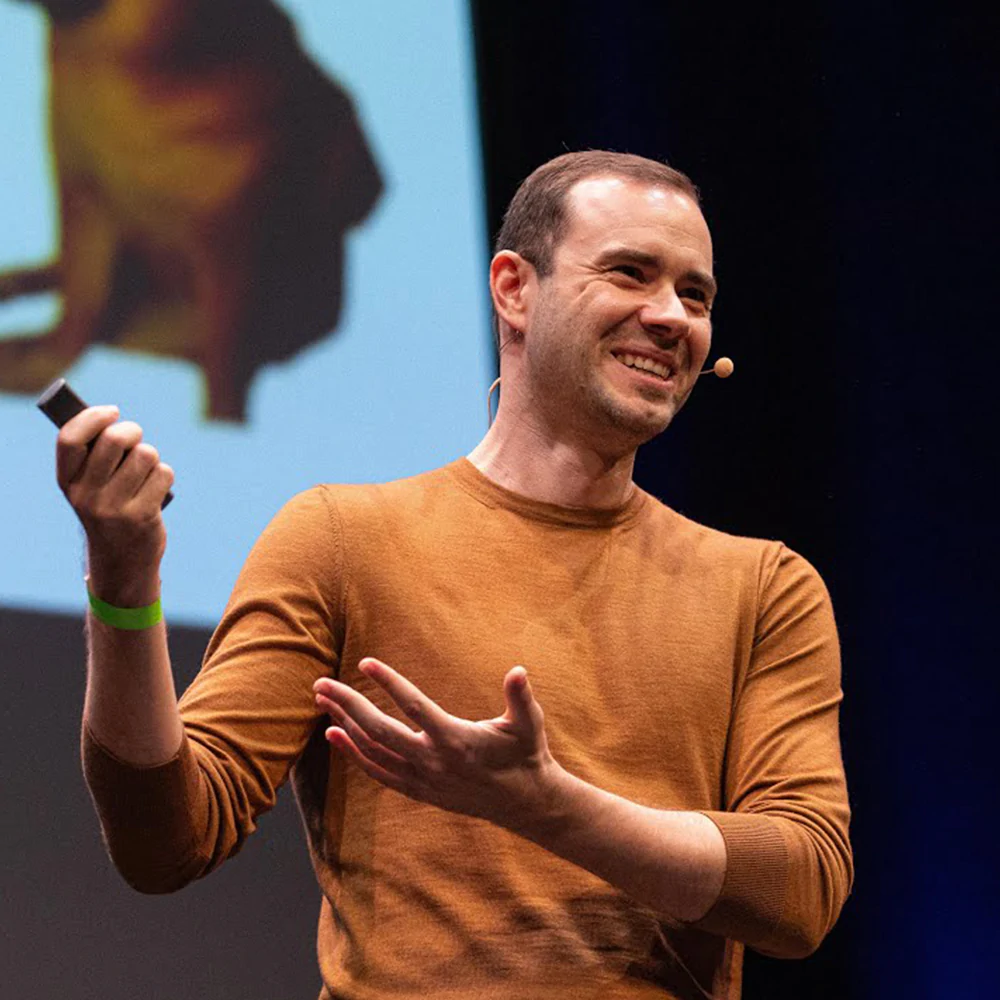
Back in his early days, Karpathy said that working on AI projects was like sitting around with a few hundred of other academics in a workshop of a conference, talking together about some esoteric details.
Works included training neural networks with tiny digits from MNIST, which is a large database of handwritten digits that is commonly used for training various image processing systems.
Training the AI and work to make sure that the network is trained correctly.
According to Karpathy , it was "a different vibe back then."
But in the world that is now occupied by generative AI tools, these things don't make sense anymore.
"This is a very unique point in time [...] and this is not normal. It's super interesting, it's super unique, there's a ton happening now."
This time, AI is one of the things that makes Nvidia one of the most valuable companies in the world. And AI is also changing the nature of computation.
During the UC Berkeley AI Hackathon 2024 Awards Ceremony, Karpathy said that:
"I kind of almost feel like it's 1980s of computing all over again.
Instead of having a central processing unit (CPU) that works on instructions over bytes we have these Large Language Models (LLMs) which are kind of like the central processing unit working on tokens which are little string pieces."
" [...] then in addition to that, we have a contact window of tokens instead of a RAM of bytes."
And just like OpenAI CEO and fellow co-founder, Sam Altman, Karpathy also puts a keen interest in the film Her, which he said inspired him.
Here, he believes that the future of AI future would be just like in the movie.
"Soon, many AIs might work together, doing tasks and solving problems in the digital world and maybe even in the real world"
He also mentioned another of his favorite movie, called I Robot, where robots walk and interact with humans in the physical world.
Explaining how people can talk to AI, and have it respond back in a way that feels so natural and human, Karpathy referred to generative AI as the "orchestrator."
But instead of having one single entity that is super-smart and super-capable, AI of the future would be a lot of AIs.
And this is where Karpathy encouraged the audience to "go from hacking to actually changing the world and building this future whatever that may be for."
Read: Artificial General Intelligence, And How Necessary Controls Can Help Us Prepare For Their Arrival

















































































































































































































































































