'DeepSeek-V3.1' Released Quietly, Challenging GPT-5, Grok-4, Claude 4, With An Open-Source Smirk

Once upon a not-so-distant past, AI was nothing more than just a word popularized by science-fiction, foretold by researchers.

Once upon a not-so-distant past, AI was nothing more than just a word popularized by science-fiction, foretold by researchers.
Large language models have become the hype of tech, and things are getting kind of intertwined.

Imagine a browser that doesn't merely display information, but acts on users' behalf.

When it comes to business in tech, speed isn’t just an advantage. Speed is survival.
Large language models are supposed to be tools, described as clever machines that predict the next word, generate text, and answer questions.

The rapid ascent of large language models (LLMs) is unstoppable the more it astonishes with what the technology can do.
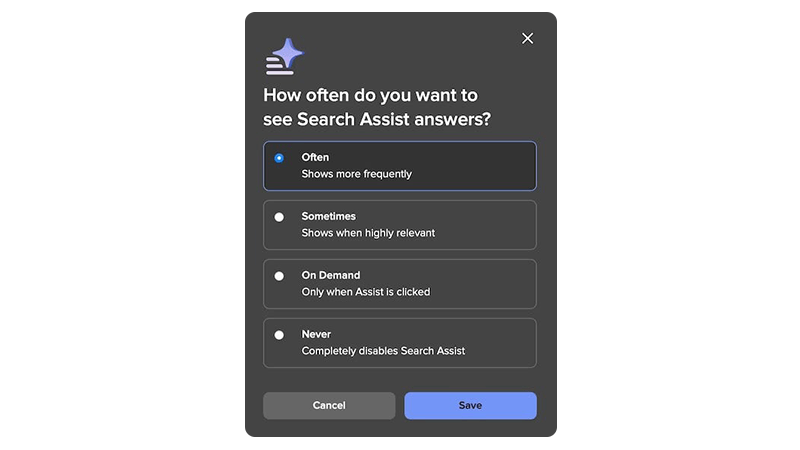
In the unfolding saga of AI-powered search, Google remains dominant. Untouched. Undisturbed. Unforgiving.

Mozilla has been a quiet yet persistent force in the technology world for more than two decades.
The momentum behind AI has picked up so much speed that it’s becoming nearly unstoppable.

Large language models (LLMs) are useful because they can quickly process and generate human-like text based on vast amounts of knowledge, making them versatile tools.