'Grok 4,' And How Elon Musk Created An AI In His Own Image

The rapid rise of LLMs stems not just from tech potential or demand, but from the egos of their creators.

The rapid rise of LLMs stems not just from tech potential or demand, but from the egos of their creators.

In the arena of web browsers—dominated by giants like Google Chrome, Microsoft Edge, and Mozilla Firefox—Opera quietly holds its ground as the perennial underdog.

In the ever-evolving world of web browsing, speed and responsiveness are king. And if people thought Microsoft Edge was already fast, think again.

People saw it coming, the inevitable of Google.
In today’s hyper-connected world, politicians, activists, lawyers, and journalists face relentless scrutiny.
Large language models (LLMs) begin with a revolution in neural network architecture—led by the 2017 paper, which forever changed how machines understand language.
Once upon a time, coding was a privilege reserved mostly for the tech-savvy. Now, not anymore.
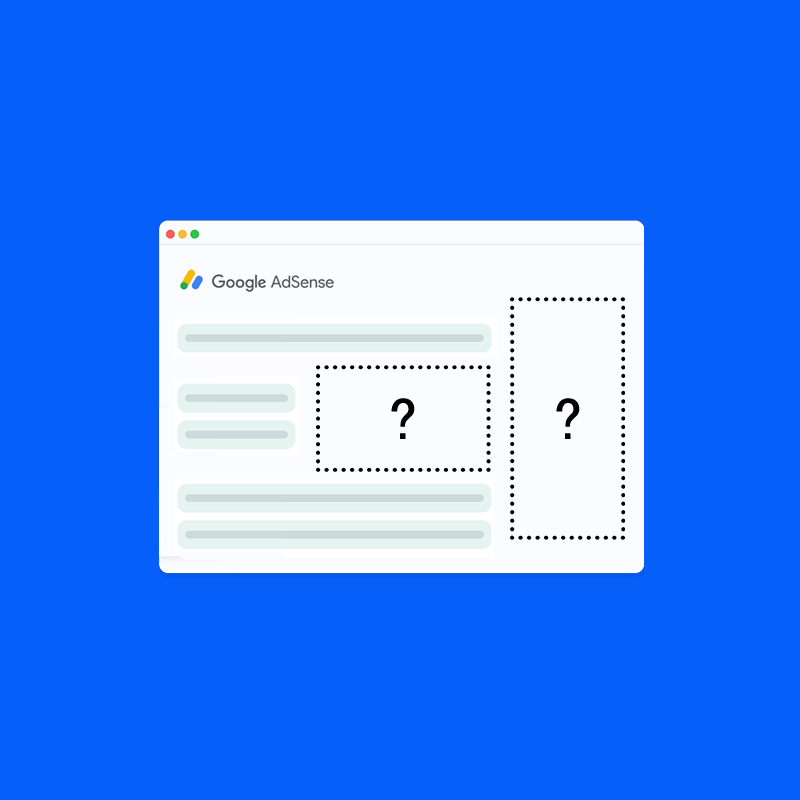
When people think of Google’s business empire, their minds jump to search engines, Android, YouTube, or perhaps AI.

Computers were built to follow orders—executing tasks with unwavering logic and precision.
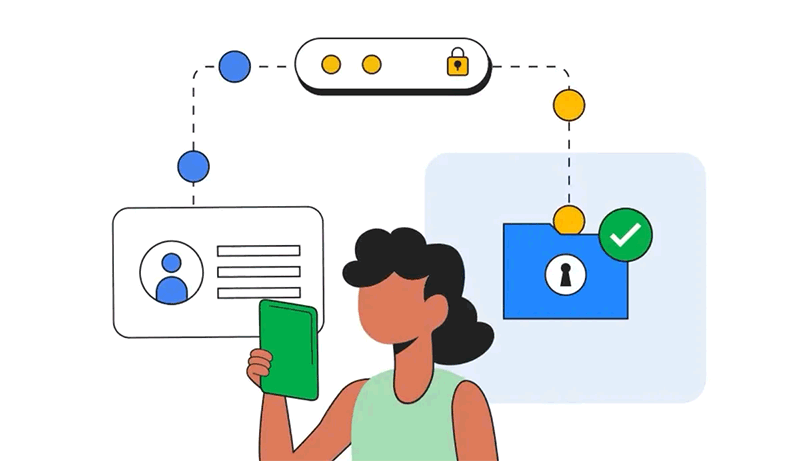
The internet was once a wild frontier—open, anonymous, and largely unregulated.