People checking on a dating app to see how far they are from a potential love interest is nothing new.
What's new, is how an increasing number of people are using a dating app to actually network with others.
According to Grindr, a location-based social networking and online dating app targeted towards gay, bisexual and transgender people, many of its users are actually using the app not for hookups or sex.
As explained by a spokesperson for the company:

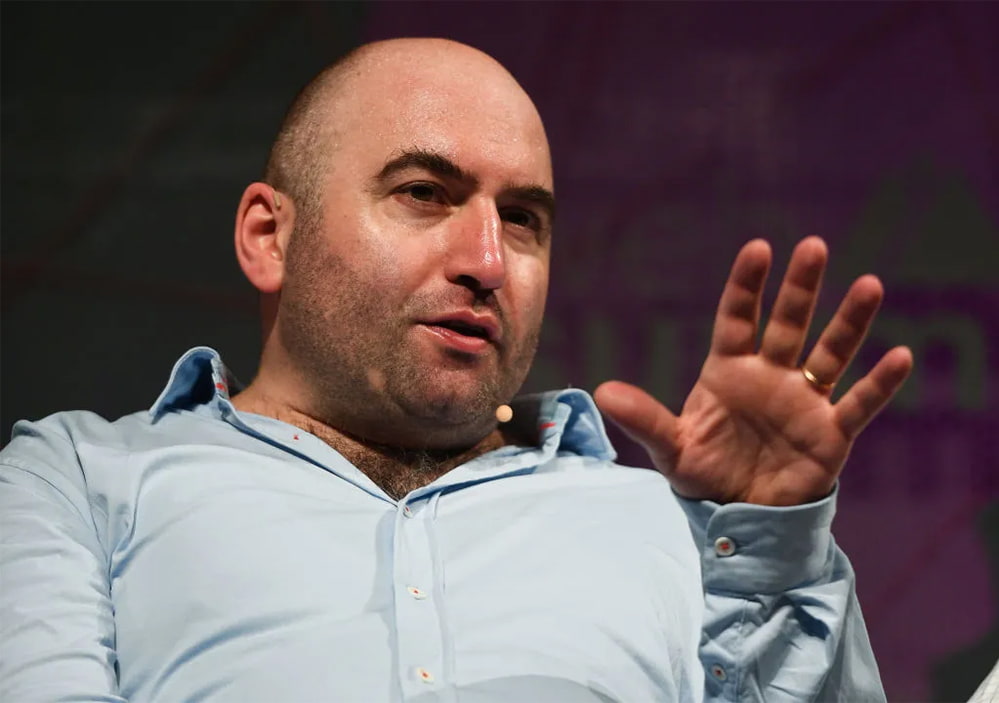
Even its CEO, George Arison told The Wall Street Journal that he has "personally hired or had a professional relationship with several people" he has met over the years through the app.
"We encourage people to network on Grindr," he added.
Grindr was once dubbed "the world’s biggest, scariest gay bar", and has since serve the wider LGBTQ+ community. But with the shifting trend, Grindr is slowly becoming an alternative to the likes of LinkedIn, the social network for professionals and businesses.
Although Grindr is indeed dwarfed in size of LinkedIn, which has 930 million members and counting, Grindr is the biggest social network for lesbian, gay, bisexual, trans, and queer people.
With 13 million monthly active users in virtually every country in the world, 3 million people are using the app for work related things.
This number is still huge, and is growing.
What's worth noting here, the company never wanted to be this way. It's the users themselves who found a way to actually use the location-based app to connect professionally.
A Grindr spokesperson said that becoming a place for networking is not an area the company wants to expand to.
"As users are already using the app in myriad ways, the features we look to build will likely support activities that are already happening on the app," the spokesperson said, adding that more than half of users are looking for relationships, and that "over 60% simply want to chat."
In other words, users have discovered that there’s more to the app than sex, as they can use it to connect over all sorts of things, including job opportunities.
Although Grindr’s CEO is indeed pitching the platform as a place for poaching staff, its interface is still primarily centered around hooking up with the users still able to indicate whether their photos are NSFW (not safe for work) and if they’re a "top" or a "bottom" in the bedroom.
What should be noted here is that, research suggests the uptick in users using dating apps to connect professionally is more common in men. Women are not fond in using dating apps because in many times, they tend to receive unwanted advances.
In fact, over 90% of women said they have received at least one inappropriate message or romantic advance on the app, according to Passport Photo Online, which surveyed over 1,000 women in the U.S. who regularly log in into LinkedIn.
Some of those people who use and benefit from using Grindr to connect, shared that they cannot believe it either, saying that it's a "surreal" experience.
While Grindr is experiencing something unique, other dating apps don't take so kindly to the prospect of mixing business with pleasure.
Popular dating app Tinder, for example, has community guidelines which advise users to "make personal connections, not biz ones." The company has also began removing social media handles from users' bios to stop them from using the app to sell things or grow their following.
Hinge, another dating app, also said that its service is meant for making "meaningful connections," and that users should "represent themselves authentically."
Other dating app, Bumble, is less strict about this, and has in fact developed features that are specifically for career networking, where "professionals can connect with each other, share and learn."
On the flip side, LinkedIn users are turning the networking app into a dating site
This suggests a blurring line between business and pleasure, when it comes to social media and dating apps.














































































































































































































































































