Rather Than Sheer Performance, Intel 'Ice Lake' Focuses On AI Applications

The wait for Intel's 10-nanometer chips is over, but people should not expect any huge performance gains from the 'Ice Lake' processors.

The wait for Intel's 10-nanometer chips is over, but people should not expect any huge performance gains from the 'Ice Lake' processors.
With the advancing technology, computer hardware has become smaller and more powerful. But to pursuit low-latency, things should go beyond that.
Websites on the internet gather information from browsers visitors use, with many of them creating a "fingerprint" to track users.
Creating something unique that none others have, can be an advantage. But in cases, it can also be trouble.
Developers aren't born rich, and many of them are working for a living.
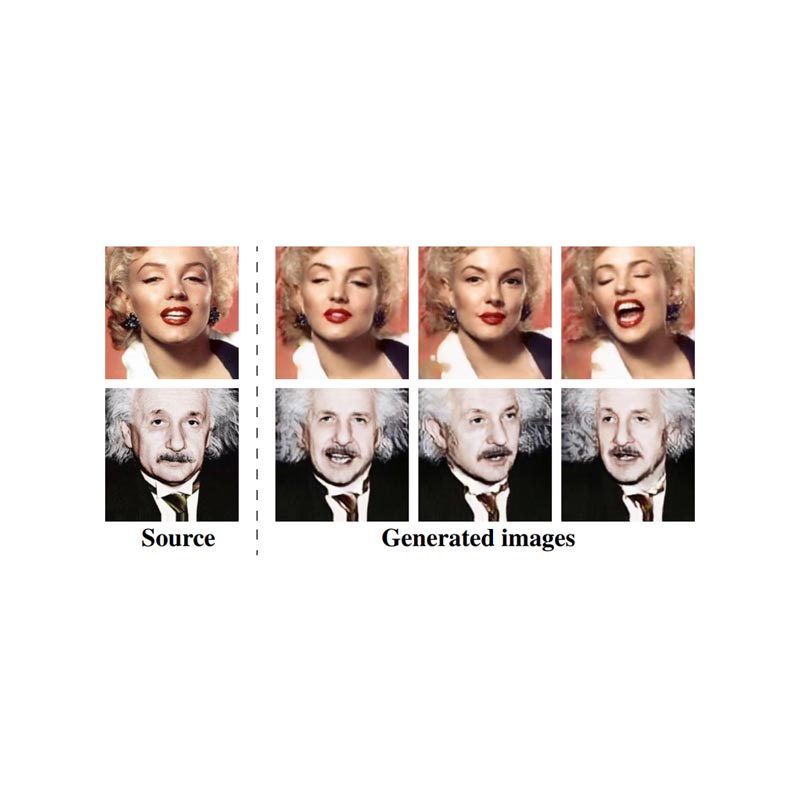
Artificial Intelligence (AI) can be trained to be specific. But it seems that somehow the technology has excelled in one particular part. And that is creating fakery.
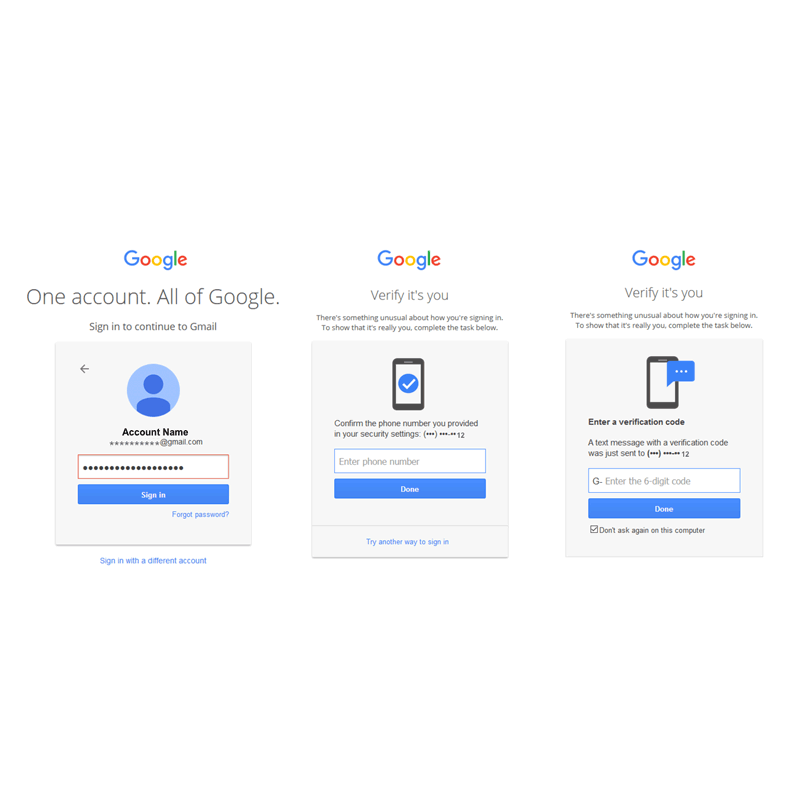
The process of signing in has never been easier.
AI chatbots are used in many places. From messaging apps, to individual organizations' apps and websites' chat boxes.
Users that want some privacy when surfing the web, can use the Incognito mode or private mode on modern browsers.
Digital assistants have came a long way, before arriving to mobile devices, smart home appliances and car infotainment systems.