After collaborating with the Decentralized Identity Foundation (DIF), Microsoft revealed its plan to utilize blockchain technology to solve the challenges in managing identities and personal data, including privacy and security.
The technology giant said that blockchain-based technology that underpins Bitcoin and Ethereum cryptocurrency, can be used as the foundation for storing and processing digital identity data. Here it aims in creating decentralized IDs (DIDs) through the Microsoft Authenticator app.
“We believe it is essential for individuals to own and control all elements of their digital identity,” the company said in a blog post.
"Rather than grant broad consent to countless apps and services, and have their identity data spread across numerous providers, individuals need a secure, encrypted digital hub where they can store their identity data and easily control access to it."
This is unlike traditional forms of authentication. Using blockchain, Microsoft wants to create a decentralized identity system that is not controlled by any single, or centralized institution, such as a government or tech company.
The advantages include: removing the possibility of censorship and give people full control over their identity and reputation.
While there are various of types of decentralized identity systems, Microsoft chooses blockchain because it enables privacy, self-ownership, and permission-less access.
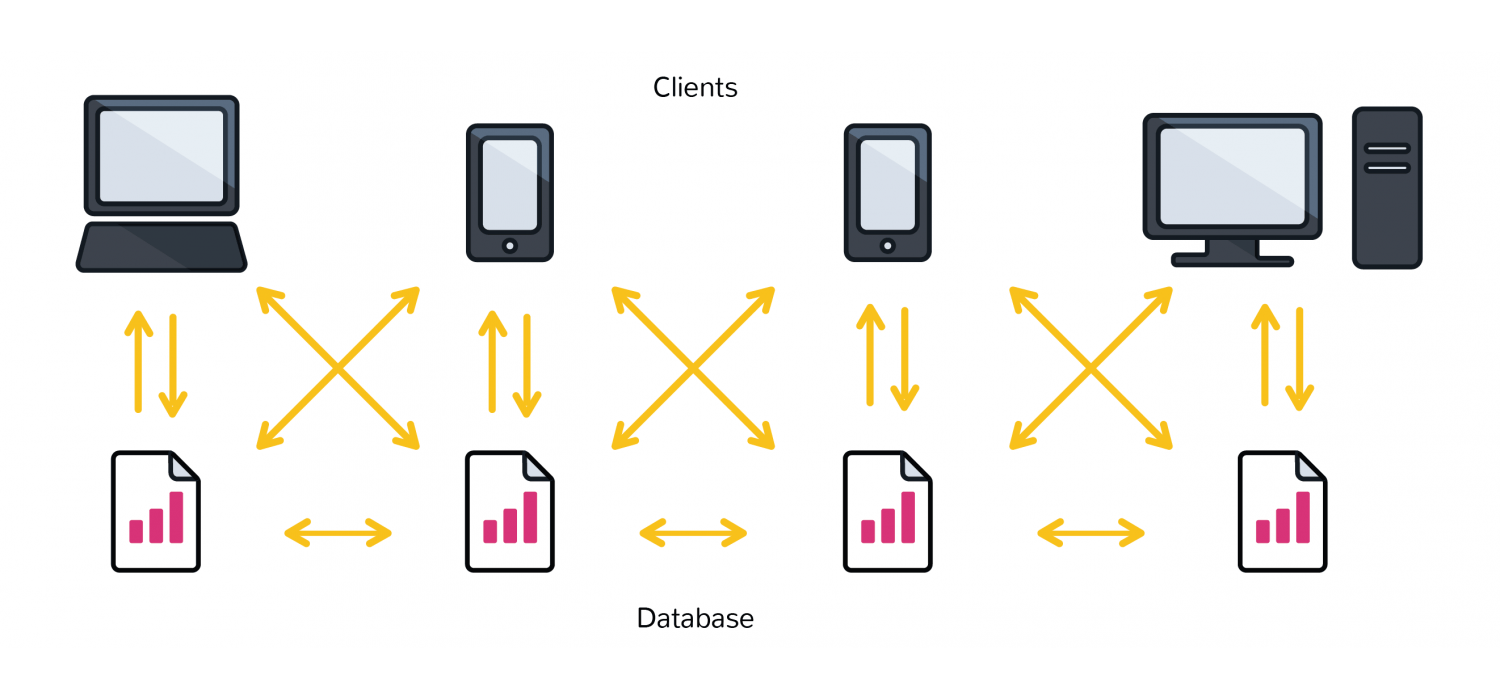
The technology is akin to the Lightning Network, which allows the processes of massive volumes of IDs without congesting the blockchain network. Here, the company proposed several innovations:
- Decentralized Identifiers (DIDs): A W3C spec that defines a common document format for describing the state of a Decentralized Identifier.
- Identity Hubs: An encrypted identity datastore that features message/intent relay, attestation handling, and identity-specific compute endpoints.
- Universal DID Resolver: A server that resolves DIDs across blockchains.
- Verifiable Credentials: A W3C spec that defines a document format for encoding DID-based attestations.
According to Microsoft, these solutions "can enable developers to gain access to a more precise set of attestations, while reducing legal and compliance risks (such as, GDPR, KYC/AML) by processing such information instead of controlling it on behalf of the user."
Blockchain applications, like in cryptocurrencies, still lag behind standard centralized alternatives - especially when it comes to matters of speed, convenience and network stability. To overcome this issue, Microsoft is collaborating on decentralized Layer 2 protocols that "run atop these public blockchains to achieve global scale, while preserving the attributes of a world-class DID system."
To make this possible, Microsoft said that it can't accomplish this alone. "We are counting on the support and input of our alliance partners, members of the Decentralized Identity Foundation, and the diverse Microsoft ecosystem of designers, policy makers, business partners, hardware and software builders."