South Korea has long been plagued by hidden cameras, which are tiny, easily concealed devices tucked into both public spaces and private corners of people's lives.
They are tucked, hidden inside subway station walls, office ceilings, inside public transports, and all the way to inside hotel and motel rooms, dressing rooms, and also bathrooms. For years, the country has battled a relentless wave of clandestine filming, known locally as "molka," that has left citizens hyper-vigilant and wary of places that should feel safe.
Public distrust runs so deep that it is common for people to inspect mirrors, air purifiers, fire alarms, and even electrical outlets for signs of tampering whenever they enter a new room.
This longstanding anxiety has shaped a culture in which privacy is never taken for granted, and where the line between security technology and surveillance has grown increasingly blurred.
That fear intensified again with the arrest of four individuals who allegedly hacked more than 120,000 internet-connected security cameras across South Korea.
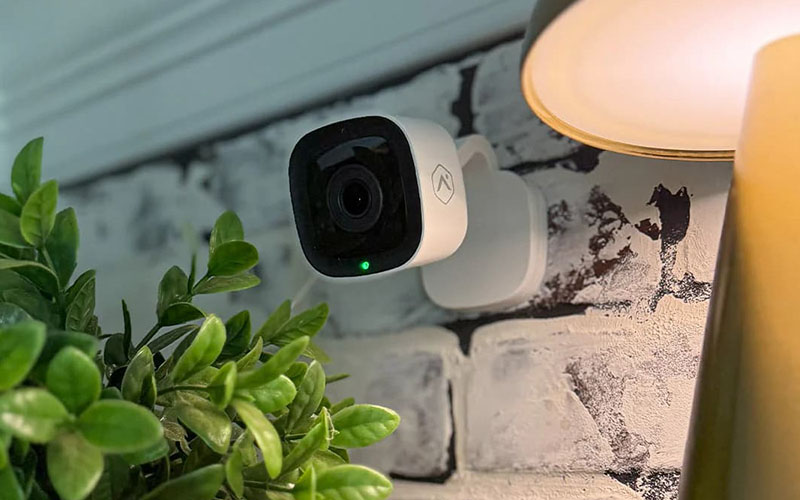
The cameras that are used, are often marketed as convenient, affordable IP devices. They are usually purchased by the users themselves to be installed in their homes to keep an eye on babies, pets, elderly family members, or simply for security. They are also used in small businesses, medical offices, saunas, Pilates studios, karaoke rooms, and other spaces meant to be safe and private.
IP cameras are widely used for many private areas since they are often cheaper than regular CCTVs, and that they can connect easily to home network.
However, due their availability and smaller size, there are people who are buying these cameras for malicious purposes.
As many of these cameras are small and in fact, a lot of them are built purposefully for voyeurism, a lot of people are acquiring these tiny devices as a method of exploitation.
According to the National Police Agency, the four suspects acted completely independently, not as part of a coordinated group.
Yet their methods were strikingly similar: they took advantage of weak passwords, factory-default credentials, and other basic security gaps.
For tens of thousands of devices, the only "hack" needed was guessing a password made of repeated digits or sequential numbers.
Once inside, they could freely control the camera’s live feed, recordings, and sometimes even its movement.

Two of the suspects were responsible for the overwhelming majority of the intrusions.
The first, accused of compromising roughly 63,000 cameras, allegedly produced and sold 545 sexually exploitative videos. The second is believed to have hacked about 70,000 cameras, from which he created and sold 648 videos. Much of this footage came from cameras installed in intimate and deeply private settings, including gynecology clinics, Pilates studios, karaoke rooms, and personal homes, or places where people would never imagine being watched, let alone recorded.
Both suspects sold their material through an overseas platform referred to only as “Site C," a website not based in South Korea.
Authorities are now working with international law enforcement to identify the operator of the site and either shut it down entirely or block access to it within the country.
In terms of profit, the first suspect reportedly earned about 35 million won (around $23,000), while the second made approximately 18 million won (about $12,000) in virtual assets through these illegal sales.
A third suspect was found to have stored sexually exploitative content involving children, though he did not appear to have sold any of it. The fourth suspect, involved in only a small number of breaches, was released after questioning.
According to Kim Young-woon, head of the National Police Agency’s Cyber Terror Investigation Unit, the three suspects who remain in custody now face additional charges related to the creation and distribution of sexually explicit material.
Police have also arrested three individuals accused of purchasing or viewing the illicit videos, underscoring that demand-side participation in digital sex crimes will be prosecuted just as aggressively as the hacking itself.

Authorities say the scale of the crime is unprecedented.
Victims have been notified at 58 locations so far, but the true number is likely far higher. Police teams have been visiting homes and businesses in person to explain the breach, assist with password changes, and help victims track and remove any leaked footage. Investigators are now working with foreign agencies to shut down the illegal website distributing the videos and to identify its operator.
The incident has reignited national debate around privacy and technology.
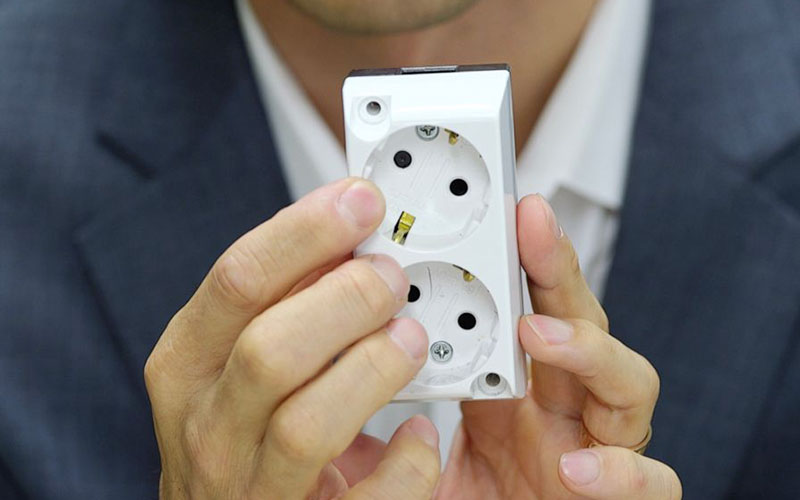
South Koreans were already wary of hidden cameras embedded in everyday objects, like wall hooks, fire alarms, power outlets, even pen caps.
But unlike traditional “molka,” which requires someone to physically plant a device, IP camera hacking can be done remotely, anonymously, and at massive scale.
A single individual, working from home, can violate the privacy of thousands of strangers in minutes.
"IP camera hacking and illegal filming inflict immense suffering on victims and are therefore serious offences," said a cyber investigation chief at the National Police Agency.

In South Korea, the cultural backdrop makes the situation particularly sensitive.
The prevalence of spycam crimes, combined with a long history of online harassment and non-consensual image sharing, means public trust is already low. Many women, in particular, live with the constant concern that cameras may be hidden anywhere.
Now, even cameras they voluntarily installed, which are meant to safeguard their loved ones, have become potential threats.
These kind of voyeurism is plaguing South Korea, but isn't at all unique to the country.
Read: How 'Molka' Voyeurism Through Spy Cameras Has Become 'A Part Of Daily Life' In South Korea
Lots of IP camera hacks have been documented worldwide. In the U.S., a major camera company was fined millions after hackers accessed cameras in hospitals, children’s rooms, and prison cells. Cybercrime cases elsewhere echo this trend, including in Europe, many parts of Asia and Australia.
While many of these hidden devices are purposefully placed or hacked for sexploitation, others are used to spy on personal information, like to record people inputting their login credentials, for example.
These incidents show how consumer technology, like Wi-Fi routers, home cameras, encrypted apps, has become a new battleground for crime.
For now, South Korea finds itself in a troubling paradox: the technologies designed to increase safety are becoming tools for violation. As police continue their investigation and victims grapple with the shock of such an intimate breach, the country faces a broader question about how to balance convenience, surveillance, and personal privacy in a hyper-connected world.

















































































































































































































































































