What looks edible doesn’t always mean it is.
Emma Amit, a 51-year-old Filipino food vlogger and content creator, was a beloved figure in the Philippine online space, particularly among those who followed rural and family-oriented food content.
With around 200,000 followers, she built her popularity by sharing authentic glimpses of coastal life. She often featured fishing trips alongside her husband, catching fresh seafood and preparing hearty meals for their children. Her videos celebrated simple, home-cooked Filipino dishes, drawing viewers in with her warm personality, enthusiasm for local ingredients, and relatable family moments.
This down-to-earth approach made her relatable and popular, turning everyday foraging and cooking into engaging, viral content that resonated widely in the Philippines and beyond.
And on February 4th, her death sent shockwaves through social media communities.

One day, she created a video, like she always would.
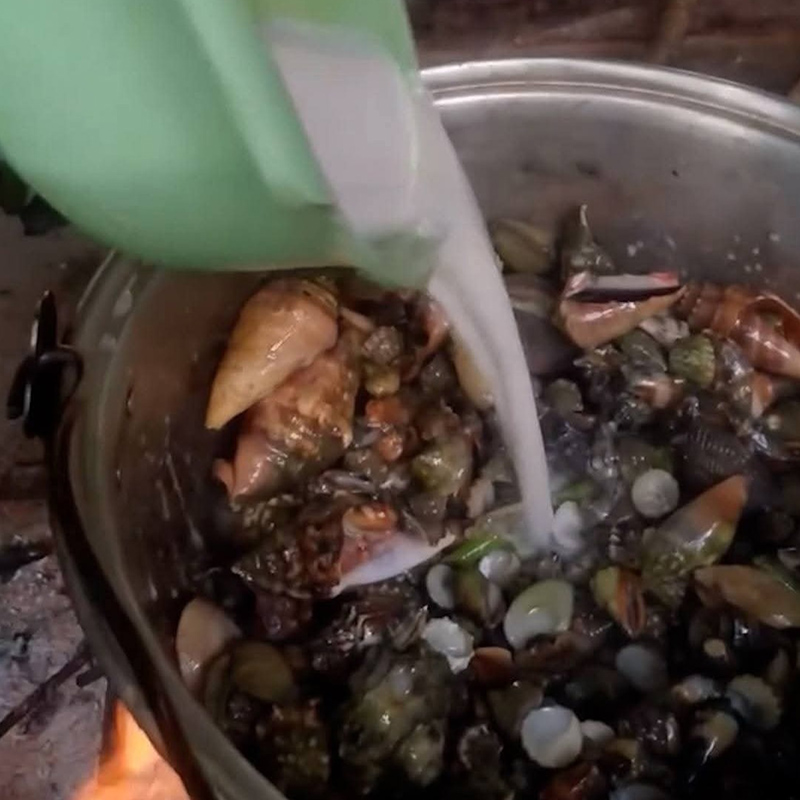
In it, she was with her friends, foraging in a mangrove forest near her home in Puerto Princesa, Palawan, Philippines. In the clip, she gathered snails, shellfish, and several crabs, including one later identified as the highly toxic Zosimus aeneus, commonly known locally as the "devil crab."
She cooked the catch by simmering them in coconut milk, to create what the locals call ginataang. She then tasted it with a smile, and continued eating, apparently unaware of the danger.
The video, which has since been removed or made unavailable, captured what would tragically become her final content creation.
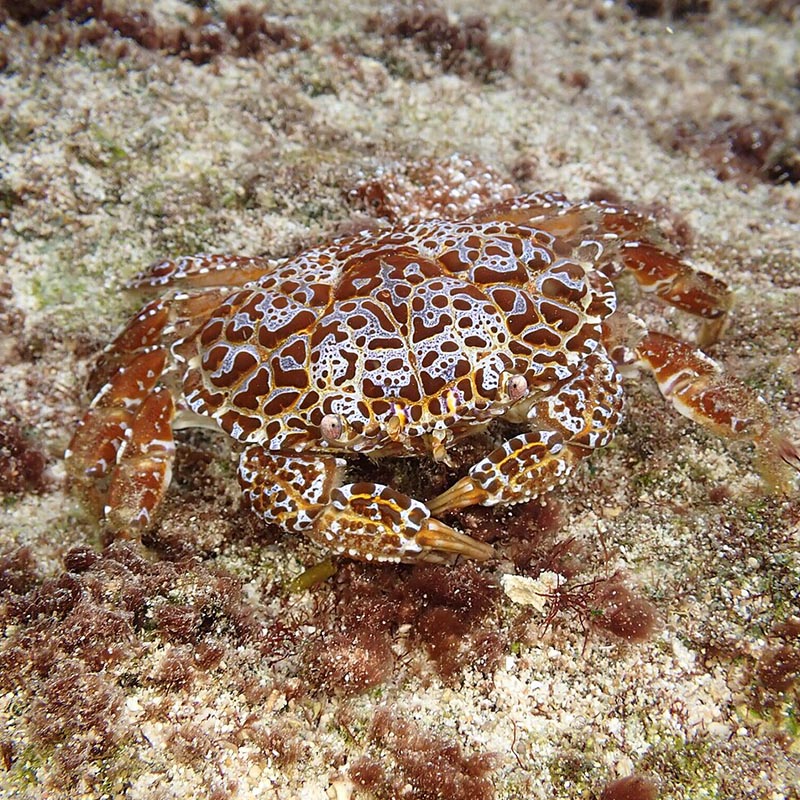
The so-called devil crab consumed by Amit is among the most poisonous reef crabs found in Philippine waters.
Also known as the toxic reef crab or devil reef crab, this species inhabits coral reefs across the Indo-Pacific region, ranging from East Africa to Hawaii. It typically grows to about 60 mm × 90 mm and is easily recognizable by its striking appearance: red or brown patches on a pale brown or cream background covering its carapace, claws, and legs.
The carapace is deeply grooved, and the walking legs feature prominent crests.
While subtle to the untrained eye, these vivid color patterns are a classic warning sign in nature: an indication of danger to predators and humans alike.
Devil crabs are commonly found on reef flats and in the intertidal zone, making them relatively abundant and easy to catch. This accessibility has, in many cases, led to tragic consequences.
In this incident, that ease of capture proved fatal.

Devil crabs are lethal because their flesh and shell contain powerful neurotoxins, including tetrodotoxin (TTX), the same toxin responsible for pufferfish poisoning. The other neurotoxin is saxitoxin (STX), a well-known cause of paralytic shellfish poisoning (PSP).
Devil crabs accumulate these neurotoxins from their diet, often depending on age, location, and diet. These include, but are not limited to, toxic algae and other sources in coral and mangrove environments. Because of this, the toxicity levels in individual crabs fluctuate dramatically.
Measured using mouse units (MU), where 1 MU is the amount needed to kill a 20g mouse via intraperitoneal injection in about 15-20 minutes, highly toxic specimens can exceed 3000 MU/g in the whole body (or specific parts like appendages), a level considered lethal for humans when ingested orally. In contrast, less toxic or non-toxic individuals exist in the same populations, with some showing near-zero toxicity.
Reported averages in studies range from tens to thousands of MU/g, and extreme cases reach over 16,000 MU/g in appendages.
A dose of approximately 1-2 micrograms of saxitoxin per kilogram of body weight is considered lethal. This means that consuming a single highly toxic devil crab can be fatal to a healthy adult.
What makes it especially dangerous is that these toxins are heat-stable, meaning they are not destroyed by cooking.
Once ingested, these neurotoxins are rapidly absorbed through the gastrointestinal tract and interfere with sodium channels in nerve cell membranes, leading to paralysis, respiratory failure, and death.
Symptoms can begin quickly after ingestion, sometimes within minutes to hours.
The species Zosimus aeneus is regarded as the most poisonous crab in the Philippines, with studies indicating that up to 50% of recorded intoxication cases are fatal. Its toxic potency is so extreme that historical accounts from Pacific Island communities report individuals deliberately consuming these crabs to commit suicide.
In Amit's case, she reportedly lost consciousness shortly after eating the crab, with neighbors describing her convulsing as she was rushed to a local clinic and then a hospital.
Despite medical efforts, she succumbed to the poisoning. On February 4, news of her hospitalization began circulating, and she passed away on February 6, 2026, or just two days after the fateful meal.
Reports from Philippine outlet ABS-CBN, cited widely in international coverage, confirm these details, with Barangay Chief Laddy Gemang providing statements on the incident. Tragically, a friend who also ate the crab reportedly died as well, underscoring how multiple people can be affected when toxic species are misidentified.
This heartbreaking event has prompted local authorities and health officials in the Philippines to issue warnings about consuming wild marine life without proper knowledge or identification.
The "devil crab" is well-known in many coastal communities as dangerous, yet mistakes can happen, especially when crabs are collected casually for meals.
Amit's story highlights the double-edged nature of social media content creation: the drive for engaging, authentic videos can sometimes lead to overlooked risks in pursuit of something new or exciting.
Her family, friends, and followers have been left grieving a vibrant personality who brought joy through her love of food and family. As investigations and discussions continue, her main social media accounts have been disabled. Her death stands as a somber lesson in caution, respect for nature's hidden dangers, and the importance of verifying what is safe to eat, especially when sharing it with the world.
Her passing served as a stark reminder of the perils lurking in seemingly innocent foraging adventures.