The arms race, where companies try to outpace one another, is where AI development is happening at a breakneck speed, with no player willing to fall behind.
The release of ChatGPT, which was a defining moment in modern technology and widely regarded as the spark of the large language model arms race, has made the world witness a steady unveiling of more powerful models, each introducing new interfaces between humans and machines and proving that AI can not only process information but also converse naturally, creatively, and convincingly.
In the months and years since, companies like Google, Anthropic, Meta, and many others have poured resources into building models with more parameters, longer context windows, faster reasoning, and safer behavior.
The result has been a constant leapfrogging of capabilities: one month it is better reasoning, the next it is multimodal inputs, then it is web connectivity or tool use. The pace has been relentless, a kind of technological arms race where the stakes are not just corporate profits but influence over how people everywhere will interact with digital intelligence.
Amid this tense competition, different players have sought to position themselves uniquely. Some emphasize scale, building the largest possible models; others emphasize alignment, safety, and guardrails. Others bet on multimodal integration, blending text, image, video, and sound.
It is within this crowded field that Kling has appeared, positioning itself not as just another creator of a text-based assistant but as a company exploring how AI can reshape identity, presence, and interaction in digital spaces.
And this time, it's launching 'Kling AI Avatar,' which is one of its most striking offerings.
Introducing Kling AI Avatar! Any Role, Any Voice!
Simply add your Avatar image and audio, and prompt the emotions and expressions to bring your Avatar to life!
Limited access only upon launch. Comment "Kling AI Avatar" & Repost to get early access! #klingai #klingavatar pic.twitter.com/bBRh6LFbF7— Kling AI (@Kling_ai) September 11, 2025
Kling has particularly put an interest that lies less in replacing search engines or productivity tools, but more into reimagining how humans represent themselves in virtual contexts.
Kling AI Avatar focuses on avatars and expressive AI characters, signaling that Kling believes that the future of AI is not only about knowledge retrieval or reasoning prowess, but also about emotional connection and embodiment of users in the digital world.
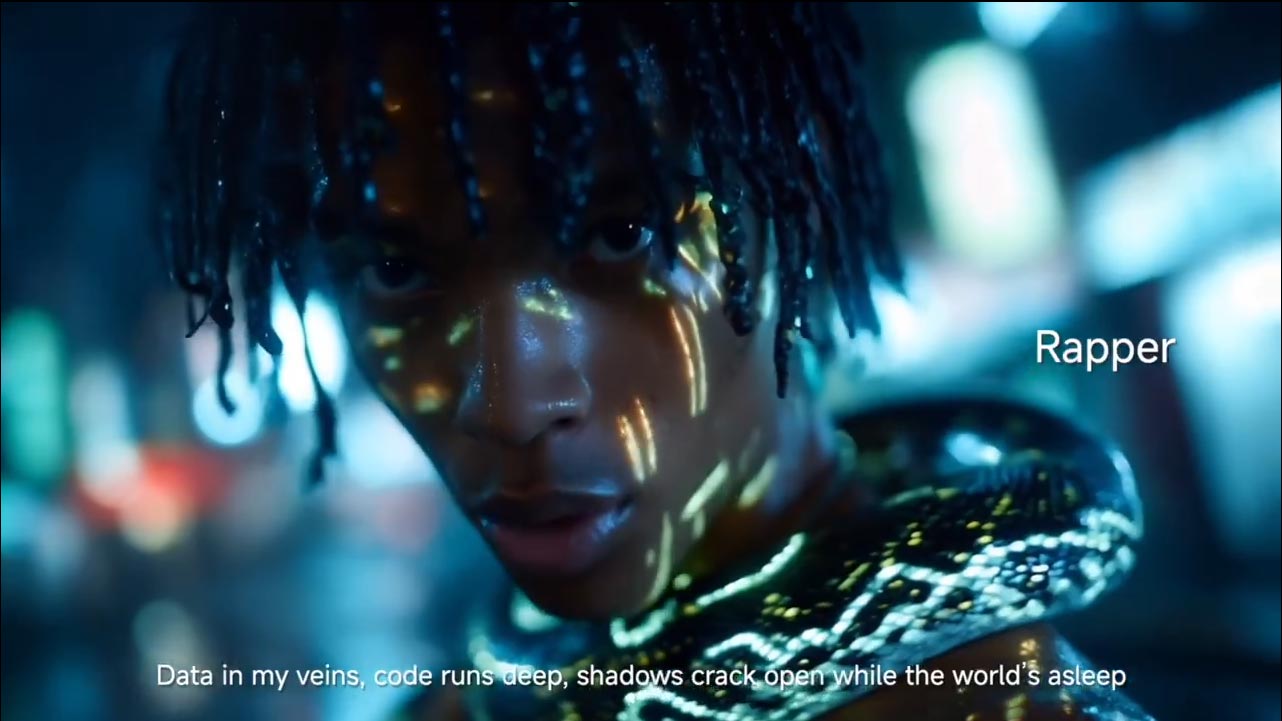
The concept of this Kling AI Avatar is straightforward: users can create avatars and bring them to life with AI-driven emotions, expressions, and dynamic behaviors.
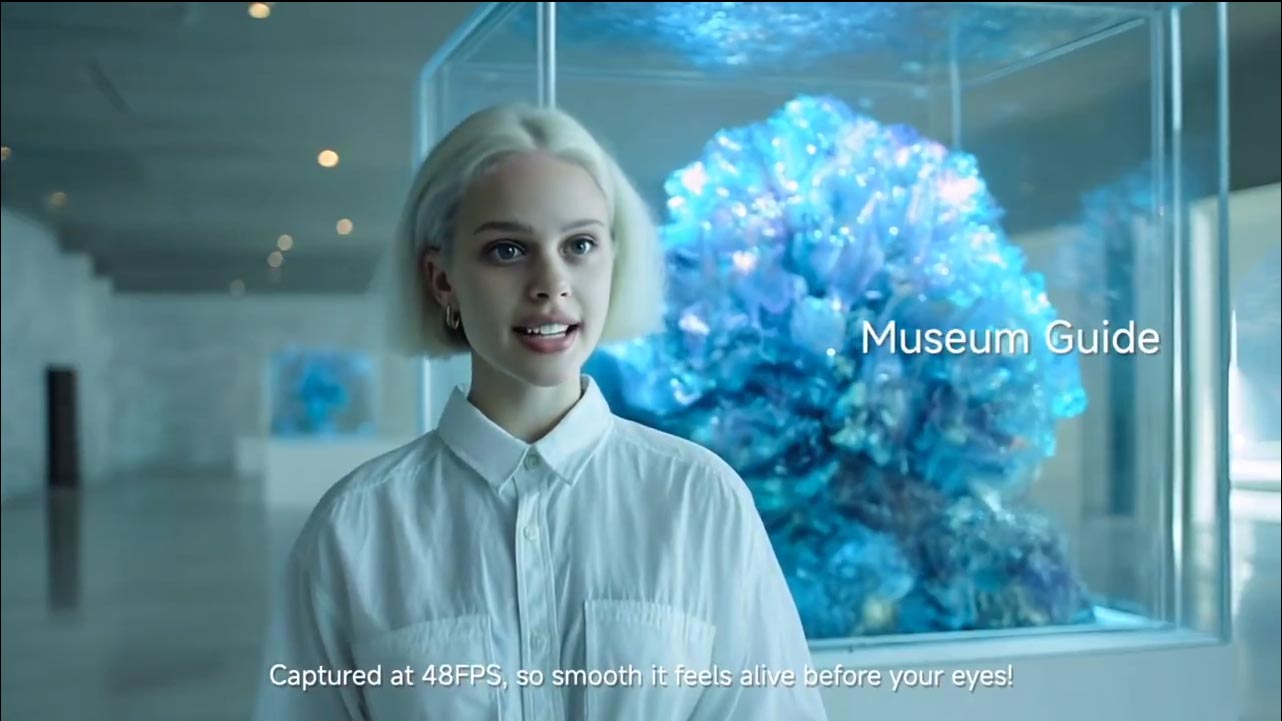
Instead of a static profile picture or a flat 3D model, Kling AI Avatar promises to generate characters that can smile, frown, show surprise, or convey subtle moods, all driven by the underlying AI.
It transforms what was once a rigid digital representation into something fluid, alive, and responsive.
By embedding AI into the very fabric of an avatar, Kling allows users to blur the line between static image and animated personality, opening the door to more immersive communication.
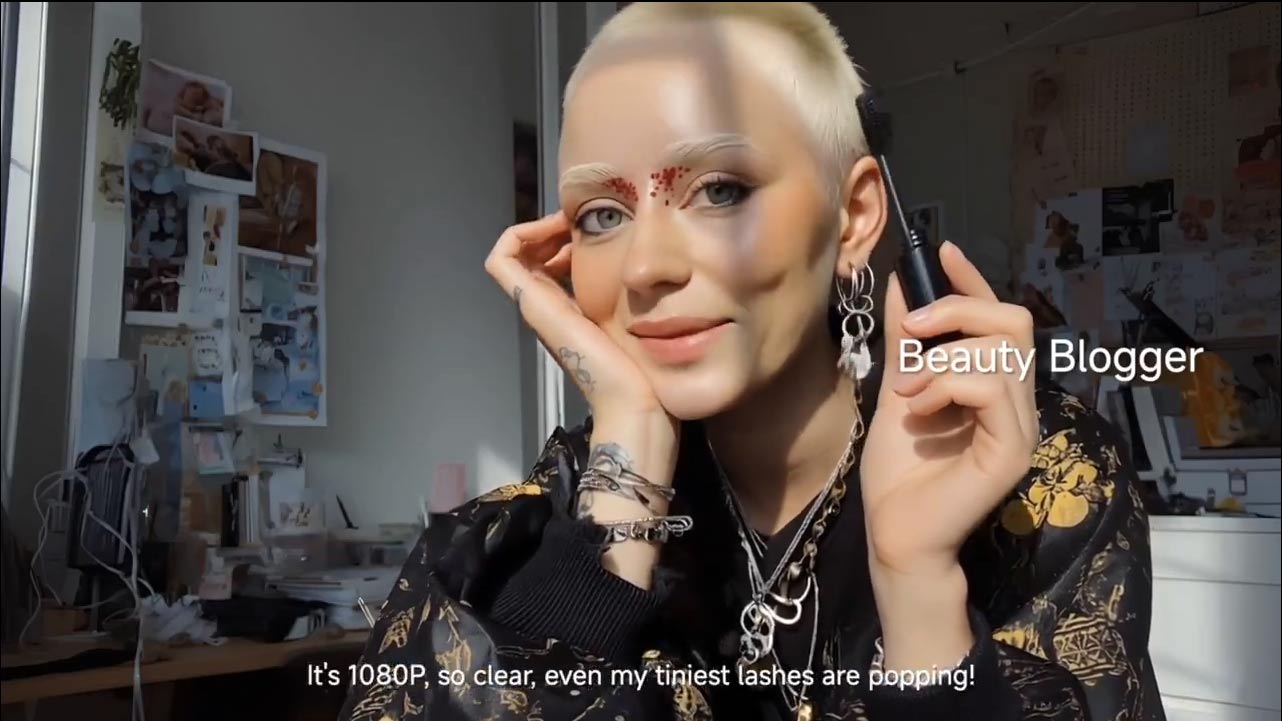
Results generated by Kling AI Avatar aren't perfect and have flaws. But even now, the implications of such tool can obviously extend far beyond novelty.
For creators, Kling AI Avatar offers the chance to design unique, emotionally expressive characters that can populate games, social platforms, or virtual worlds.

For brands, it presents a way to build digital spokespeople or mascots who can interact with audiences in ways previously confined to scripted animation.
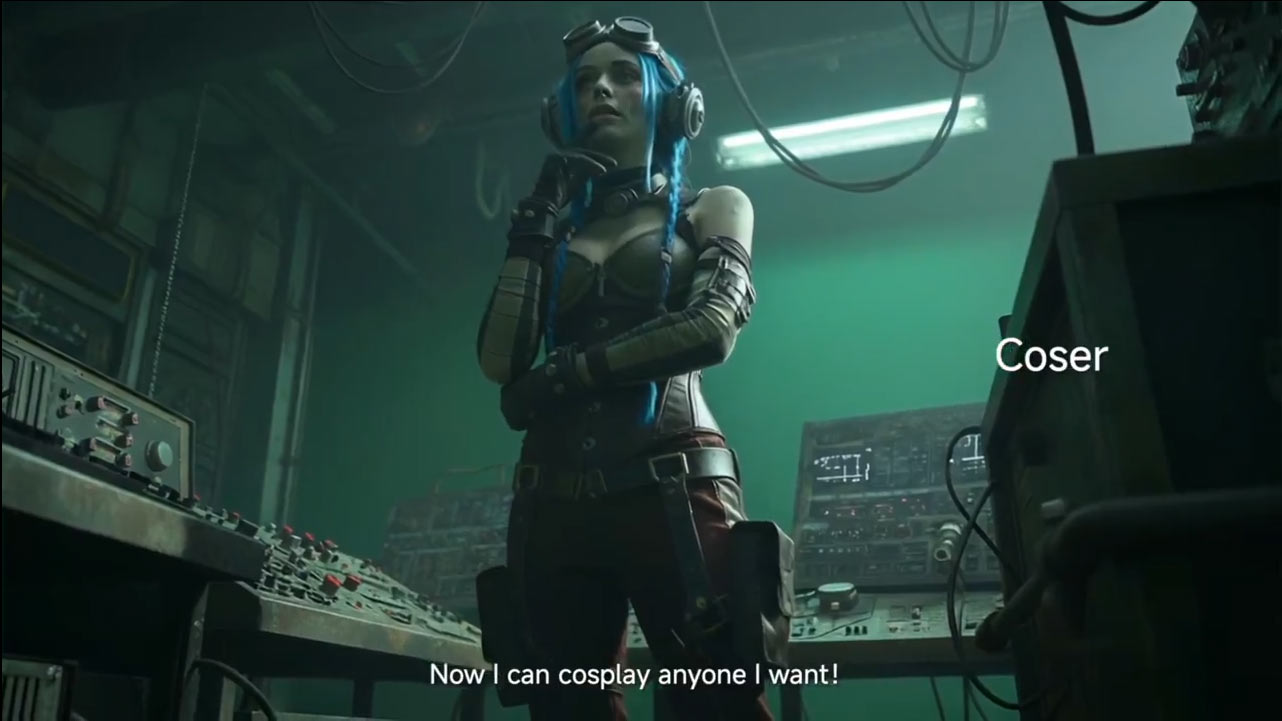
For individuals, it offers the potential to craft a richer digital presence: an avatar that does not just stand still but reacts, smiles, or emotes in sync with one’s personality or mood.
In an age where so much of human interaction is mediated through screens, the ability to project emotion and liveliness through an avatar could make communication more engaging, relatable, and humanlike.
Of course, with such possibilities come deeper questions.
If avatars can be made lifelike and emotionally responsive, how will this affect authenticity and trust online?
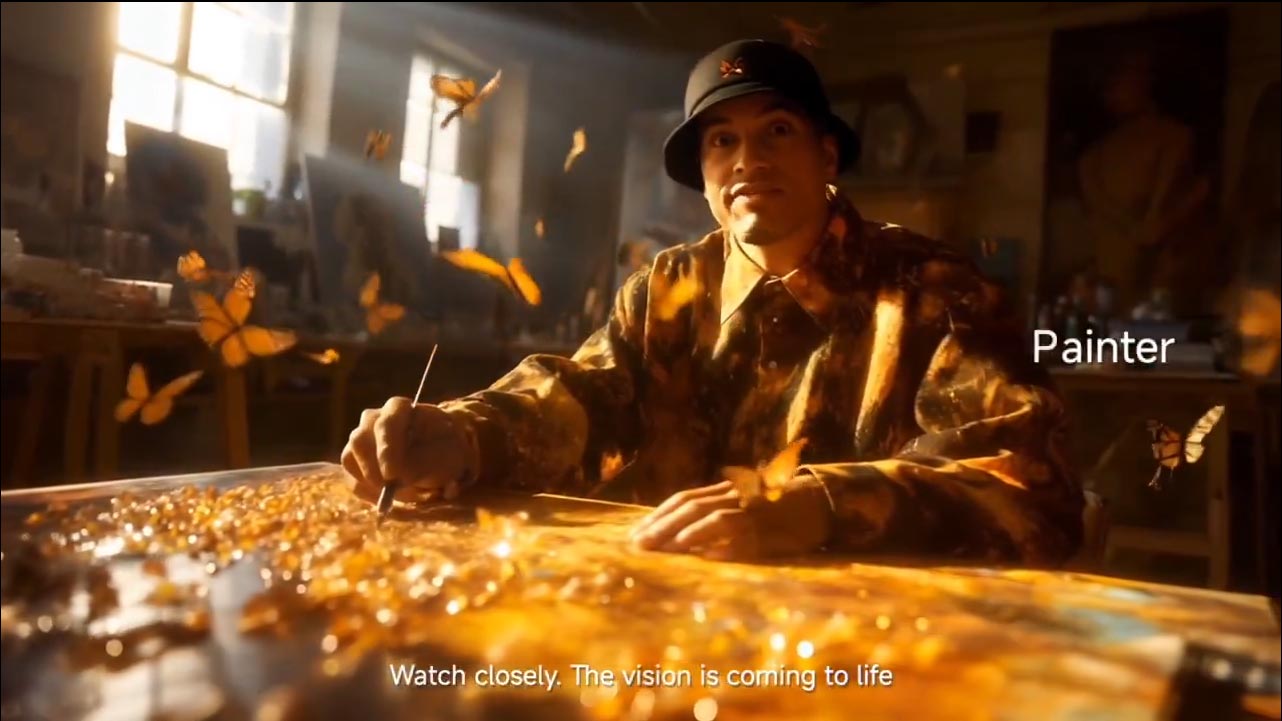
Will users be more drawn to characters that feel “alive,” and if so, what does that mean for social media and virtual community design? There are also considerations of identity. People may choose to present themselves not as they look, but as they wish to appear, with avatars enhanced by idealized expressions and endless customizations.
For some, this could be empowering; for others, it may blur the line between genuine and artificial presence in ways that complicate digital relationships. Yet, it is precisely in this tension that Kling is carving its niche, betting that the future of digital life will revolve around avatars that feel less like puppets and more like companions.
The rise of Kling AI Avatar, then, reflects both the trajectory of the LLM arms race and a branching path within it.
While many companies continue to focus on building ever more powerful reasoning engines, Kling is investing in the emotional and expressive dimension of AI, exploring how intelligence can not only inform but also perform.
By giving avatars the ability to display emotion, Kling is not just enhancing user experience; it is reshaping how humans might inhabit virtual environments.
Whether in gaming, social networking, education, or even remote work, the ability to communicate through a living, responsive avatar could become one of the most transformative applications of AI in the coming years.




















































































































































































































































































