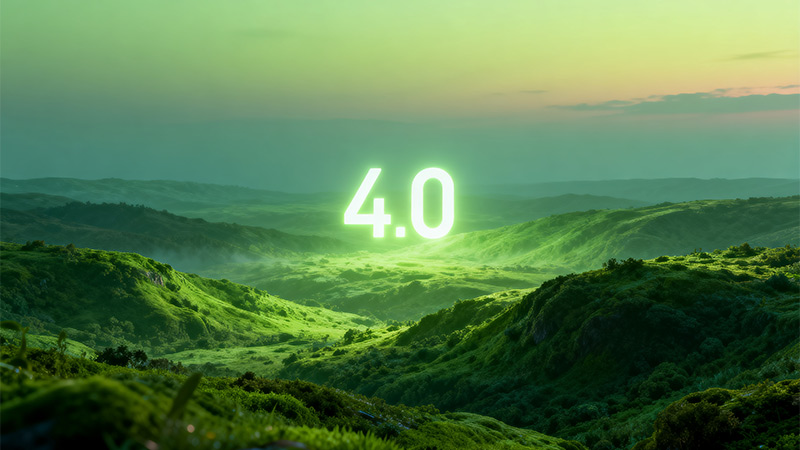
The large language models (LLMs) war is getting even more fierce because the West is not the only player in the field.
When OpenAI released ChatGPT to the public in late 2022, the world entered a new technological era. What had once felt experimental and confined to research papers suddenly became tangible: people everywhere were conversing with an AI that could write essays, debug code, craft stories, and even simulate personalities.
That release was the spark that ignited the so-called LLM war, which can be described as a global competition among tech giants to push the boundaries of artificial intelligence faster and further.
Almost overnight, Google, Microsoft, Meta, Anthropic and others ramped up their own models. But while those in the West were trying to outpace one another, China was never far behind.
In fact, companies like Baidu, Alibaba, and iFlytek launched their own models in rapid succession. And then there was ByteDance, the company best known globally for TikTok, quietly building its own AI arsenal.
Whereas other companies focused mainly on text-based language models, ByteDance began weaving AI deeper into the fabric of multimedia.
They launched Seedance, a video generation platform, and then shifted toward something more ambitious: Seedream, a multimodal model focused on images and creative visuals.
With the release of Seedream 4.0, ByteDance has placed itself firmly in the spotlight of the generative AI race.
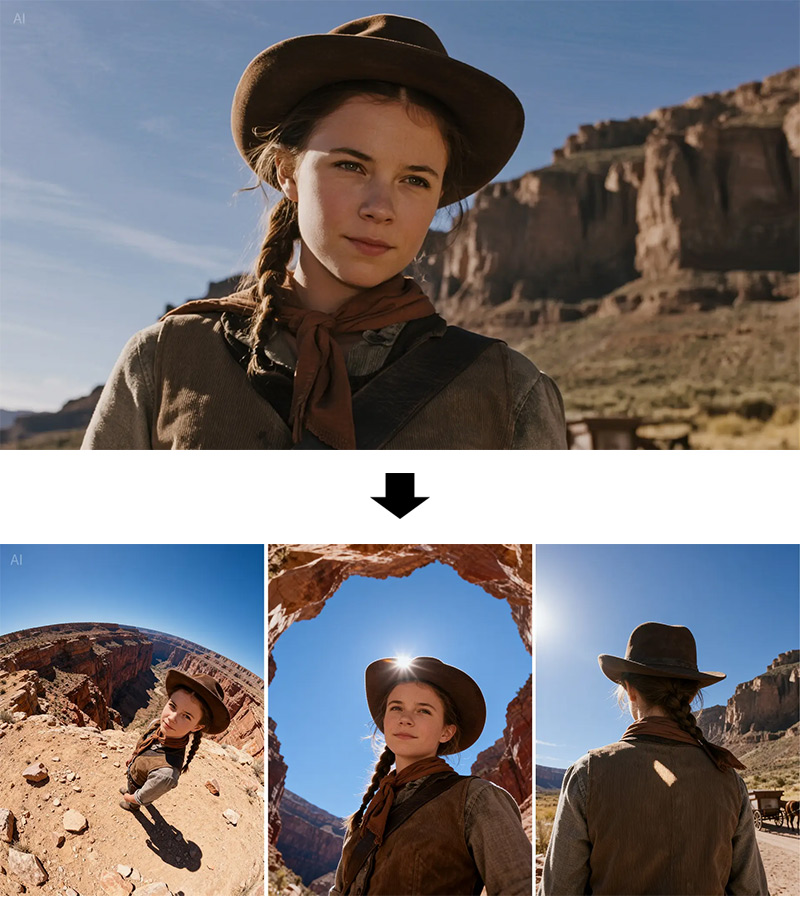
Seedream 4.0 is more than just another image generator.
It represents the next leap in how AI interprets prompts and delivers results that feel not only accurate, but stunningly real. Unlike its predecessors, this version can output 2K images in just under two seconds, handle complex edits, generate group scenes with nuance, and even perform seamless image inpainting.
In benchmarks, it rivals and in some cases surpasses competitors like Google’s Gemini 2.5 Flash Image.
ByteDance also claims internal tests show Seedream 4.0 outperforming competitors in areas like prompt adherence, aesthetics, and text rendering, though these results are yet to be independently verified.
Read: With Its Own Native Image Editing Ability, Google Gemini Goes 'Bananas'
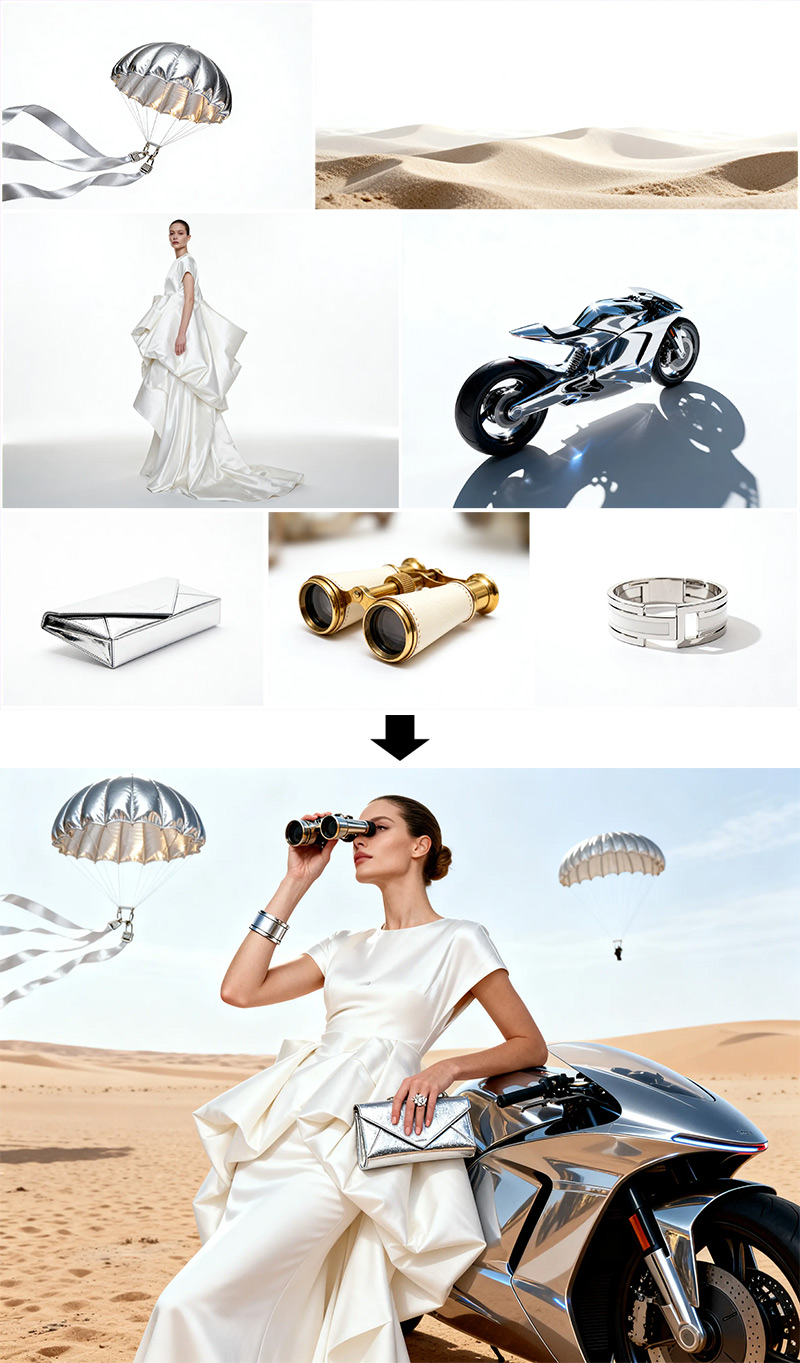
ByteDance emphasizes that Seedream 4.0 is not just fast.
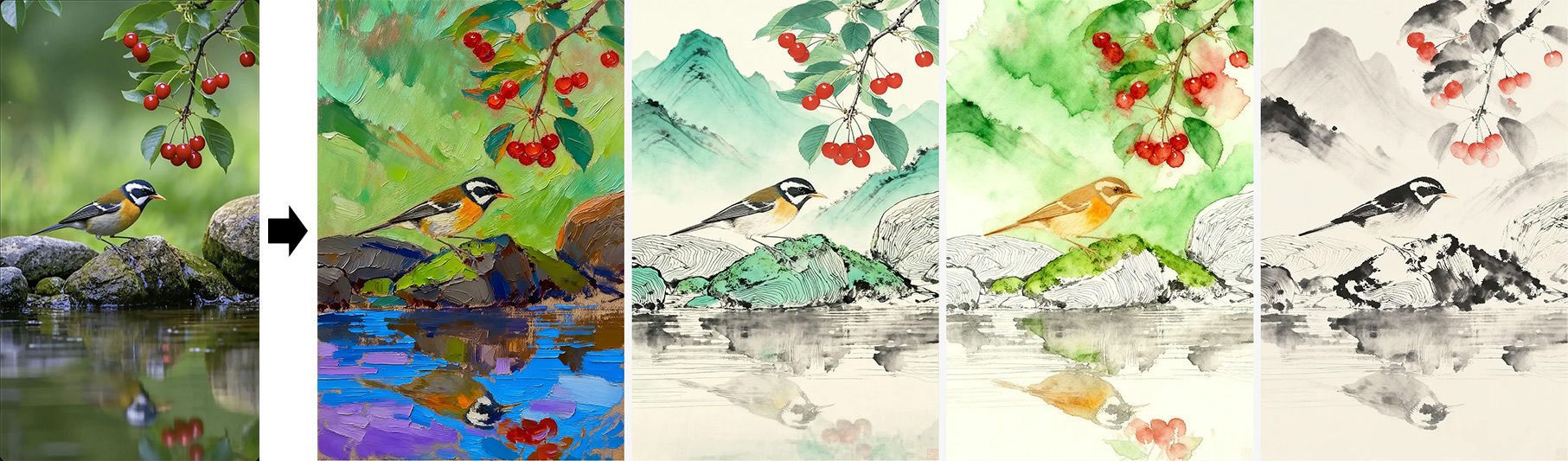
This is because results from Seedream 4.0 is also aesthetically refined, since the AI is capable of creating visuals that align with human taste and style in ways earlier models struggled with.
But the bigger story is not just technical specs.

It’s the way models like Seedream are blurring the line between imagination and reality.
The very name “Seedream” reflects this shift: it invites users to see the dream, to watch what was once only imagined manifest into something visible, concrete, and shareable.
This is where the conversation turns more unsettling.
Generative AI is getting better and better every single day. What looked impressive just six months ago now looks dated, crude, almost artificial. Yesterday’s "real" is today’s "fake." The pace is dizzying: a face, a building, or a cityscape generated today may be indistinguishable from a photograph, but by tomorrow, it could be surpassed by something even more detailed, more vibrant, more alive.
That raises profound questions: if our perception of what is "real" keeps shifting, what anchors us?
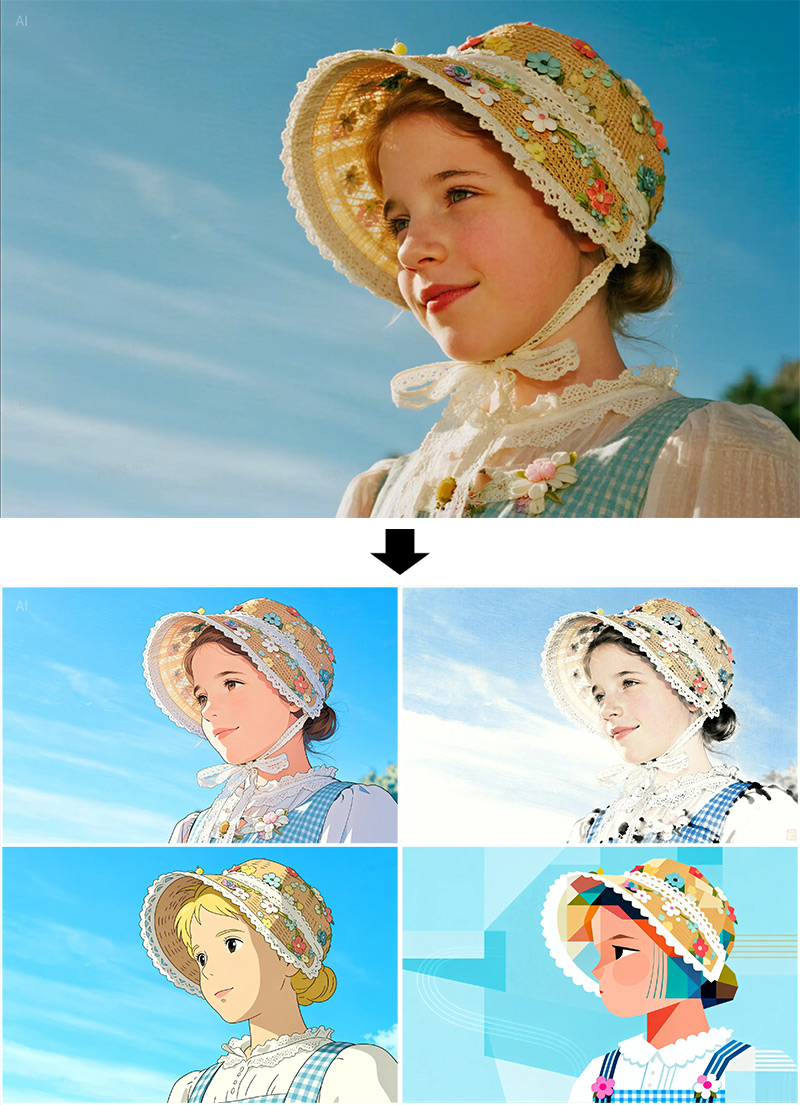
If today’s authentic photo can be matched or even outdone by tomorrow’s AI generation, where do we place our trust? What does "truth" look like when technology erases the distinction between captured reality and fabricated imagination?
Seedream 4.0, like its global counterparts, isn’t just showing us art or playful creations. It is challenging our very sense of reality.
We are moving into an age where today’s real will likely be tomorrow’s less real, and yesterday’s real already looks primitive.