At this time aruond, a simple yet strikingly named app has captured widespread attention across China and beyond, tapping into deep-seated anxieties about living alone in an increasingly disconnected society.
Originally launched as "Are You Dead?"—or "Si Le Ma" in Mandarin, or "Demumu," a cheeky play on the popular food delivery app "Are You Hungry?" (E Le Ma).
The app was created by a small team of Gen Z developers from Moonscape Technologies (also referred to as Yuejing Technical Services). These young creators built it as a lightweight app with a modest development cost of only around 1,000 to 1,500 yuan (roughly $140–$200). What began as a niche experiment quickly exploded in popularity, topping Apple's paid app charts in China and climbing high in international rankings, including the US, Singapore, and Hong Kong.
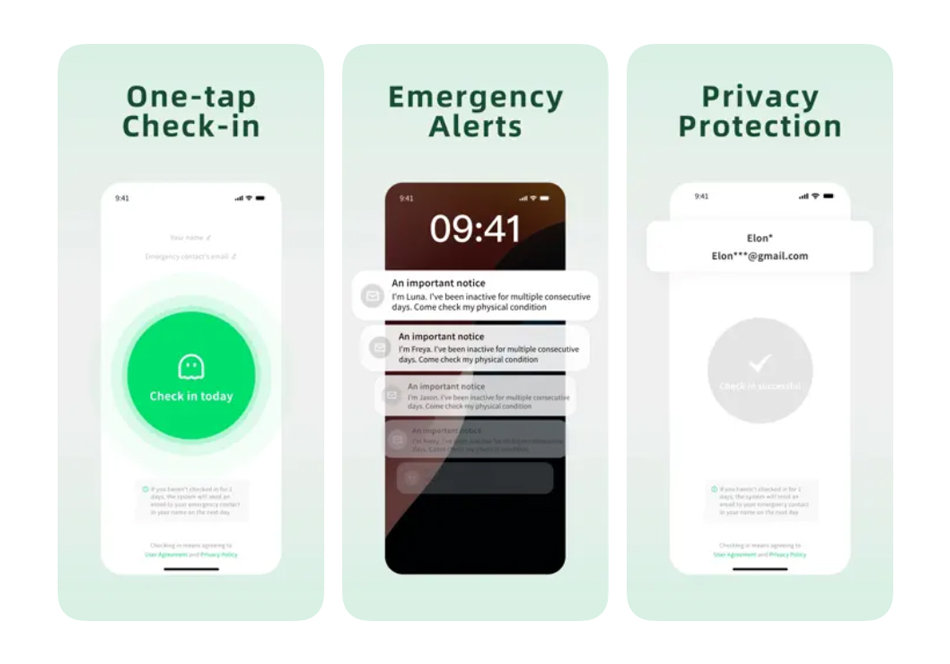
The app's core function is elegantly straightforward: users tap a large green button each day to confirm they are alive.
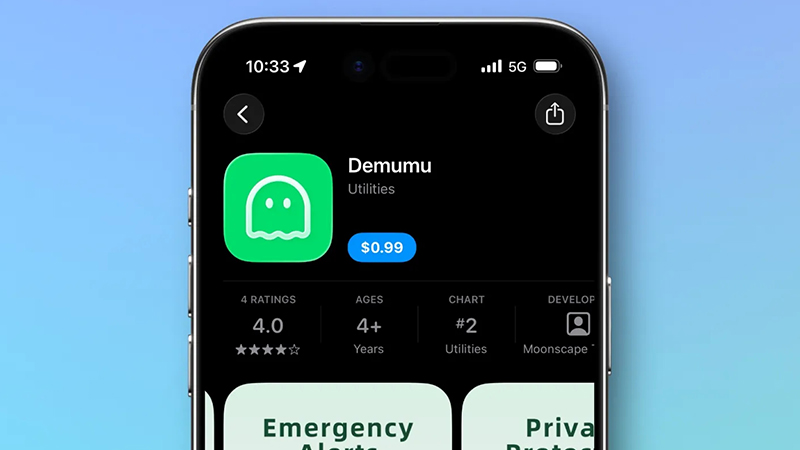
Are You Dead Yet is essentially an app that asks users whether they're alive or not.
To use the app, users must set up an emergency contact, which can be a family member or a close friend. It's this person who will receive an automated alert if the user of the app missed checking-in to the app for two consecutive days. The notification will be sent on the third day via email.
Priced at a one-time fee of 8 yuan (about $1.15), it avoids subscriptions and keeps the interface minimal, almost meditative in its blank simplicity. Developers have teased future upgrades, including AI-driven monitoring, heart-rate integration, and elder-friendly versions, positioning it as an evolving "AI safety companion."
According to the developer, they plan to add enhancements as well SMS support.
The viral surge reflects a broader reality in modern China, where rapid urbanization, the legacy of the one-child policy, economic pressures, and shifting attitudes toward marriage and family have fueled a sharp rise in solitary living.
Projections suggest China could reach 200 million one-person households by 2030, with single-person households already exceeding 25% in recent censuses and continuing to climb.
Young professionals migrating to cities like Beijing, Shanghai, and Shenzhen often find themselves isolated, working long hours in competitive environments where overwork-related incidents occasionally make headlines.
Meanwhile, the aging population, over one-fifth now above 60, faces "empty-nest" challenges as adult children move away, leaving elders vulnerable to unnoticed health crises.
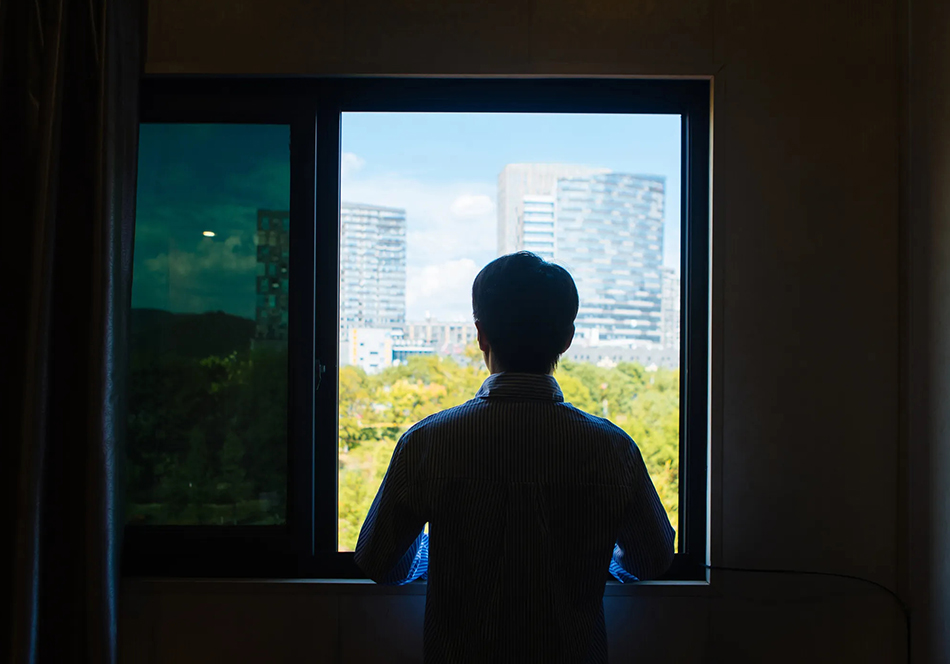
Users from diverse backgrounds have shared how the app provides a quiet sense of reassurance.
A 29-year-old geologist in Beijing described it as easing the fear of fainting or dying without anyone noticing. A 38-year-old in Shanghai worried about the unfairness of a body going undiscovered, while a Beijing worker far from family set his mother as the contact to avoid being forgotten. Even those dealing with depression or introversion have found value in its low-effort check-in, though some later abandon it when the daily ritual feels like another obligation amid life's demands.
The app's blunt name sparked both its initial buzz and considerable controversy.
Many embraced the dark, cynical humor, aligned with China's "sang" culture of ironic resignation, seeing it as refreshingly direct about mortality and isolation. Yet others found it morbid or inauspicious, given cultural taboos around referencing death openly.
Criticism poured in on platforms like Weibo, with suggestions for gentler alternatives like "Are You Alive?" or "Are You OK?" In response, the developers rebranded it internationally as Demumu (a blend of "death" and the viral Labubu toy trend) and briefly considered further changes, though user backlash against softening the edge led them to reconsider.
The app even vanished temporarily from China's App Store amid the uproar, only to reemerge amid ongoing discussions.

Ultimately, this unassuming tool has become more than a safety feature; it mirrors a profound societal shift. In trading traditional family closeness for urban independence, millions now confront the quiet risks of solitude.
The app's success, sparking investor interest, valuation jumps, and calls for broader care, highlights a collective yearning for connection, even if expressed through a daily digital pulse.
As one developer noted, those living alone have dreams, strive hard, and deserve to be seen, respected, and protected. In a world growing more fragmented, a simple green button offers a small but poignant reminder that someone, somewhere, is checking if you're still here.














































































































































































































































































