In 2025, travel has become a fully tech-enabled affair.
Planning a trip no longer requires sticky-note hostel bulletin boards or clunky paper maps. Now, everything from discovery to booking to itinerary adjustments can now be done with a few taps on a smartphone. Recognizing this shift, Indonesia is doubling down to ensure its tourism sector evolves in step.
For Bali, one of the world’s most beloved tourist destinations, this new chapter brings digital identity, cultural preservation, and high-tech convenience under the same umbrella.
And now, the island has marked a major milestone: Bali has its own top-level domain: .bali.

Created in a collaboration between local government and Pengelola Nama Domain Internet Indonesia (PANDI), ttis isn’t just a web address: it’s a digital statement of identity. The .bali domain offers local businesses, cultural entities, tourism operators, and creative communities a way to present themselves online as authentically rooted in Bali.
It aims to make it easier for international travellers and investors to recognize and connect with Bali-based services.
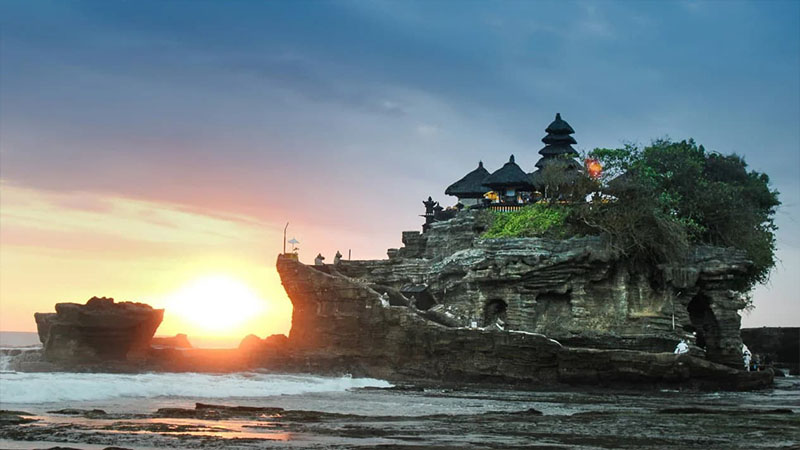
PANDI, and by extension the Bali government, hopes this digital identity will help preserve local values and heritage even as Bali further integrates into the global internet ecosystem.
In fact, the initiative goes beyond just Latin-script domains: PANDI is also working with Udayana University to enable domains in Balinese script. That means in the near future, it may be possible to browse Bali-related websites using traditional Balinese orthography. This can be considered a move that signals respect for local culture and supports digital inclusion for native speakers.
At the same time, the Indonesian government is not just digitizing culture.
It's also transforming travel itself.

Back on November 28, 2025, the Ministry of Tourism of the Republic of Indonesia (Kemenpar) launched MaiA (Meticulous Artificial Intelligence of Indonesia), an AI-powered travel companion designed to streamline trip planning for both local and international visitors.
MaiA represents a cornerstone of the broader “Tourism 5.0” initiative, which aims to make Indonesian tourism smarter, more inclusive, and sustainable.
MaiA is much more than a chatbot.
It offers personalized destination recommendations tailored to each traveler’s preferences, automatically builds itineraries (from activities to accommodations to transit), provides multilingual support, gives interactive maps and real-time guidance, and helps tourists discover hidden gems across Indonesia. What this means, it doesn't just show those usual hotspots.
The service is accessible through the official travel website and aimed at making travel planning intuitive, efficient, and stress-free.
For Bali, along with other Indonesian destinations, this means travelers now have access to rich, culturally grounded digital content (through .bali and future script-based domains) and smart AI tools that make planning a trip smoother than ever.
The combination offers something many other destinations can’t: a fusion of tradition, identity, and cutting-edge convenience. As one PANDI official put it, the .bali domain is “an official platform to showcase local culture, tourism, and innovation … accessible to the wider public and investors from around the world.”
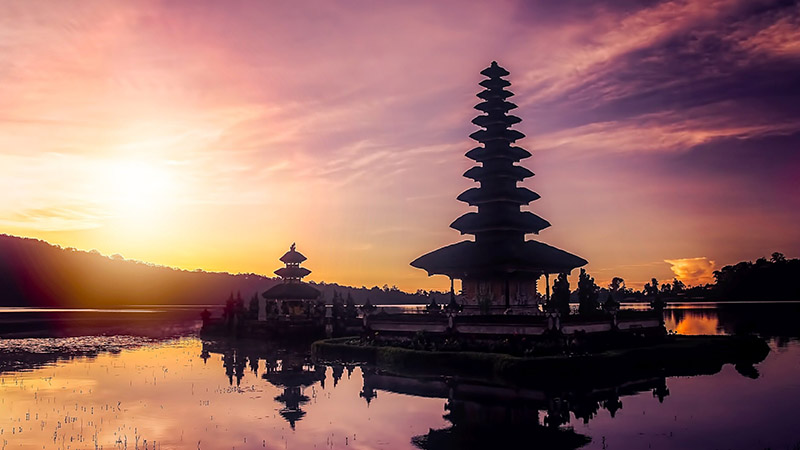
From the tourist’s perspective, this could transform the way people experience Bali, making it no longer just a destination, but a digitally reachable world full of curated content, cultural context, and guided travel tools, whether they speak English, Arabic, Chinese, Thai or more.

And for Bali's businesses and cultural institutions, it’s an opportunity to reach a global audience with authenticity.
In short, Bali in 2025 is stepping into a new era: one where heritage and high tech travel hand in hand. A visitor to Bali might soon plan their journey via AI, browse a website with a .bali domain, and even interact with content in Balinese script, all before setting foot on the island. In a world where travel increasingly happens via screen and click, Bali is shaping up to be not just a paradise of beaches and temples, but a model of how destinations can evolve thoughtfully into the digital age.






















































































































































































































































































