Nala Ray’s journey reads like something out of a culture-war playbook: in her early 20s she had everything most women want (at least materialistically).
From mansions, luxury cars and designer bags, she had it all. She achieved such financial height, thanks to being a model at OnlyFans, and becoming one of its top creators. Ray said that she earned roughly $14 million and amassed tens of thousands of paying subscribers.
She was making loads, rising to fame, just when COVID-19 was making a lot of people with regular jobs suffer.
Yet that life of wealth and notoriety came with a deeper cost, one she only recognized years later. Now, she turned a new leaf. She's now an advocate of anti-pornography.
"The devil can only give you so much. So to them, I would literally say, 'You can only go so far. This is not a career. These actions will have consequences,'" she said.
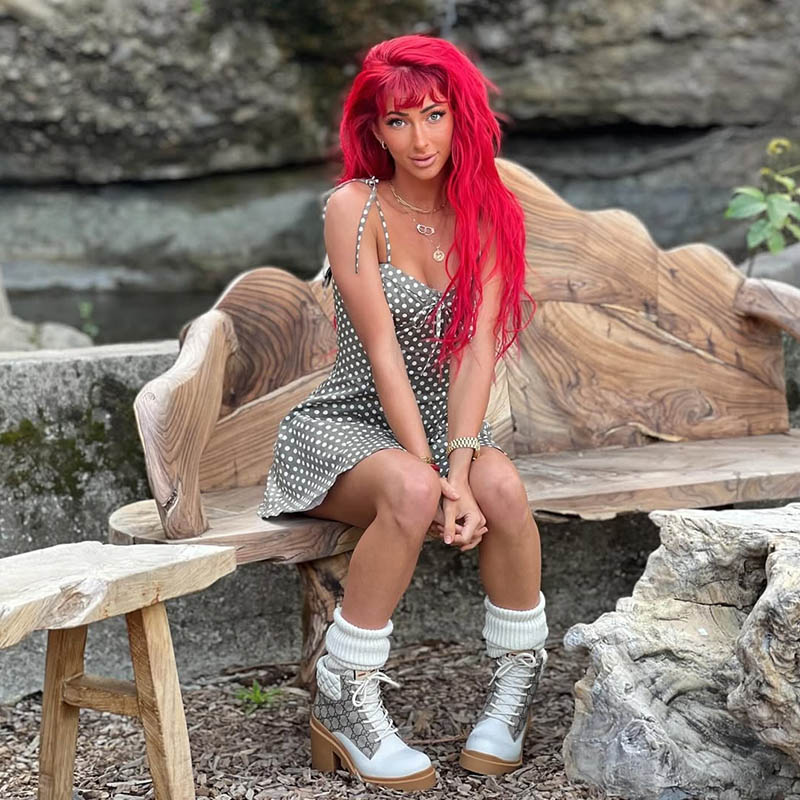
Nala Ray was born on December 3, 1997 in Illinois, U.S., into a strict Christian household where her father served as a pastor and her mother was a homemaker. She grew up with four siblings in a family deeply shaped by religious values and community expectations.
Her early years were marked by a highly conservative environment. Church and religious doctrine dominated daily life. She has described rules that forbade wearing makeup, provocative clothing, dating, or engaging with social media, especially in ways that might attract attention or seem immodest. Being the pastor's daughter added extra pressure to "behave" and be a role model, which she later said felt suffocating.
Rebelious like how most youngsters, Ray has described her childhood environment as "a cage" of legalism.
Not because of faith itself, but because strict expectations left little room for self-expression or independence. During these years she participated in church activities like choir, youth Bible study, and drama, but also felt constrained by the rules and judgments of her religious community.
Then, a tornado destroyed their home, forcing the entire family to move out and live in a hotel.
This was an early crisis for Ray, who said that she was emotionally scarred and developed a sense of insecurity. Making things worse for the young Ray, her parents went through separation, and her mother divorced his father after she found that he was having an affair. While her parents later reconcile, the whole event contributed to a complex and uneven sense of stability in her formative years.
This became more apparent in her teenage years.
When Ray began sneaking out to meet boys, she was pushed against her conservative norms, trying to find autonomy and personal identity outside the strictures she grew up with. The first thing that triggered this, was when her father took pity on a wayward 16-year-old boy, letting him live in their home, who later molester her when she was only 13.
By age 16, she had moved away from her church community and eventually left her hometown for greater freedom and opportunity.
This combination of religious strictness, family upheaval, and a desire for independence and self-expression set the stage for her next major life chapter: what began as having an account on social media, she later became a creator on OnlyFans, where she would achieve massive financial success.
But then, her fame and fortune didn't contribute to a healthy well-being. Instead, it made her deeply emotional.
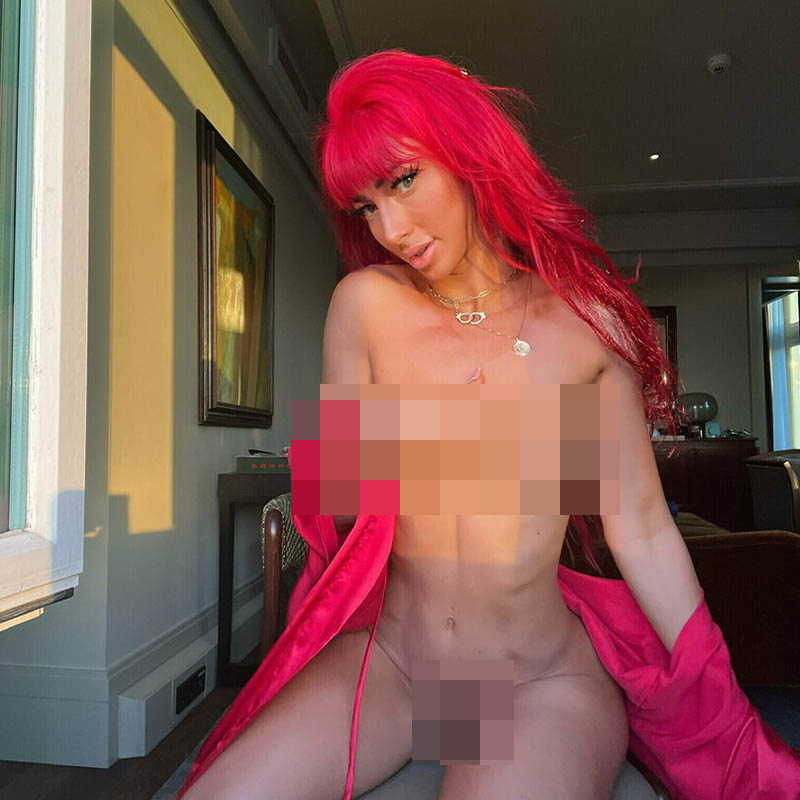
When Ray was on OnlyFans, she was one of those who exploded in popularity, especially during the COVID-19 pandemic. Ray rode the wave, and treated her account like a business: she hired a manager, studied the trend and demands, and even read about psychology to better understand her audience.
Modest at first, Ray's content later became far more explicit.
From frontal nudity to sexual intercourse in front of the camera.
It's the relentless pressure to create increasingly explicit content that finally took its toll. She has described how she relied on alcohol and marijuana "to just do it," admitting, "Honestly, I couldn’t feel much at all. I could feel angry, but I didn’t cry for years."
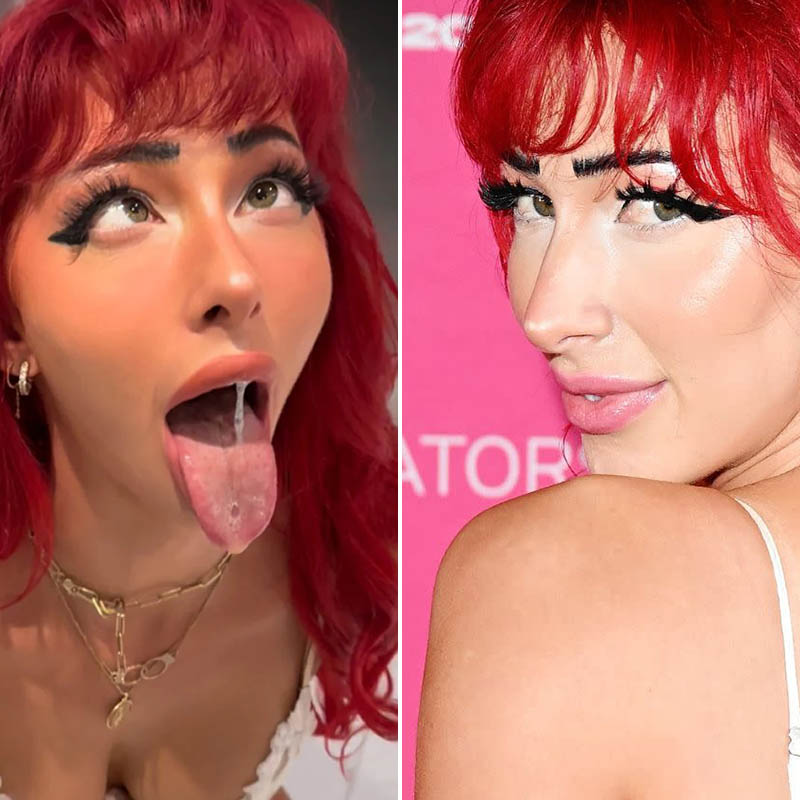
In the end, she ultimately returned to her faith.
The turning point began on social media.
In late 2023 Ray connected with Christian influencer Jordan Giordano, someone who didn't know her OnlyFans past and treated her with compassion rather than objectification. His influence, along with a period of prayer and reflection, led her to a spiritual reckoning. By January 2024 she quit OnlyFans, and a few months later she married Giordano.
What followed was a stark contrast to her former lifestyle: she deleted her explicit content, got baptized, and began publicly identifying as a born-again Christian.
Since then, Ray has become an outspoken critic of pornography and the adult content industry.
In interviews and on public stages, like her viral appearance during one of Charlie Kirk's campus tours, she has warned about the emotional and relational harms she believes stem from pornography use and participation, saying things like "I want to know… would you support a ban on porn in America and what would you do to make that happen?" and emphasizing how the industry shaped her life in ways she now sees as damaging.
Her message resonates with some viewers as a testimony of redemption: a stark contrast between material success and spiritual fulfillment, but it hasn't been without backlash.
Many online, including some within Christian circles, have been skeptical of her intentions or questioned the authenticity of her conversion. Some critics accuse her of "grifting," or of repackaging her past for a new audience, while others simply doubt that someone can so dramatically pivot from one extreme to another.
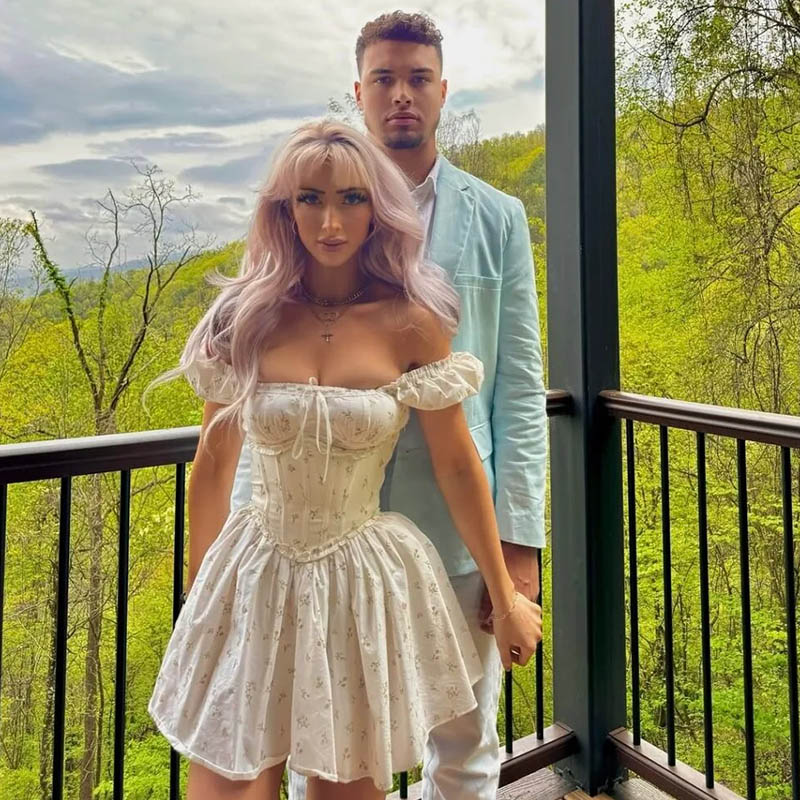
Still, Ray continues to engage with people who reach out privately, offering support to those who want to leave OnlyFans or similar work, emphasizing empathy over judgment.
Today, Ray’s life is markedly different from her past.
With high upkeep but much lower income, her saving quickly depleted. The money she once took for granted, has vanished. But now, she doesn't care much about it, since her priorities have shifted to sharing her faith and talking openly about struggle, addiction, and recovery.
"I was so deep in the industry," she said. "I was bold enough to take so many crazy, radical steps into it. And now, I'm just on the opposite spectrum. It's crazy. That shows God's glory."