Bule Barbie, whose real name is Dasha Gartman (sometimes referred to as Daria), is a German-born content creator and influencer who has built a massive following in Indonesia.
Operating under the persona "Bule Barbie" (where "bule" is Indonesian slang for a Caucasian foreigner), she has become a recognizable figure through her vibrant lifestyle videos, fashion hauls, travel and food vlogs, cultural observations, and humorous takes on life as a Westerner adapting to Indonesian society.
Based primarily in Jakarta, she shares content across TikTok, Instagram, YouTube, and other platforms, often blending confidence, playfulness, and genuine cultural appreciation.
Her rise highlights the appeal of authentic cross-cultural content: she speaks some Bahasa Indonesia (and even Sundanese), engages warmly with fans, and positions herself as approachable yet aspirational. However, one unexpected aspect of her online journey has drawn particular attention: the phenomenon surrounding her "ketek" (Indonesian slang for armpit) content.
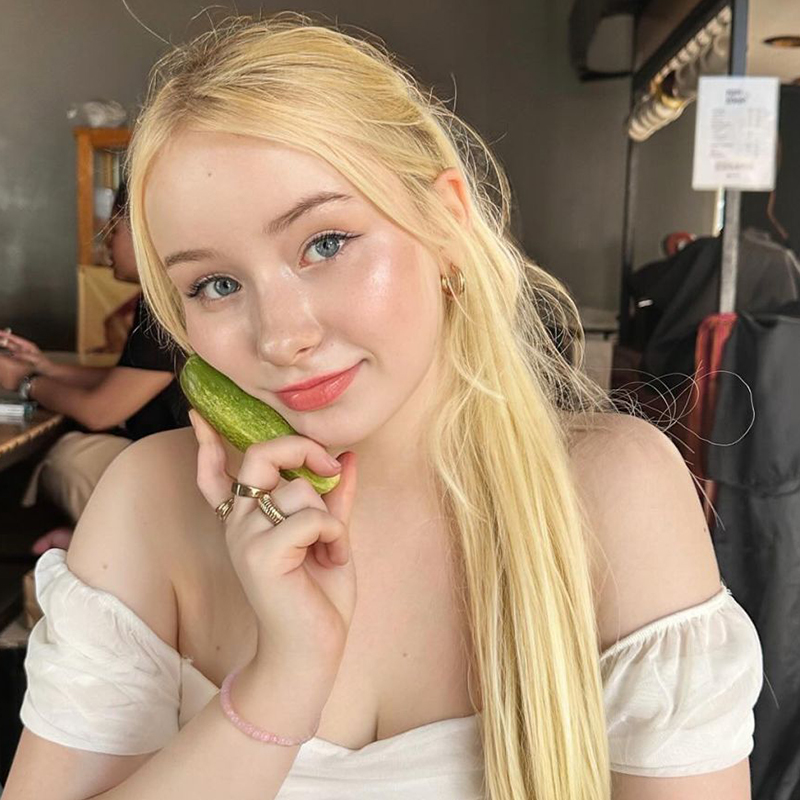
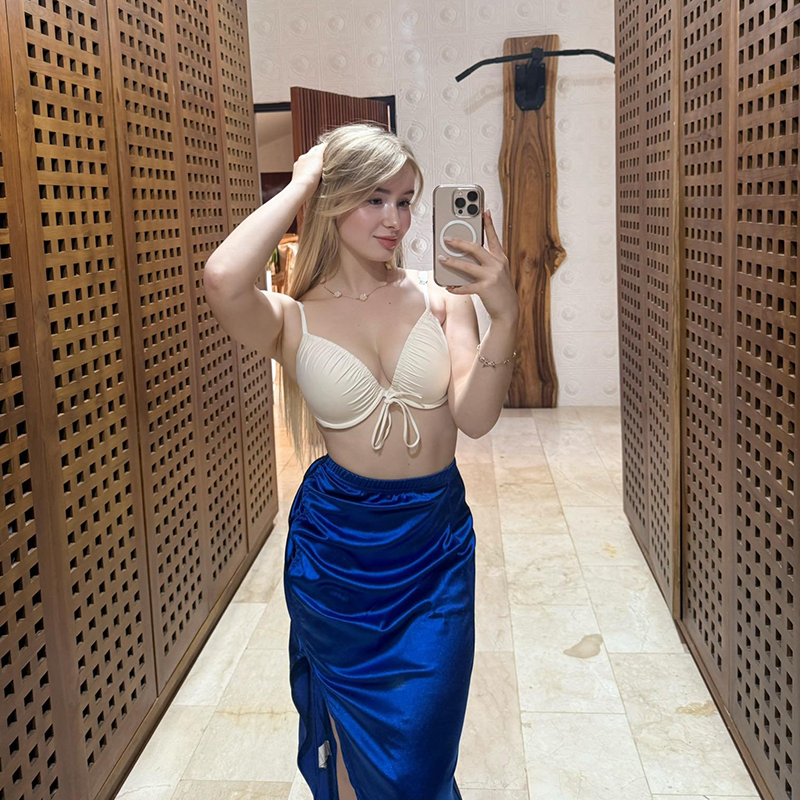
Many of Dasha's casual posts feature sleeveless outfits, gym workouts, raised arms in photos or videos, or everyday poses that incidentally show her underarms.
Initially, these were simply body-positive, confident moments in her content, nothing she emphasized or framed differently from other aesthetics.
Yet, certain posts exploded in engagement far beyond her typical videos.
Comments, direct messages, reposts, and fan discussions zeroed in on this detail. Searches for "ketek bule" or similar terms frequently surfaced her content at the top of autocomplete suggestions.
What she saw as normal self-expression was being reinterpreted by a portion of her audience through a clear fetish lens.
In various Q&A sessions, stories, and podcast appearances, Dasha has addressed this directly, often with amusement and mild surprise.
The 1982-born German has shared that she only learned about the existence of an armpit fetish subculture largely through her followers' reactions and messages. She appeared genuinely unaware at first, treating it as a quirky "Indonesian thing" or niche interest she discovered online.
For example, in podcast clips (including appearances on shows discussing candid or boundary-pushing topics), she has joked about the intensity of the focus and acknowledged learning about the fetish community from her audience. One viral discussion even tied into broader conversations about why some Indonesians seem particularly interested in this aspect of foreign women's appearance.
Over time, her awareness grew.
Some later posts or captions included subtle, playful nods to the running joke, without explicitly leaning in, but showing she understood the dynamic.
This sparked debate in comments and online circles: critics suggested she was capitalizing on fetish-coded imagery for views, while supporters argued she was simply continuing her usual confident style and exercising agency over her body and content.
From Dasha's own statements, she largely finds the situation funny rather than bothersome.
She has continued posting naturally, accepting that once content is public, interpretations escape the creator's control.
Dasha has also touched on related topics in her videos, such as explaining why some foreigners (including herself in certain contexts) might experience body odor in Indonesia's hot, humid climate.
She noted that in cooler European climates (especially winter), people often shower less frequently. Maybe once a day or even every two days because they sweat minimally.
"It’s actually simple. In our countries, it's not as hot as in Indonesia, so we only need to shower once a day, usually at night. Because we don't sweat. Back home we don't really sweat, it's not hot," she explained. "During snow season, winter, why would we wake up at 5 or 6 a.m. when it’s freezing and take a shower? We’d catch a cold, we’d get sick," she said.
Arriving in tropical Indonesia, where locals commonly bathe multiple times daily, creates an adjustment period that can lead to noticeable differences in scent.
"So when foreigners go on vacation to Indonesia or come to Indonesia, they’re not used to showering 2, 3, or even 5 times a day like Indonesians who are very clean. That’s why they start to smell," she said.
She presented this lightheartedly as a cultural contrast rather than a judgment.
An armpit fetish, clinically known as maschalagnia (or sometimes axillism), is a type of partialism, or an attraction towards a specific non-genital body part. In this case, it's the attraction towards one's armpits.
This can involve the sight of raised arms exposing the underarm area, the soft skin and crease, armpit hair (hairy or shaved preferences vary), or especially the natural scent and sweat. The strongest draw for many is the olfactory element: the raw, natural odor from apocrine sweat glands in the armpits, which contains pheromone-like compounds that can unconsciously influence attraction and arousal.
These secretions produce a pungent, musky scent (often described as primal or animalistic) that hits differently from regular body odor, especially when fresh after exercise or without deodorant.
While not one of the most widespread fetishes (feet or bondage tend to rank higher in surveys), maschalagnia is far from rare or abnormal.
It's widely recognized in kink communities, and a lot of people appear to share this fetish in various platforms, including social media.
As for Bule Barbie, her experience illustrates a common reality in the modern social media landscape: platforms collapse contexts and intentions.
A simple aesthetic pose, regardless of it being calculated or by accident, can be clipped, zoomed, and circulated in entirely separate communities with different meanings.

Armpit imagery isn't inherently erotic, but niche interests have long thrived online, and many influencers only discover them through unexpected spikes in engagement or comment patterns.
Creators then face a choice: ignore it, set boundaries, or playfully acknowledge it while staying true to their brand.
In Dasha's case, she has leaned toward amusement and continuation, turning an accidental discovery into part of her ongoing dialogue with fans.