The Emerging Mobile OS War

The mobile industry is growing at an immense rate. Today, almost everyone owns (at least) a cellphone, and more than half of them uses smartphones and/or tablets.

The mobile industry is growing at an immense rate. Today, almost everyone owns (at least) a cellphone, and more than half of them uses smartphones and/or tablets.

The microblogging company Twitter, in January 24, 2013, unveiled Vine, an app for iPhone and iPod Touch. Vine, acquired by Twitter last fall, is its latest mobile app that hosts short video clips for sharing through the user's Twitter feed.

Facebook introduced Graph Search.
Mozilla on Tuesday, January 8, 2013, officially launched Firefox 18 for Windows, Mac, Linux, and Android.
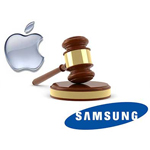
Apple has agreed to withdraw patent infringement allegations against Samsung's new Galaxy S III Mini in exchange for assurances that the South Korean electronics giant will not market the smartphone in the U.S.

Since the first personal computer (PC) hit the market, newer and better models have made older models obsolete within months. Emerging new technologies are replacing the older ones in a pace that is difficult for users to follow.

Several years ago, the mobile market was quite different than what it is today. Google's Android flagship phones are getting popular by using all the limits in mobile technology and Apple's iOS with iPhone is the smartphone of choice for many communities and fans.
Any products has its own fans and foes. And so does Windows. But Microsoft felt the time was right for a new look and feel for a product that have been used by more than 1.2 billion people.

In June 2012, Apple announced that it was launching its own maps app using licensed data and its own software. But soon after its launch, the complaints began.

Yahoo! is rolling out a faster, sleeker and better-designed email services, with CEO Marissa Mayer behind its back.