In the age of endless social media scrolling, most videos come and go unnoticed. Some briefly go viral before fading away. Only a few, however, resurface again and again with chilling regularity.
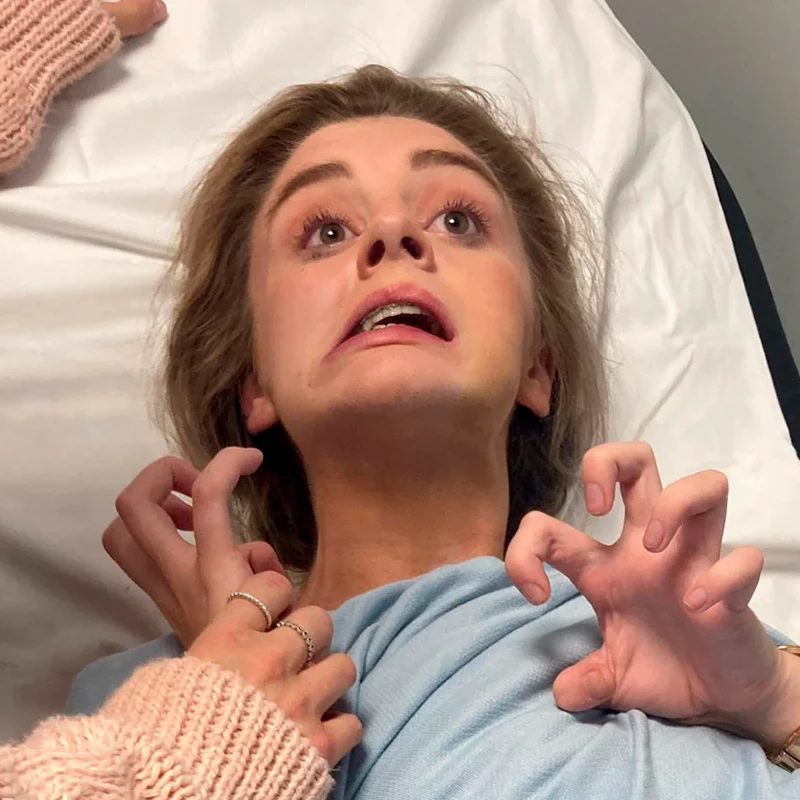
One good example of the latter, is the video of an 18-year-old British woman writhing on a hospital bed, her body locked in a grotesque, "Exorcist"-like state with her eyes bulging, jaw clenched shut, hands twisted into rigid claws. She is seen unable to speak or move, despite being fully conscious.
That woman is Millie Taplin.
The footage, which then goes viral, was recorded by her mother.
The video, recorded in August 2021, isn't something out of a horror movie, or some content creators doing their thing. Instead, it happened to Millie's very first nightclub visit, and it's a stark warning about the hidden dangers of drink spiking that resonates for generations.
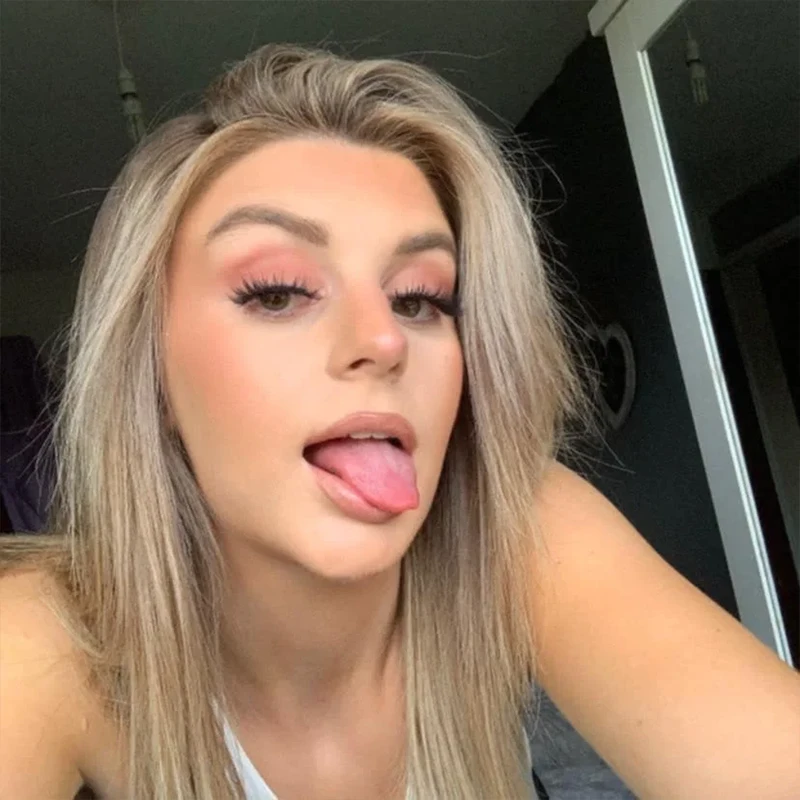
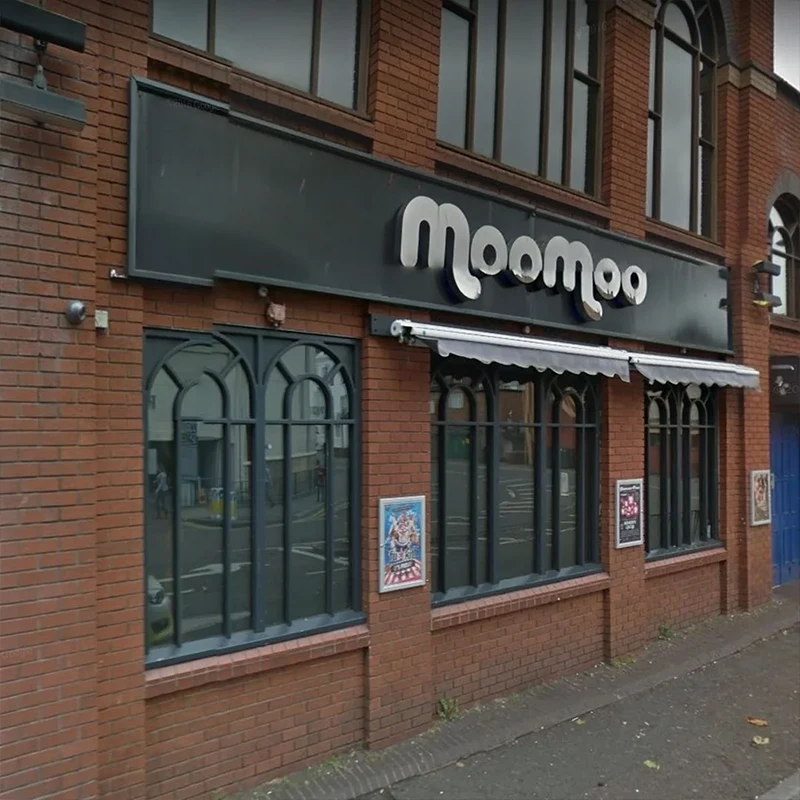
Millie Taplin was an 18-year-old carer living in Southend-on-Sea, Essex. Like so many young people finally old enough to legally drink in the UK, she was excited to celebrate with friends at MooMoo Clubrooms (also known as Moo Moos) on a Saturday night in late July 2021.
This was her first proper night out since turning 18.
Of course, as parents often do when their teenage daughter comes of age, they gave her plenty of advice. Millie herself wasn't reckless. She was with a group of friends, dressed properly, and aware of her surroundings.
But one seemingly innocent offer changed everything.
A man she had been chatting to (accounts describe him as someone connected to her social circle or a stranger who approached the group) handed her a vodka lemonade.
"Try this," he said.
Millie took just a couple of sips. Within five to ten minutes, the nightmare began.
She felt hot and sick, told her friends she thought she'd been spiked, and stepped outside for fresh air. Her vision blurred. She vomited. Her legs stopped responding even though she was trying to move them. Friends had to fetch a wheelchair.
Then the full effects hit: her face went numb, her speech vanished, her hands curled into claw-like grips, her jaw locked tight, and her body stiffened into rigid paralysis while she thrashed in visible agony.
Her friends immediately called her older sister Sadie, who rushed her to Southend Hospital.
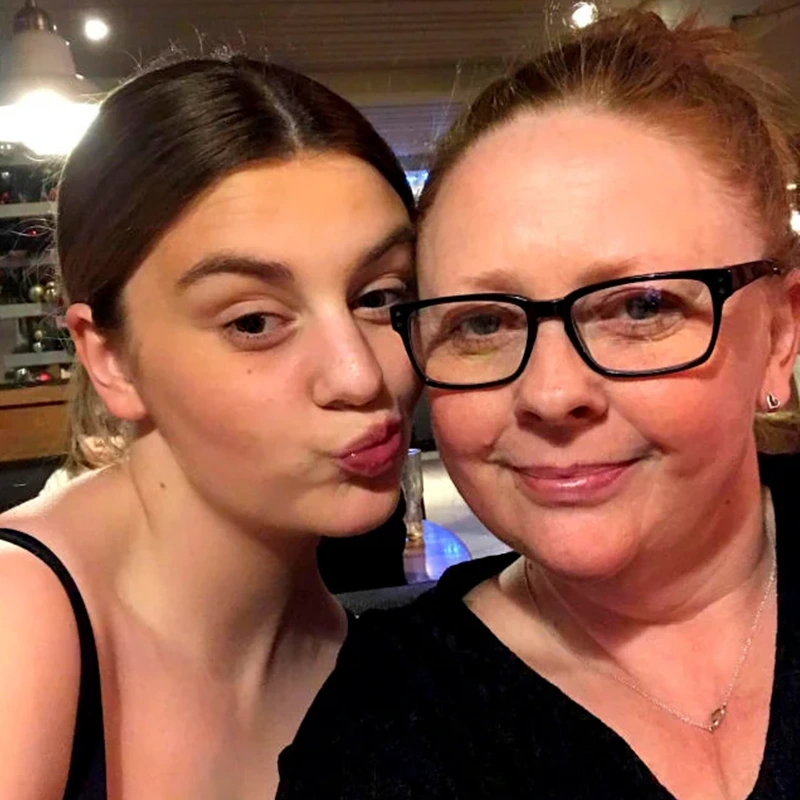
By the time her mother, Claire Taplin, arrived, the scene was devastating. Claire described her daughter as looking "possessed" with her eyes wide and rolling, body contorted, trapped in silent screams. Doctors told the family they suspected two unknown substances had been slipped into the drink: one to paralyze the muscles and one intended to knock her out.
Standard toxicology tests (or, according to some early reports, no advanced blood/urine tests at all) couldn't identify the exact drugs.
This is a common issue with fast-metabolizing spiking agents like GHB, Rohypnol derivatives, or ketamine variants that clear the system quickly. These fast-metabolizing synthetics leave no trace in the body within hours and don't usually show up on routine hospital screens.
Since hospitals don't always run the specialized, expensive panels needed unless police specifically request them, Millie was left in that locked, writhing state for roughly four hours.
Fortunately for her, she was discharged the next day, physically recovered but emotionally shaken.
Claire, devastated, filmed the hospital footage herself. Not for shock value, but as a deliberate public warning.
She posted it on social media with the caption urging others: "This is what being spiked looks like please be careful when out."
Essex Police launched an investigation after the report came in at 3:30 a.m. on August 1, 2021. They confirmed they were treating it as a drink-spiking incident. No arrests were ever made.
The nightclub issued a statement emphasizing that customers should watch their own drinks being poured and not leave them unattended, noting that the spiked drink had been accepted directly from another patron rather than bought at the bar. Millie herself later appeared on television to share her story and advocate for greater awareness.
She admitted the experience left her hesitant to return to clubs, though she made a full physical recovery with no lasting damage. Her mother, however, was deeply traumatized, saying it affected her "way more" mentally and left her anxious every time Millie left the house.
But what made it especially horrifying is that, she said she she remained completely lucid the entire time.
"I knew everything going on," she said. "I could reply to people in my head but I couldn’t get it out. In my head I was there but in my body I wasn't. I’ve never felt like that."
Drink spiking is a serious and dangerous act in which someone secretly adds alcohol, drugs, or other substances to another person's drink without their knowledge or consent. It can happen in social settings like bars, clubs, parties, or even small gatherings. Because it is done discreetly, the person affected often has no idea that their drink has been tampered with until the effects begin to take hold.
The purpose behind drink spiking is almost always harmful.
In many cases, it is used to make someone more vulnerable, impair their judgment, or render them unable to resist.
This can lead to crimes such as theft, assault, or other forms of exploitation. Even when some people claim it is done as a "joke," the consequences can be severe and unpredictable, making it a reckless and illegal act.
The effects of drink spiking can vary depending on the substance used, but they often include dizziness, confusion, nausea, sudden drowsiness, or memory loss.
A person may feel far more intoxicated than expected or struggle to stay conscious. These symptoms can come on quickly, which is why drink spiking is particularly dangerous and can escalate into emergency situations.
Most victims of drink spiking are women, and in many of those cases, the purpose is to rape.
But in Millie's case, this wasn’t an isolated "one-off" horror story.
This happened because it stands out due to the dramatic, visible dystonic reaction, and the fact that she stayed conscious, fully aware of the helplessness.
Claire Taplin's decision to release the video wasn't about exploiting her daughter’s pain. It was about prevention.
In her own words, she never even considered the risk of accepting a bought drink from someone else, until it happened. Millie's ordeal proves the point: vigilance isn't paranoia; it's survival. Always cover a drink when unattended, and never accept one that isn't ordered. Have a designated person who stays sober. If something feels off, and immediately seek help when something goes wrong.






















































































































































































































































































