The coveted checkmark on social media—once just a tiny blue badge—has evolved into a powerful symbol of status, influence, and a fair bit of controversy.
Though it's merely a simple graphic, the checkmark stirs emotions ranging from pride and admiration to envy and skepticism. Initially known as the "verified badge," it made its debut on Twitter as a way to authenticate the identities of public figures, celebrities, brands, and journalists. It wasn’t just a mark of identity; it became a digital nod of legitimacy.
Today, Twitter—now rebranded as X—along with other major social platforms, continues to offer verification in various forms. So naturally, it begs the question: why wouldn’t Bluesky?
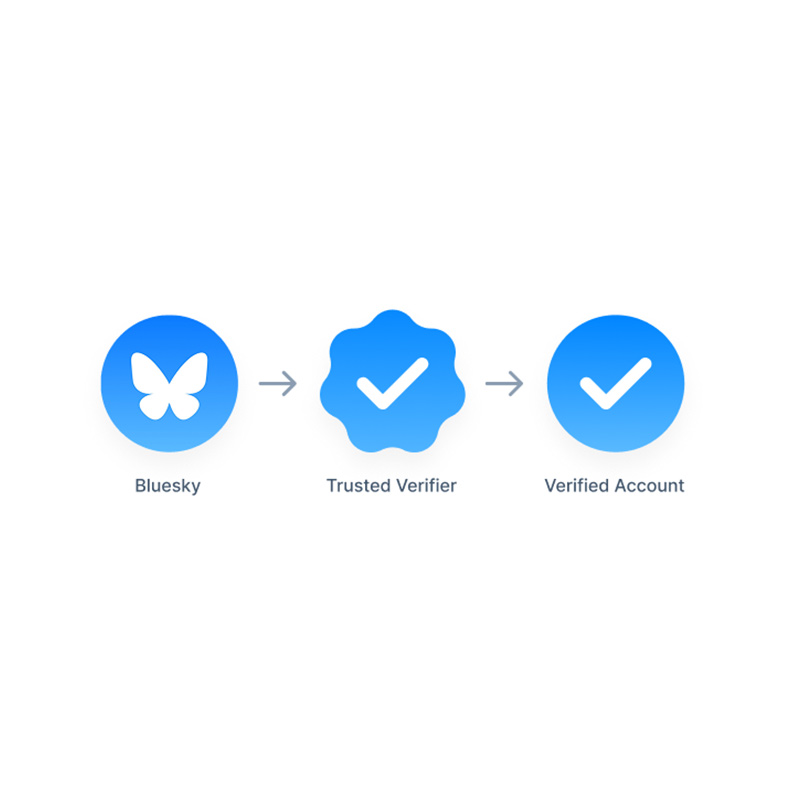
Unlike most others, Bluesky's official verification for the blue checkmark mixes the old-school, Twitter-style blue check bestowed by the platform, with a more decentralized option for trusted organizations.
In an announcement through a blog post, Bluesky said that:
In 2023, Bluesky introduced its first layer of verification by allowing individuals and organizations to use custom domains as their usernames.
This method helped users establish credibility by linking their identity to a domain they control. Since then, more than 270,000 accounts have connected their Bluesky handles to websites. Domain-based handles remain a key part of verification on the platform.
However, users have also expressed the need for a more visible way to identify authentic accounts.
In response, Bluesky is adding a new layer of verification—a simple blue checkmark.
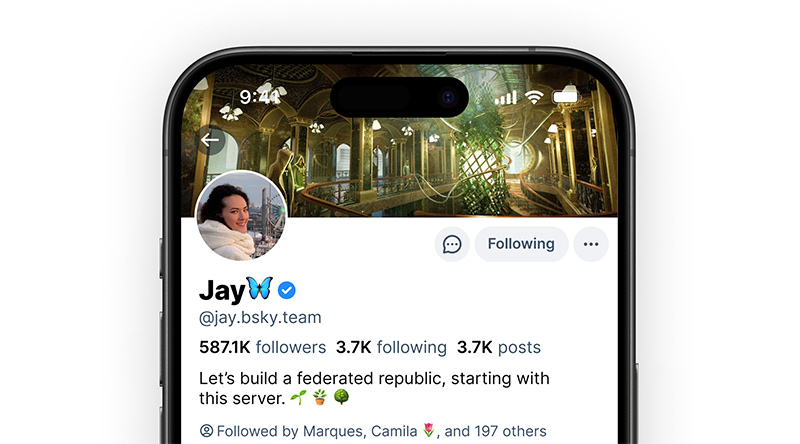
This visual indicator will be shown next to the names of accounts that Bluesky has proactively verified as authentic or notable.
In an example provided by Bluesky, its CEO, Jay Graber, is seen having a round marker displayed next to her name, signifying that she's a verified user profile.
This design replicates the rounded display of the Bluesky logo in the app.
In addition to internal verification, Bluesky is introducing a Trusted Verifiers feature, allowing selected independent organizations to verify accounts directly.
These verifications will still go through Bluesky’s review process to ensure they meet the platform’s authenticity standards.
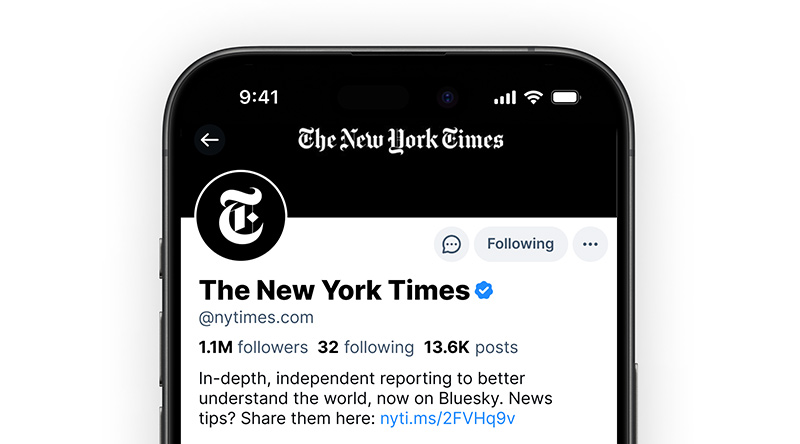
Bluesky explained that users can self-verify on the platform by setting a domain they control as their username—a method the platform strongly encourages, especially for official organizations and individuals.
At this stage, Bluesky is not accepting direct applications for verification.
As the new verification system becomes more established, the platform plans to introduce a request form for accounts that are both notable and authentic, whether they’re looking to be verified themselves or apply as trusted verifiers.
It's a step forward in helping users navigate identity and trust on the platform more easily.




















































































































































































































































































