Since the very first time the European Parliament wanted to make USB-C the common charging standard in the region, it was pretty obvious that the parliament wanted to force a company to follow suit.
Apple, the tech titan considered among the largest, the most influential, the most powerful, and the most iconic, has been in businesses for many years. And almost on that many years, the company controls pretty much every single industry it is in.
And in the smartphone business, there is no denying that the iPhone is the most popular, expensive phone in the market.
But in European Union's eyes, Apple has one thing it needs to change.
And that is its Lightning port and connector.
Apple has been holding its grounds. But the moment the regulation is signed, Apple has no other choice but to follow.
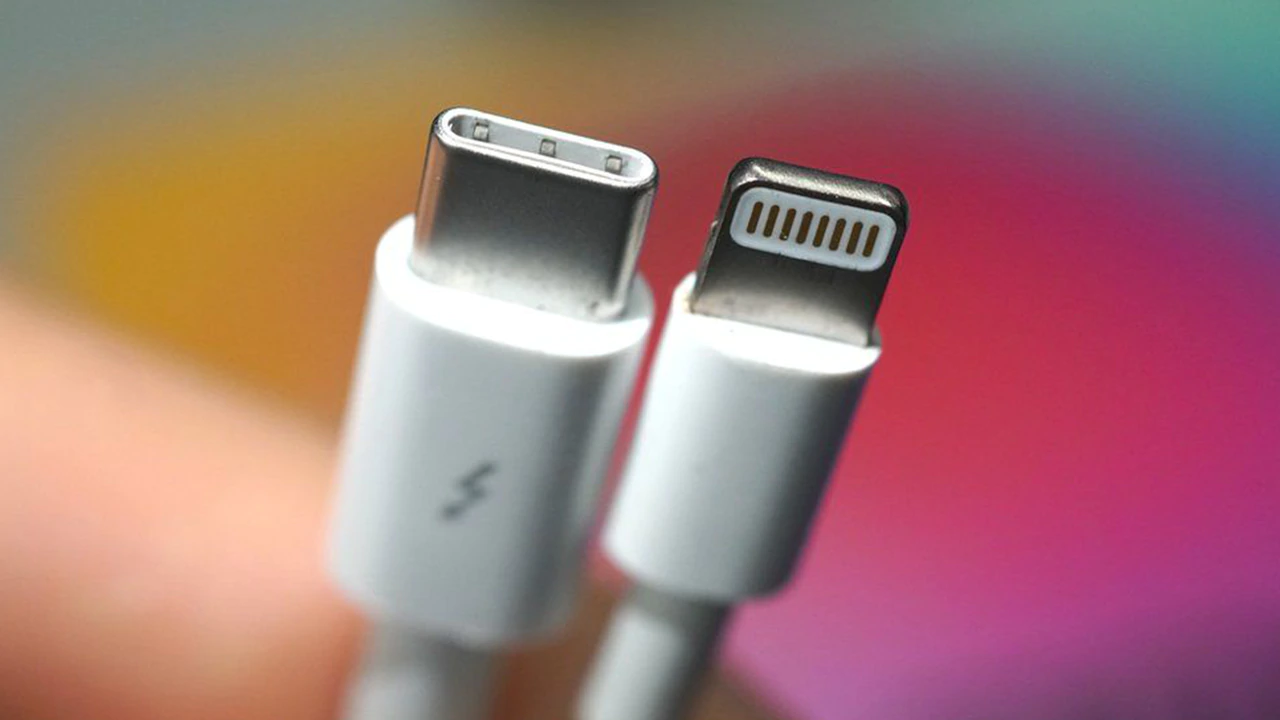
"Obviously, we’ll have to comply." said Apple's SVP of worldwide marketing Greg Joswiak, confirming that the tech giant is transitioning to USB-C connectors to comply with the EU's regulation.
Apple is known to develop technology that makes its devices compatible with various needs by coming up with its own solution because existing technologies at the time didn't work.
As for the USB-C, it's an advanced technology that is touted to be even more capable than Lightning.
Apple knows this well.
This is why the tech giant has already made its iPad models equipped with USB-C ports.
But for the iPhone, which is where Apple earns most of its money, retains its Lightning ports, because Apple can sell consumers the connectors. And since iPhone 12 series, Apple has been selling the connectors for the iPhones as a separate item.
The tech giant argued that doing allows it to save 861,000 tons of metal. This allows to also save fuel, since selling iPhones without chargers allow the company to fit more iPhones in shipping containers.
Joswiak said that the EU has been pushing for the adoption of micro-USB for a decade, simply because the EU is concerning the way people had to have several adapters with different connectors,.
What's more, Apple made cables detachable so that people can easily switch them out.
Joswiak said that the move allows more than a billion Apple consumers to continue using their Lightning cables instead of throwing them out and giving rise to a "bunch of e-waste."
Apple also previously cited environmental concerns for not selling power adapters with new devices.
While that makes sense, not everyone was convinced with the company's explanation, though.
Many think that Apple's main intention is to earn more money by selling less, for more.
Read: The European Union Agrees That USB-C Should Be The Standard For Chargers
Common charger adopted @EUCouncil has given its final approval to the common charger directive.
This means that in 2024, a USB-C port will become mandatory for many electronic devices such as mobile phones , tablets, and headphones
More— EU Council Press (@EUCouncilPress) October 24, 2022
But with the EU mandate, Apple has no other choice.
It cannot argue anymore, nor defend its purpose.
EU's rule "forces" Apple to ship iPhones and iPads with USB-C ports in the region by the end of 2024.
"We have no choice as we do around the world but to comply to local laws," Joswiak said, adding that Apple still disagree with the regulation.
"We think the approach would have been better environmentally and better for our customers to not have a government be that prescriptive," he said.
This statement is a rare public acknowledgement from Apple, a company regarded as one of the most valuable.
Apple has long been able to bend the rules and get away with accusations. But this time, the statement shows how in a government rule is able to shape its business.
"It's been a great connector and over a billion people have it already," Joswiak said. "The Europeans are the ones dictating timing for European customers."














































































































































































































































































