In an era where people are constantly connected through the commercialized internet and multiple forms of communication exist, such as smartphones, staying in touch with loved ones has become easier than ever.
This is why, during conflicts, one common strategy is to cripple communication systems.
Understanding that modern technologies are prone to disruption and that smarter devices tend to transmit and expose more data, some military personnel have turned to older gadgets for communication. These older devices provide a "low-tech" advantage—they are less susceptible to sophisticated tracking and surveillance techniques.
With fewer vulnerabilities than smartphones, which can be compromised through malware, spyware, and network tracking, these older tools are seen as safer in certain high-risk environments.
During Israel’s war with the Lebanese Hezbollah, this dynamic led Israel to adopt a much more lethal approach.
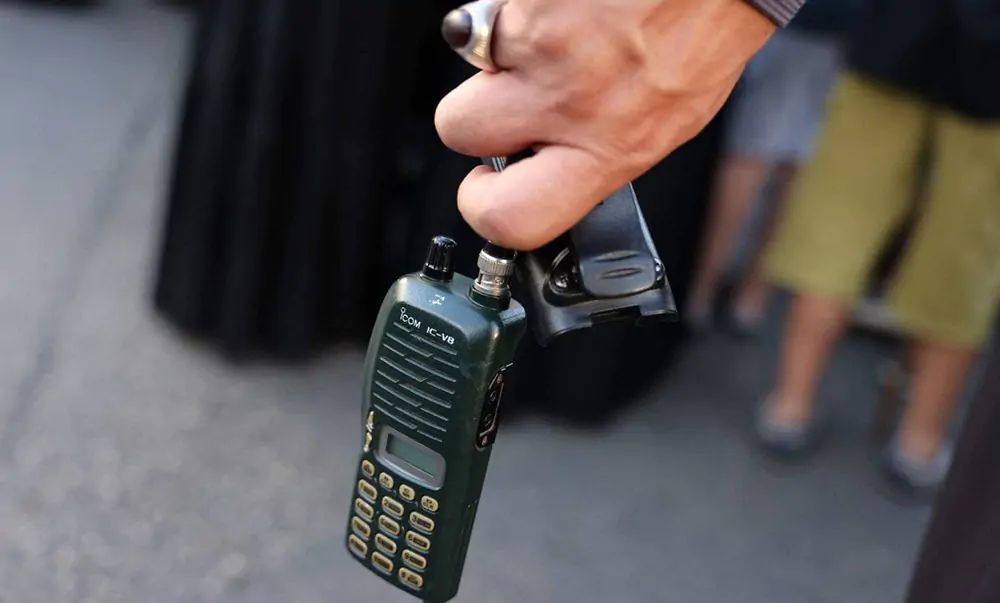
Instead of just attacking modern communications infrastructure, Israel reportedly exploited the low-tech nature of Hezbollah's devices, turning them into weapons—demonstrating how even outdated technology can be repurposed in modern warfare.
As part of the ongoing conflict between Israel and the Hezbollah, between September 17 and 18, 2024, thousands of pagers and walkie-talkies exploded simultaneously across Lebanon and Syria.
The attack was reportedly triggered by messages sent to these devices, causing them to explode.
In an attack that is highly unusual and sophisticated, hundreds of Hezbollah members were injured, dozens were killed, including civilians.
Among the blasts, included one that happened during a funeral in Beirut for three Hezbollah members, where a child was killed by the explosion.
Later, it's realized that more electronic devices detonated in Lebanon, and among those devices, include low-end mobile phones and laptops, as well as non-communication devices, like solar power cells and cars.
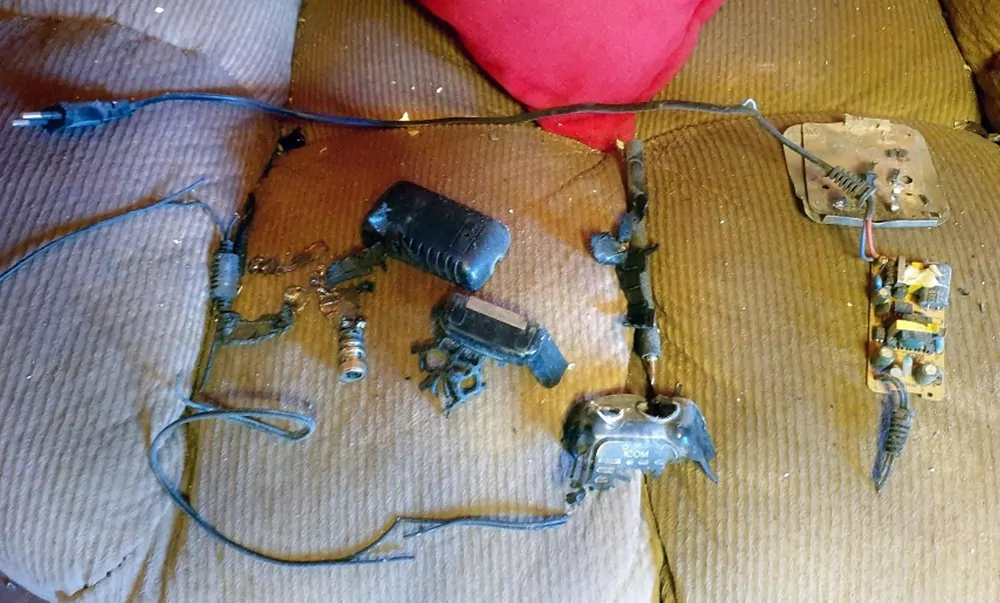
As to how these devices exploded, reports suggest that they have been rigged, and had small explosives planted inside them.
Experts suggest that very small amounts of explosives, such as PETN or TNT, could be used, and that due to how small was used per device, the explosive could be hidden in various parts of the device, such as the battery or other internal components.
To initiate the explosion, detonators would have been added.
Reports indicate that a specific message sent to the pagers or walkie-talkies acted as the trigger.
Upon receiving the message, the detonator detonated the embedded explosive, which weigh around 3 grams, using the rigged device's power source.
It’s believed that the explosives were integrated into the devices before they were delivered to Hezbollah. This means the tampering likely occurred during the manufacturing or distribution process.
Early reports found that devices that have been rigged, include Motorola LX2, Teletrim, and Gold Apollo Rugged Pager AR924.
Due to how sophisticated the attack was, and the many steps that were required to plan such attacks, reports suggest that it could have been a state-sponsored campaign.
And in this case, Israel could've been the mastermind, since the explosions happened during the long-standing conflict between Israel and Hezbollah.
Hezbollah has been a significant militant and political force in Lebanon, often clashing with Israel. The use of pagers and walkie-talkies by Hezbollah was seen as a secure way to communicate, avoiding more easily traceable modern technology.

Pagers and walkie-talkies run on a different wireless network than mobile phones, which usually makes them more resilient in times of emergency.
Not to mention, the Hezbollah has a long history of using these devices for years, and they have been integrated into their communication protocols for a long time.
This familiarity and established infrastructure made them a trusted choice.
And more recently, Hezbollah's secretary-general, Hassan Nasrallah, has warned the group’s members not to carry cellphones, saying they could be used by Israel to track the group’s movements.
The explosions show that even these methods can be compromised.
At first, Israel didn't claim responsibility, but later neither confirm or deny the allegation.
The attacks, which are then believed to be carried out by Israel, have hiked fears that the two sides’ simmering conflict could escalate into all-out war.
The explosions have also deepened concerns about the scope of potentially compromised devices, particularly after such bombings have killed or injured so many civilians.
Not to mention, reports also relate the attacks to the helicopter crash that killed Ebrahim Raisi, its president at the time.
It's said that Raisi had been seen with the rigged pager at some point before the deadly crash.

Reports suggest that Israel had been planning this campaign for years.
The operation allegedly involved creating a fake manufacturing company that secured a contract to supply communication devices to Hezbollah. These devices were secretly modified into remote-controlled explosives.
Mossad, Israel's intelligence agency, targeted Hezbollah due to its role as a proxy for Iran's theocratic regime.
Unlike Hamas, which operates within Palestinian territories that Israel has historically sought to control or occupy, Hezbollah's members reside in Lebanon, making the group more challenging for Israel to confront directly.
Since the surprised attack by Hamas to Israel, the Hezbollah has been actively bombarding parts in northern Israel, raining daily fire across the border, destroying small towns, forcing more than 60,000 Israelis to flee out of their homes.
While many political and military experts have praised the precision of the attacks, with some calling them a tactical masterstroke akin to a James Bond-style operation, the strikes have been widely condemned in Europe and elsewhere for being indiscriminate.
The criticism stems from the fact that not every Hezbollah operative was alone when their pager detonated.
Given that the explosions occurred in bustling areas like Beirut and Sidon, where everyday people were going about their lives, the attacks have sparked widespread condemnation for the resulting fear and anxiety they have sown among civilians.
Critics are suggesting that Israel might constitute war crimes or acts of terrorism.
Prime Minister Benjamin Netanyahu:
"I have a message for the people of Lebanon:
Israel's war is not with you.
It's with Hezbollah.
For too long, Hezbollah has been using you as human shields. It placed rockets in your living rooms and missiles in your garage. pic.twitter.com/yfzAquJooE— Prime Minister of Israel (@IsraeliPM) September 23, 2024
Read: The 'Greater Israel' Map On Israeli Soldier's Uniform Patch Becomes An Internet Debate






















































































































































































































































































