The digital dawn broke with a seismic tremor that rippled across the internet.
This happened as the United States Department of Justice, under the weight of the Epstein Files Transparency Act signed into law by President Donald Trump the previous November, unleashed more than 3 million pages of documents, alongside 180,000 images and over 2,000 videos, into the public domain.
Officially made available on the U.S. Department of Justice website, the materials are searchable and downloadable format as required by law, split into thousands of individual PDF files, organized into Data Sets (at least 12 sets in the main DOJ Disclosures section), plus separate handling for images and videos.
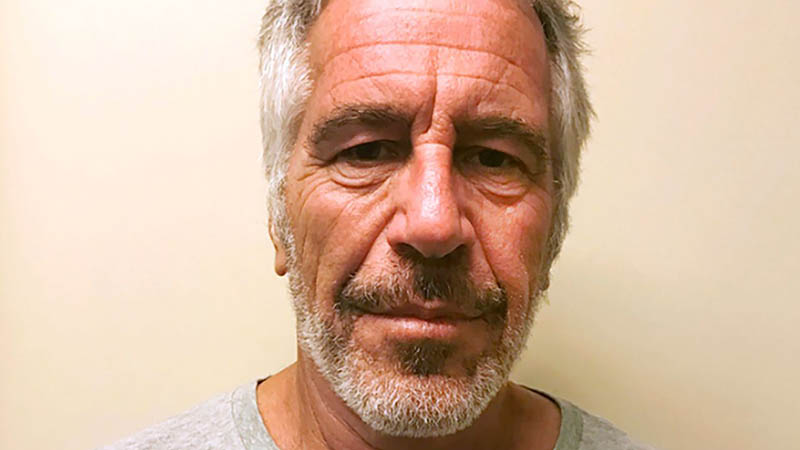
This was no ordinary document dump. It was what people have been waiting to know following the tormented saga of Jeffrey Epstein, the financier whose name had become synonymous with shadows, power, and unspeakable betrayal.
For years, survivors had waited in anguished silence while the world speculated, raged, and sometimes forgot. Epstein's 2019 death in a Manhattan jail cell, officially ruled a suicide, had only deepened the wound, leaving questions to fester like open sores. The 2008 Florida plea deal that let him evade federal charges for years. The private island where young girls were allegedly trafficked to the elite. The black book of contacts that read like a who's-who of global influence.
And now, finally, the floodgates had opened, or so it seemed.
Yet even in this moment of supposed reckoning, the air felt thick with unease.
First, the release came more than six weeks late, missing the December 19, 2025, congressional deadline that had sparked bipartisan fury. Deputy Attorney General Todd Blanche stood before cameras, calm and measured, declaring the department's compliance: more than 3 million pages made public after, with the rest withheld for reasons ranging from child sexual abuse material to victim privacy protections.
"The entire world can look at [these documents] now and see if we got it wrong," he said, a challenge wrapped in finality.
But the world was already looking, and recoiling.
Within hours, the internet ignited.
Forums, threads, and livestreams became battlegrounds. Amateur sleuths, armed with search functions and outrage, pored over PDFs that spanned emails, flight logs, internal FBI notes, and investigative reports. Names surfaced like ghosts:
President Donald Trump is mentioned numerous times, often in passing or gossip-laden contexts; Bill Clinton is associated with frequent flights; Elon Musk appears in scattered references; and Prince Andrew is referred to cryptically as “The Duke” in Epstein’s correspondence.
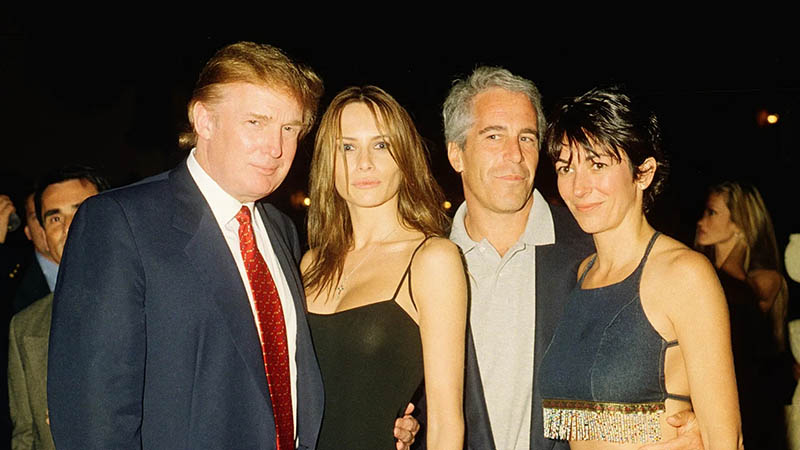

Bill Gates is named with extensive mentions in the files, along with Larry Summers, Sergey Brin, Peter Thiel, Richard Branson, Al Gore, Robert F. Kennedy Jr., Ehud Barak, Steve Bannon, Howard Lutnick, Steve Tisch, Peter Mandelson, Sarah Ferguson, Princess Mette-Marit of Norway, Noam Chomsky, Woody Allen, Michael Jackson, Sir Mick Jagger, David Blaine, Naomi Campbell, Chris Tucker, David Copperfield, Ralph Fiennes, Michael Wolff, Katie Couric, Martha Stewart, and others.
Others from prior/ongoing Epstein document contexts (carried over or re-mentioned): Alan Dershowitz, Michael Jackson, Stephen Hawking, Bill Richardson, Les Wexner, and more.
Old allegations also resurfaced, as well as lists of sexual assault claims compiled by the FBI, including ones tied to powerful figures, fueling fresh accusations and furious denials.
The drama turned tragic almost immediately.

Victims' advocates sounded the alarm: dozens of unredacted names of survivors appeared in the files, alongside nearly 40 nude images, some possibly of minors, that should never have seen daylight.
Lawyers for nearly 100 victims described lives "turned upside down" by the exposure. The DOJ scrambled, pulling "several thousand" documents and media files in a hasty correction blamed on "technical or human error." One survivor, Maria Farmer, spoke of "unbelievable sadness" and disgust, yet clung to a fragile hope: transparency, however flawed, still mattered.
The redactions told their own haunting story: random black bars shielding some powerful connections while others lay bare.
Conspiracy theorists seized on the gaps, claiming cover-ups; skeptics pointed to the sheer volume as proof of exhaustive effort. Democrats in Congress demanded access to unredacted versions, questioning why half the collected pages remained hidden. Republicans and others urged moving on, insisting no new prosecutions loomed.
Yet the files revealed Epstein's web extending far beyond his 2008 conviction: relationships with Hollywood, finance, and politics persisting long after he was a known predator.
Read: Reddit 'Data Hoarder' Creates 'Epstein Archive,' A Searchable Database Of Jeffrey Epstein Files
In this digital coliseum, every mention became ammunition.
Threads dissected emails where Epstein gossiped about politics or shared news clippings. Images, some innocuous, others devastating, circulated in screenshots before takedowns. Videos, thousands of them, promised revelations that might never fully materialize amid the noise. The internet's collective sleuthing was relentless, a chaotic symphony of hope, horror, and cynicism.
Survivors' voices cut through: calls for justice, not spectacle; for accountability, not endless speculation.
And yet, the deepest wound remains untouched.
Epstein is gone. Ghislaine Maxwell sits in prison. But the powerful figures who orbited his world, whether complicit, complicitly blind, or merely adjacent, continue untouched by new charges. The DOJ insists its review is complete; no bombshells warrant fresh indictments. The files are out there now, a vast, messy testament to how evil can hide in plain sight among the elite.
For the survivors, this release is both catharsis and fresh trauma, a long-overdue light shone on darkness, yet flickering with inconsistencies and pain.
For the rest of the world, it is a mirror: reflecting not just one man's depravity, but a society's willingness to look away when the stakes are high. The documents are public. The questions endure. And somewhere in the millions of pages, the truth, fragmented, redacted, contested, waits for those brave enough to keep searching.
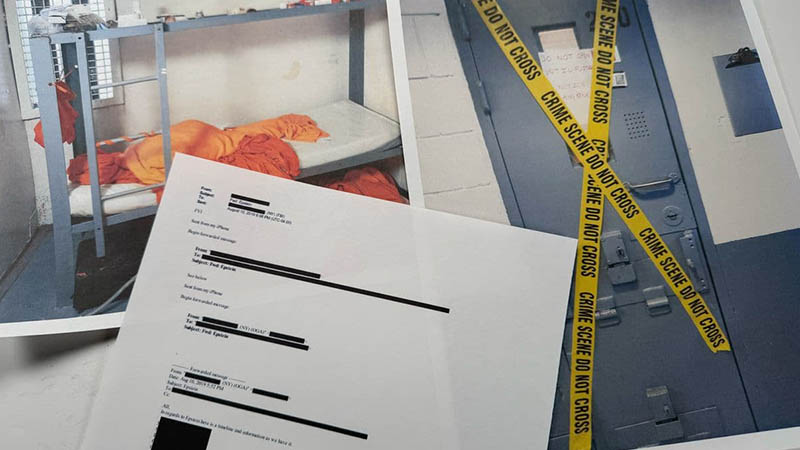
With over 3 million pages (often rounded to 3 million or 3+ million; some reports say ~3.5 million total across all releases including prior smaller tranches), the release is considered the largest single release about Epstein.
It's worth noting that the DOJ has reviewed more than 6 million potentially responsive pages overall, but withheld roughly half (~3 million) for reasons like victim privacy, child sexual abuse material (CSAM), attorney-client privilege, duplicates, or unrelated content.
In the end, the Epstein files were not a situation where powerful people quietly erased themselves from history. The redaction process was controlled solely by the U.S. Department of Justice under a law specifically designed to prevent edits based on embarrassment, reputation, or political status. The only permitted redactions were narrow and victim-focused: names, identifying details, and sensitive material involving abuse or ongoing investigations.
What followed wasn’t evidence of elite protection, but of scale and failure.
Millions of pages were processed, and while the DOJ insisted prominent figures were not shielded, serious redaction errors exposed victim information, triggering backlash and emergency corrections. Survivors could request fixes after release; non-victims had no mechanism to pre-emptively remove their names.
So the story of the release isn’t one of secret self-scrubbing by the powerful. Instead, it’s one of an unprecedented document dump, strict transparency rules, and a chaotic execution that struggled to balance public disclosure with victim privacy.




















































































































































































































































































