
In just a few short days since its early launch on April 17, 2026, Capcom's Pragmata has taken the gaming world by storm.
The new sci-fi action-adventure has already surpassed one million units sold, earned overwhelmingly positive reviews, and sparked nonstop conversations across social media, forums, and streaming platforms.
What started as a relatively quiet new IP has become one of the most talked-about games of the year, and for good reason.
At its heart, Pragmata gives players something many didn't know they were missing: a genuinely wholesome, emotionally resonant father-daughter-like story, that is set against the backdrop of a mysterious lunar research station.
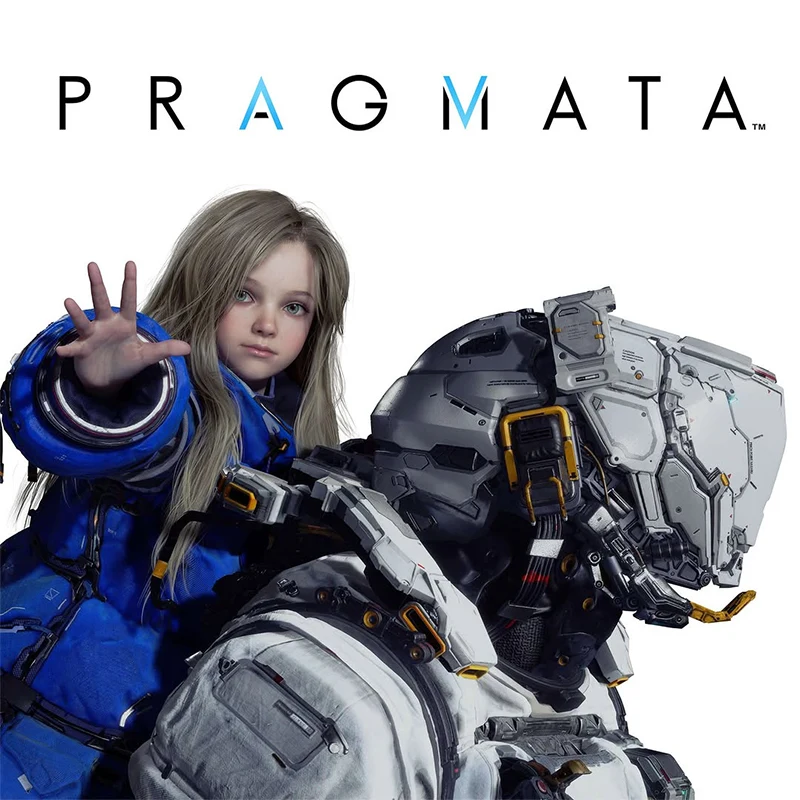
Players play as Hugh Williams, a rugged spacefarer, teamed up with Diana, a child-like android who becomes his constant companion.
Their relationship unfolds naturally through quiet protective moments, piggyback rides through abandoned facilities, shared puzzles, and heartfelt conversations.
The internet needs this kind of thing, but despises it at the same time.
We are GO for launch!
Hugh and Diana's lunar journey has begun in #PRAGMATA, Capcom's new sci-fi action adventure game with a hacking twist and an emotional story.
Out now on PS5, Xbox Series X|S, PC, and Nintendo Switch 2. pic.twitter.com/xpfAh5GdM4— PRAGMATA (@PRAGMATAgame) April 17, 2026
[Press Release]
"All-New IP PRAGMATA Surpasses One Million Units Sold in Two Days! - Highly innovative and original gameplay earns strong reception from players around the globe -" added.https://t.co/JFoIf3ACRI pic.twitter.com/edf6CPp5hp— Capcom IR (@Capcom_IR) April 20, 2026
First off, Hugh isn't a tragic, broken "sad dad" archetype. Instead, he is a capable, caring guardian figure who simply wants to keep Diana safe and help her fulfill her dream of seeing Earth.
This warm dynamic has triggered massive "dad instincts" in players.
Clips of Hugh shielding Diana during combat or gently interacting with her have flooded timelines, with many calling him "Space Dad" and even joking that it's Japan’s clever attempt at birth rate propaganda. For a generation tired of dark, cynical narratives, this wholesome bond feels refreshing and deeply moving.
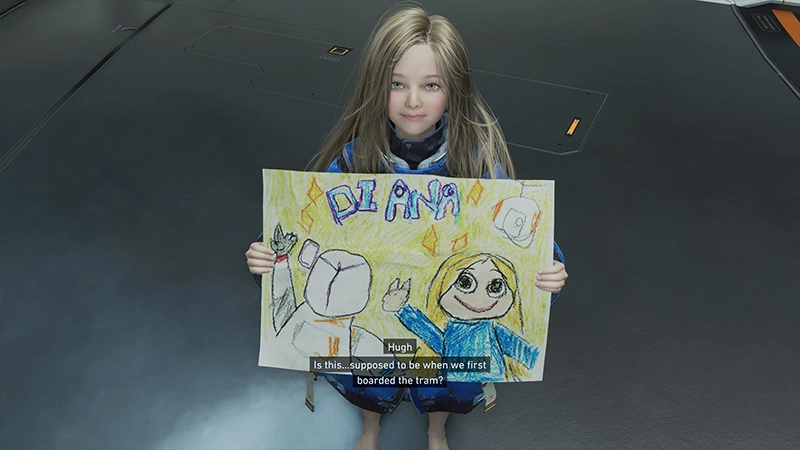
A huge part of what makes Diana so believable and lovable is the technical wizardry behind her.
Capcom pushed their RE Engine to new heights specifically for her long, flowing hair.
Hugh and Diana's fateful first meeting #PRAGMATAMoonBytes - Part 12 pic.twitter.com/OQiLB2tvSu
— PRAGMATA (@PRAGMATAgame) April 9, 2026
Similar to the shorter-hair techniques used in previous Capcom titles, most notably Resident Evil Requiem, Diana's hair in Pragmata uses RE Engine's advanced strand-based physics simulation with thousands of individually simulated strands, but customized specifically for the game.
Diana: Character Spotlight #PRAGMATAMoonBytes - Part 10 pic.twitter.com/h0GF9kPxtf
— PRAGMATA (@PRAGMATAgame) April 7, 2026
In Resident Evil Requiem, both Grace Ashcroft and Emily feature short hairstyles. In contrast, RE Engine was tweaked for Pragmata, in order to apply the results to Diana's long hair, deliberately emphasizing the complexity and motion of a child character's flowing strands.
Every strand reacts realistically to movement, wind, gravity, combat actions, and even Hugh carrying her.
Your name is...Diana #PRAGMATAMoonBytes - Part 15 pic.twitter.com/03s5jZsX1u
— PRAGMATA (@PRAGMATAgame) April 14, 2026
Diana's All-Out Dance Moves! #PRAGMATAMoonBytes - Part 18 pic.twitter.com/gFLA7sZlps
— PRAGMATA (@PRAGMATAgame) April 20, 2026
Combined with ray-traced rendering, the hair catches light beautifully, bounces with natural weight, and flows dynamically through environments. Developers had to request new features from the RE Engine team just to achieve this level of detail, and the result is positive.
Many players and tech enthusiasts have praised how the hair doesn't just look good, as it also real personality and life to Diana, making every interaction feel more intimate and human.
This breakthrough is already being hailed as a major step forward that will benefit future Capcom games, proving once again why the RE Engine remains one of the most impressive in the industry.
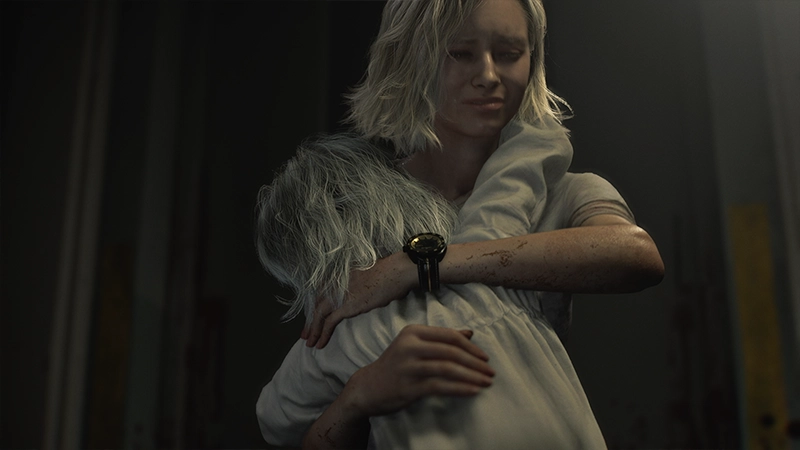
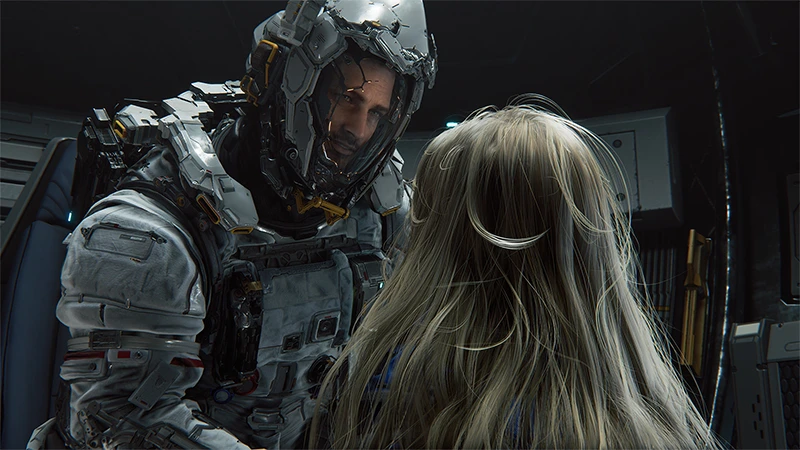
The gameplay itself deserves plenty of credit for the game's success.
Pragmata cleverly blends third-person shooting with real-time hacking and puzzle mechanics. Using Diana's abilities, players can slow down time, weaken enemies, solve grid-based environmental puzzles, and uncover secrets in the abandoned moon base. The campaign is focused and relatively short (around 8 to 12 hours), but it's packed with tight combat, clever level design, and beautiful sci-fi visuals.
There's no filler, no unnecessary open-world bloat, just a polished, linear experience that respects the player's time.
Critics have given it strong scores in the mid-to-high 80s, with some calling it a potential Game of the Year contender for its fresh approach and emotional payoff.
Yet, not everyone is celebrating.
The same innocent, protective father-daughter relationship that won over so many has also attracted significant controversy.
Screen time for Diana! #PRAGMATAMoonBytes - Part 1 pic.twitter.com/TBB06kuKMm
— PRAGMATA (@PRAGMATAgame) March 24, 2026
Diana's determination #PRAGMATAMoonBytes - Part 8 pic.twitter.com/H7vlos1B1x
— PRAGMATA (@PRAGMATAgame) April 3, 2026
Some online voices and even a few critics have accused the game of questionable undertones due to Diana's youthful android design, labeling her "loli bait" or worse. This has led to heated debates about character design ethics, fan art boundaries, and whether a child-like android can exist in games without controversy.
Subreddits have seen drama, bans, and fiery arguments, while videos calling out the backlash have racked up hundreds of thousands of views.
In an example, Reddit has banned a subreddit, which was flooded with sexualized content about the child-like android Diana, violating rules against suggestive minors. One mod even quit over the "pedo shit" problem. Another example is when a user on X got banned after criticizing Capcom's decision to censor Diana's design, specifically the addition of mesh-like clothing under her skirt.
As a result of these, the classic Streisand effect kicked in hard.
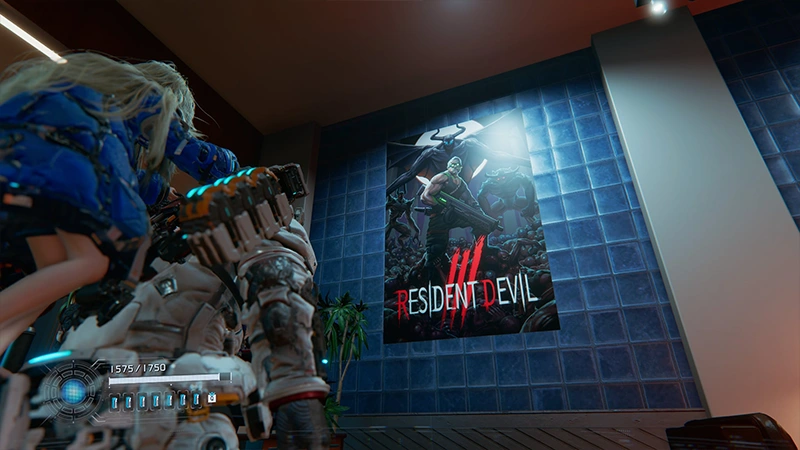
The phenomenon where attempts to hide, remove, or censor information backfire, resulting in the information becoming widely publicized, often going viral. The more people admire the game, and the more people who complaned, the more others jumped in to defend the wholesome story and experience the game for themselves.
This perfect storm of heartfelt storytelling, cutting-edge technical achievements like Diana's stunning hair physics, addictive hybrid gameplay, and culture-war-fueled drama is exactly why Pragmata went viral so quickly.
In an era where many big-budget games feel bloated, safe, or disconnected, Capcom delivered something focused, emotional, and technically impressive.
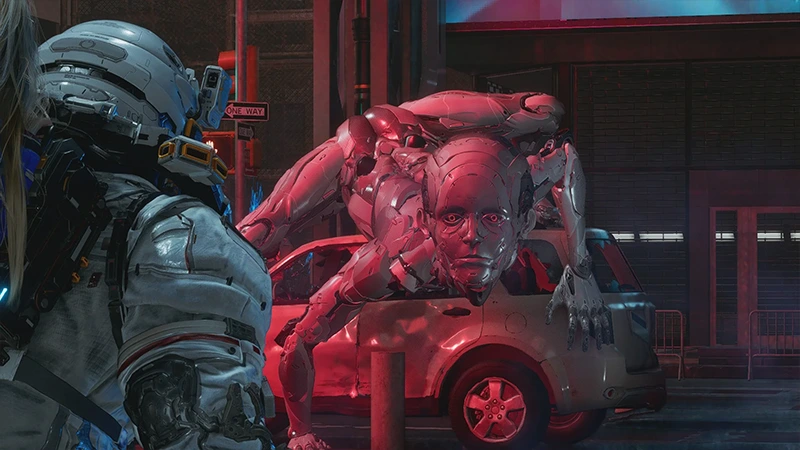
Whether players are drawn in by the touching bond between Hugh and Diana, the satisfying shooting-and-hacking combat, or simply mesmerized by how that RE Engine hair looks in motion, the game has struck a chord that few titles manage these days.
Ultimately, Pragmata proves that gamers were hungry for sincerity and warmth.
The internet clearly needed this wholesome dad game, even if it couldn't stop arguing about it along the way.