While war may benefit a few people with influence and power, but for the rest of the people, war is never a good thing.
People may have different opinions regarding wars. But most people should know that wars can cost lives, political tensions, and lots of blood and tears that can last for generations.
And if reflecting to the past, the worst thing that can ever happen during a war, is the utilization of nuclear warheads to wipe out entire cities.
During Russian's invasion of Ukraine, things in the regions are pretty tense already. All it needs, is a little bit of directed announcement to make a mass panic.
This is what exactly happened, when Russians were warned to take anti-radiation pills and rush to their nearest nuclear bomb shelters.

The announcement was made by TV and radio programs in Moscow and the Sverdlovsk region, including Yekaterinburg city.
At that time, regular shows were interrupted with the alarming message to use gas masks after a missile strike.
“Urgent message, there was a strike. Urgently go to a shelter," viewers were told, as a map of Russia displayed the country turning red from west to east. "Seal the premises. Use gas masks of all types. In the absence of gas masks, use cotton-gauze bandages."
Viewers were also presented with a black and yellow radiation warning symbol with a message urging people "immediately to shelter."
"Take potassium iodide pills. Keep calm. If you feel worse, go to the nearest medical facility," the message added.
Reports said that other regions including Arkhangelsk were also hit by the warnings, and so too on Russian-occupied parts of Kherson region in Ukraine where radio program were also interrupted.
People in the regions know it too well about the Chernobyl disaster, which happened back in 1986, and how the No.4 nuclear reactor near the city of Pripyat in the north of the Ukrainian SSR in the Soviet Union made headlines.
It took the government hundreds of thousands of personnel, and billions upon billions of rubles to contain, decontaminate and medications.
The worst thing that could ever happen, is having yet another radiation contamination, let alone a nuclear attack.
The chilling broadcast reportedly swept and came as Russian President Vladimir Putin continues to ramp up his ongoing war against Ukraine.
Russians panicked, and many were terrified.
But that apparently, was all a fake.
The messages that were seen on TV and heard on radio stations were a result of a hack by irresponsible malicious actors.
The hack was so widespread, with the potential to cause disruption and chaos, that it forced the Ministry of Emergency Situations of the Russian Federation to respond.
The ministry released a statement assuring residents that a "false air raid alert was broadcast in Moscow after servers of radio stations and TV channels were hacked."
The Russian Emergencies Ministry said that hacking was responsible for the false alarm, and that this is the third such case in the past month alone.
But, it's the first in which viewers were warned to take anti-radiation pills.
Hackers have frequently targeted Russians with messages of fake attacks since the country launched its attack on neighboring Ukraine.
Before this, the first hoax about a missile strike was the one that included a siren on February 22 that broadcasted an "air raid alert." The second one was a fake news broadcasting a "missile threat," made about a week later.
In total, the hacking instances have sent millions of Russians across different time zones to rush to air raid shelters.
It's worth noting that before the fake nuclear strike, streaming services in Russia were hacked and taken offline during Russian President Vladimir Putin's state-of-the-nation address.
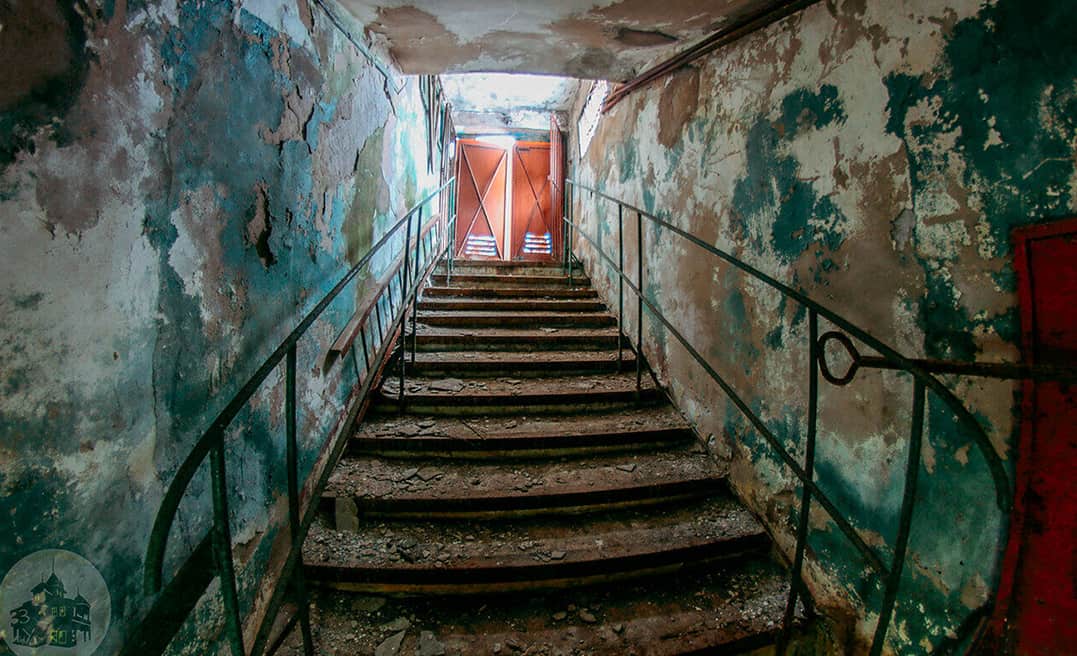
With experiences being involved in World War I and World War II, and the Cold War, the government certain knows how air raids can happen during wars, and how the best way to hide from attacks coming from above is by hiding further below.
But during Russia's war with Ukraine, besides shelters made during past wars, Russians also reportedly built their own bomb shelters in their own homes as concerns about the potential use of nuclear weapons by President Vladimir Putin grow.
The demand for personal bomb shelters is growing, in which according to local medias, many construction companies specializing in building bunkers in homes have been hired, and that they're seeing increase in inquiries.
And regarding potassium iodide, it's a chemical compound, medication, as well as a dietary supplement.
But it's more purposefully used to treat hyperthyroidism, which can happen during radiation emergencies. Potassium iodide can help protect the thyroid gland when the user is exposed to certain types of radiation.
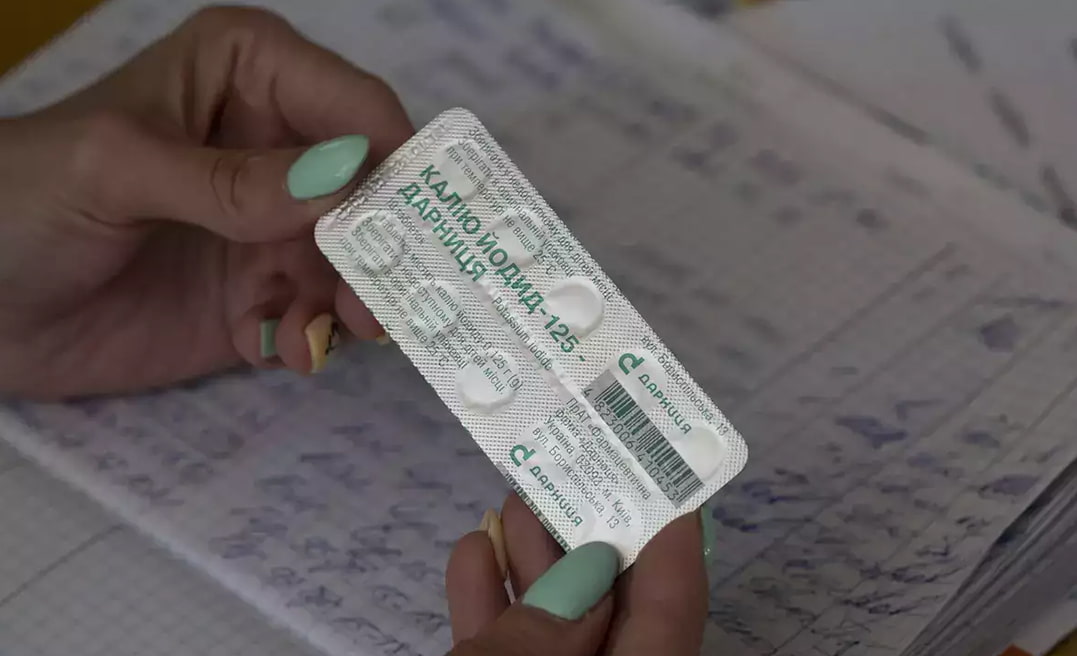
Amid a nightmare scenario of nuclear fallout, some Europeans and U.S. citizens have become fearful of an escalation in Russia’s war on Ukraine that they've taken steps to stock up on potassium iodide tablets.
This is because the war has heightened fears about nuclear exposure.
In Russia alone, the demand for potassium iodide has increased significantly since the war.
In the first 10 months of the war, for example, a total of more than 850,000 packets of potassium iodide worth some 115.2 million rubles were sold in Russia.
Yandex, the search engine of Russia, recorded a sevenfold increase in inquiries for potassium iodide in September 2022. The search engine also reported a similar growth of other drugs that mitigate the effects of radiation, compared to September 2021.




















































































































































































































































































