Noelia Castillo Ramos was just twenty-five years old when she died on March 26, 2026, in a sociosanitary center (Consorci Sanitari) in Sant Pere de Ribes near Barcelona.
The procedure was legal under Spain's 2021 euthanasia law, administered through intravenous drugs that induced deep sedation followed by respiratory arrest. It took less than thirty minutes. She had asked to be alone in the room for the final moments, even as her mother and others waited nearby after emotional goodbyes.
Her last public words, shared in a television interview days earlier, were heartbreakingly simple: she was tired of suffering, she wanted to leave in peace, and she had been clear about her decision from the beginning.
None of her family supported euthanasia, she acknowledged, but after years of unrelenting physical and psychological torment, she saw no other path that preserved her dignity.
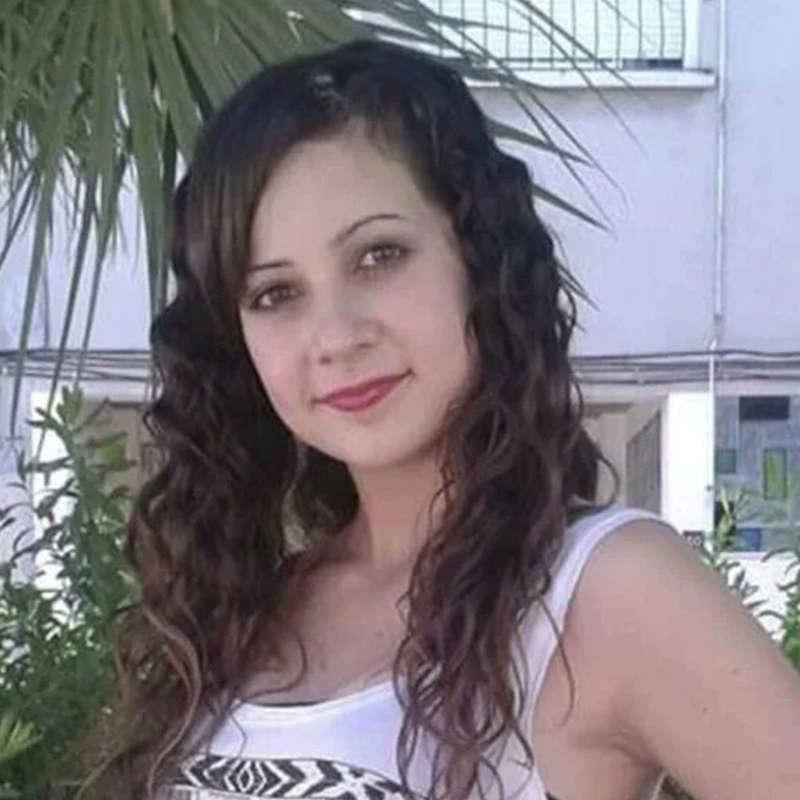
Her story did not begin with a single event but unfolded through layers of trauma that exposed cracks in the systems meant to protect vulnerable young people.
Noelia spent much of her childhood in care homes. She was diagnosed with conditions including obsessive-compulsive disorder and borderline personality disorder. She described three separate sexual assaults over the years.
The first came from a boyfriend she had dated for four years. A second incident occurred in a nightclub setting where two men attempted to abuse her. The third, the one that shattered what remained of her stability, happened in 2022 while she was living in a state-supervised center for vulnerable youth.
There, she said, three men gang-raped her in an entertainment venue.
She did not report that assault to police.
Days later, on October 4, 2022, overwhelmed by the fresh violation and the cumulative weight of her pain, she jumped from a fifth-floor window. Her father witnessed the fall. She survived, but the impact left her paraplegic, paralyzed from the waist down, with severe spinal cord damage and constant, excruciating physical pain layered on top of deep psychological scars.
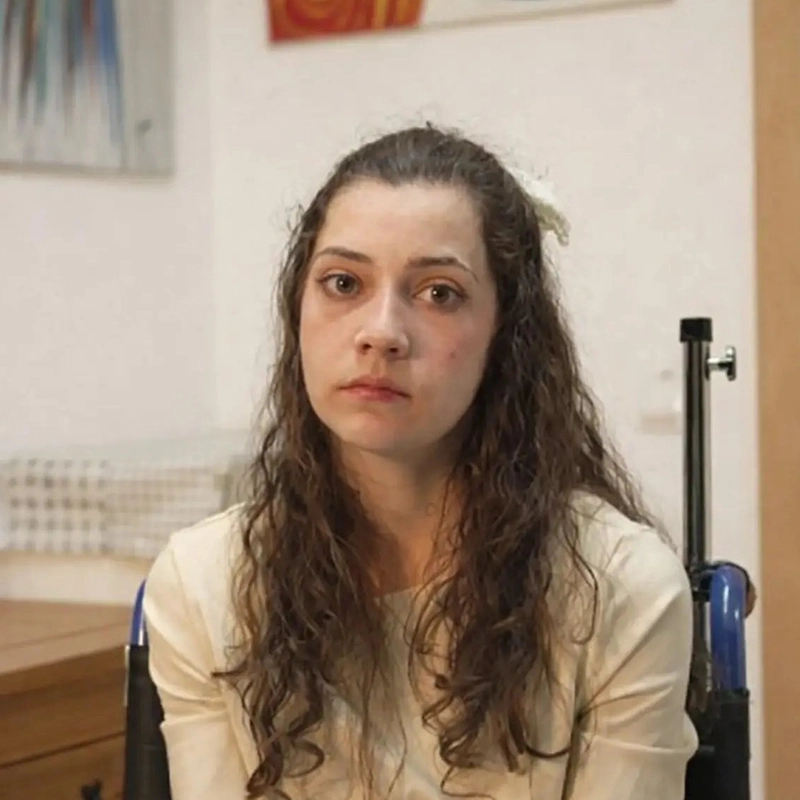
In April 2024 she formally requested assisted death, citing unbearable suffering from her irreversible condition.
The Catalan Guarantee and Evaluation Commission reviewed her case and approved it unanimously months later, determining that she met the legal criteria of serious, incurable suffering while remaining mentally competent.
Her father, supported by the conservative group Abogados Cristianos (Christian Lawyers), launched an intense legal battle that dragged on for over 600 days.
Appeals climbed through multiple courts, including the Supreme Court, the Constitutional Court, and even a last-minute effort at the European Court of Human Rights. All were rejected.
The family division was raw and public. Noelia expressed frustration that her father had never respected her wishes, while he and his legal team argued that her psychiatric history, particularly borderline personality disorder, impaired her capacity to make such a permanent decision. They insisted the state was abandoning her by offering death instead of exhaustive mental health treatment and support.
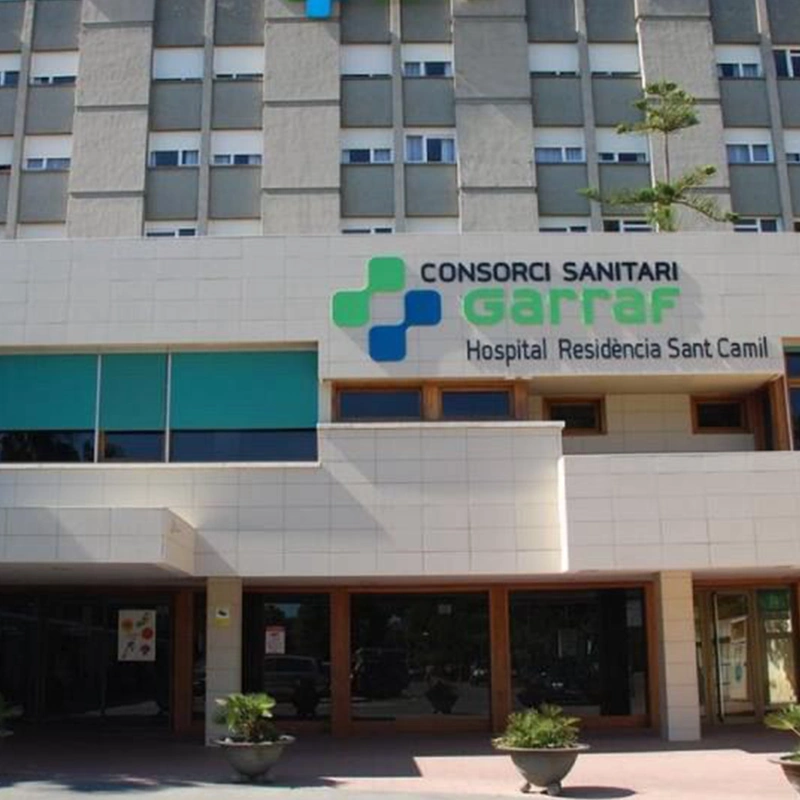
The euthanasia went ahead on that Thursday evening.
Small groups gathered outside the facility, some in quiet mourning, others protesting what they saw as a profound societal failure. Catholic bishops across Spain spoke out sharply afterward.
"We have all failed as a society," said one bishop, framing the case as another step toward a "culture of death" where doctors are asked to end life rather than heal or accompany. Critics argued that Spain’s euthanasia law, while requiring strict medical review, had become too permissive for young people with complex trauma and psychiatric conditions.
They pointed out that better, sustained alternatives, intensive trauma therapy, advanced pain management, robust disability support, and genuine community care, should have been exhausted first. Instead, the system appeared to many as prioritizing the right to die over the duty to help someone live with dignity despite profound suffering.
Noelia’s case exploded across the internet once her final television interview aired on Y ahora Sonsoles.
The story went viral, sparking furious debate in Spain and beyond. Hashtags, threads, and shares flooded social media. People expressed horror at the details of the assaults, the suicide attempt, and the long legal fight. Some condemned the state for failing to protect her in the care system where one of the rapes allegedly occurred. Others accused the euthanasia framework of offering a quick exit to a traumatized young woman rather than investing in her recovery.
Conservative voices and religious groups amplified calls to repeal or reform the 2021 law, arguing it enabled abandonment. Supporters of personal autonomy countered that Noelia was an adult who had repeatedly affirmed her choice after careful evaluation, and forcing her to endure what she described as intolerable pain would itself be cruel.
The internet did not stay silent.
It amplified her voice in ways traditional media alone might not have.
It generated visible outrage and empathy. British pianist James Rhodes, who lives in Spain, publicly messaged her on social media, offering to cover all her medical and psychological expenses for as long as needed so she could reconsider her decision from "a more tranquil place." Others sent messages urging her to hold on, sharing stories of recovery from trauma, or offering practical support.
For a brief window, the spectacle of her pain drew global attention, turning a private tragedy into a national referendum on dignity, suffering, and the role of the state.
Yet this is precisely where the limits of internet outrage became painfully clear.
The flood of posts, petitions, and public appeals arrived late: years after the assaults, after the jump that changed her body forever, after she had already spent months navigating bureaucracy and family opposition.
Viral empathy can raise awareness and even produce isolated gestures of help, but it struggles to deliver the sustained, professional, offline infrastructure that someone in Noelia's position needed: consistent trauma-informed therapy that addresses both sexual violence and borderline personality traits, specialized pain management for paraplegia, reliable housing and independence support, and a care system that actually safeguards vulnerable youth rather than exposing them to further harm.
Algorithms reward division and spectacle, dueling tribes shouting "autonomy" versus "sanctity of life," more than they fund long-term rehabilitation programs or reform broken care homes.
Misinformation also swirled.
Early rumors wrongly placed the gang rape inside a migrant shelter by foreigners, a narrative some pushed for political reasons until Noelia herself clarified in her final interview that the assaults involved different circumstances and people. The online noise turned parts of her suffering into culture-war fodder, distracting from the quieter, harder questions about prevention and healing.
When the procedure finally happened, the internet moved on quickly to the next outrage, leaving behind performative grief and fresh accusations but little evidence of systemic change.
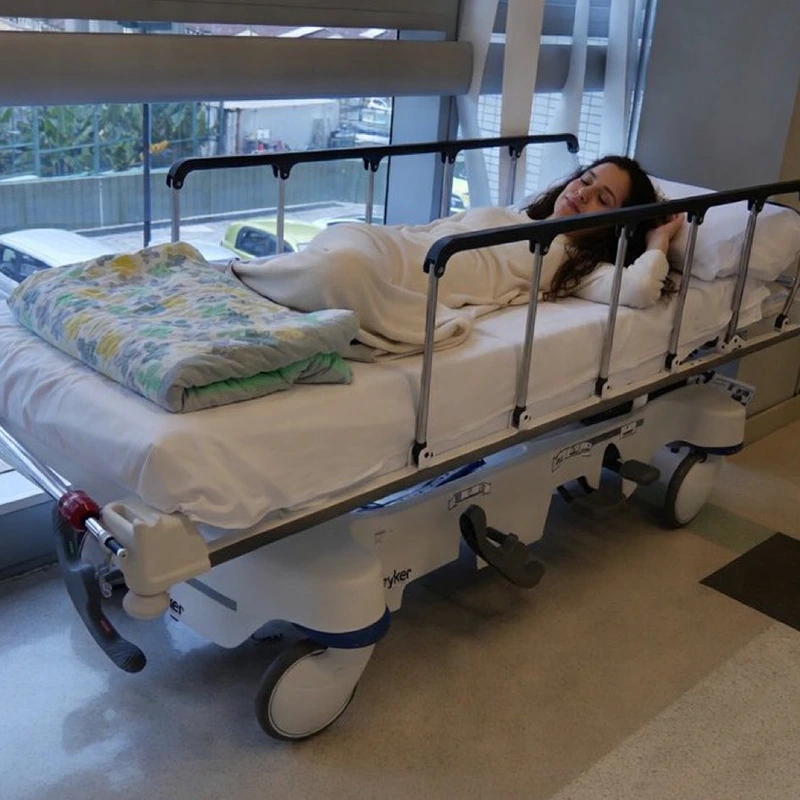
Noelia's death forces uncomfortable reflections. Society failed her at multiple stages: in protecting a young woman in state care from sexual violence, in providing adequate mental health resources before and after her suicide attempt, in addressing chronic pain and dependency without defaulting to assisted death as the solution, and in allowing family conflict and prolonged litigation to compound her exhaustion.
The euthanasia law itself became the flashpoint.
To some it represented hard-won autonomy and compassion for unbearable suffering. To others it revealed a dangerous shift where the state, instead of doubling down on care for trauma survivors and the disabled, makes death an administratively approved option for the young and psychologically complex.
The internet, for all its reach, exposed its own boundaries.
It can make a private hell visible to millions. It can generate offers of financial help or emotional solidarity. It can force a public debate that might otherwise stay hidden. But it cannot replace robust social services, consistent therapeutic relationships, or the kind of societal commitment that catches people before they reach the point of begging for legal death at twenty-five.
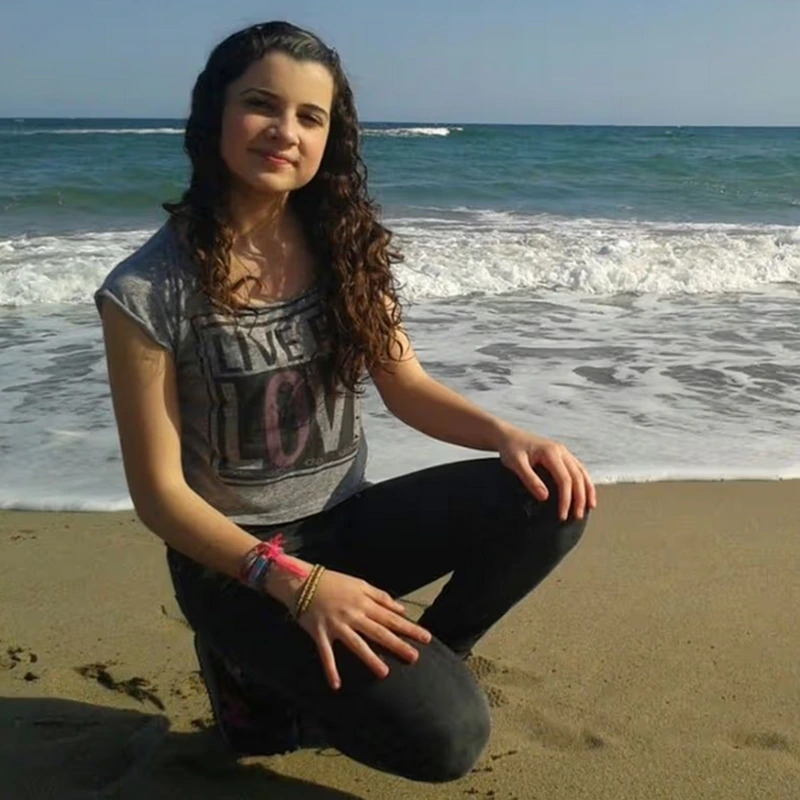
Noelia said she just wanted to stop suffering and leave in peace.
Whether one views her choice as a tragic assertion of agency or a symptom of deeper collective failure, her short life lays bare how protection, support, and genuine alternatives can fall short, and how even the loudest online chorus ultimately hits the hard wall of human reality it cannot rewrite.
In the end, a young woman who endured repeated sexual trauma, a devastating suicide attempt, paralysis, and years of pain chose to end her life with medical assistance.
The world watched, argued, offered help too late or too impersonally, and then moved on.
Her story is a stark reminder of how systems can fail survivors, and how outrage online often isn't enough to deliver real support, justice, or healing.






















































































































































































































































































