The internet is unlike TV or newspaper. With more people online, the internet has become a medium in which businesses can reach their potential customers fast and easy, and a lot cheaper.
Social media in particular, is a place where businesses can amplify their stories and humanize their brands. But these have a set of drawbacks.
People can say anything they want.
With the ability to deliver marketing campaign instantly, people can also respond to it just as instant. And here, if a blunder happens, it can affect a brand's image also rapidly. Social media has become a stage where consumers mock and take brands down due to missteps they made.

What was a friendly place, social media has turned and became the breeding ground for people saying negative comments to pronouncing bad experiences. Fueling the rage, there are also bad actors that troll others just for the fun of it.
Thoughts aren't anymore discussed behind close doors, and available for public consumption. This is the reason why a single bad call can echo all around the web, reaching thousands ir not millions of people, in just a matter of minutes. This will turn a bad campaign into a reputation crisis.
If your brand isn’t prepared to react quickly in the face of the modern viral culture, your business is risking its reputation, opening the chances of long-term damages.
If branding a business isn't hard enough for you, wait until you have to rebuild it.
Here are some of the things companies can do to save their brands, if they ever stumbled into this situation:
Act And Respond
When people react badly on your marketing campaign, the easiest way is to indeed defend your position. This can be a good thing if you know where you're standing, and for what cause and know the results. But if you don't, it's like you alone against the whole world.
Here you need to understand that most consumers aren't seeking for loaded explanation or hearing your defense. What they want (most of the time), is just an apology and a solution to the problem.
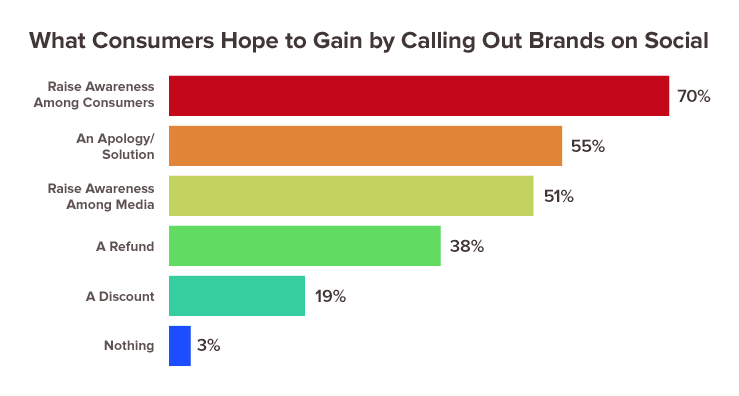
As a business that has been hit, you need to proactively explain, rather than just fixing. It's like pouring water into the heat. So if you want to keep your brand's safety, steer out negative comments by delivering what people want the most, professionally, so their anger won't last that long.
Transparency here is a priority. If you're caught doing something bad red-handed, excuse is not a solution.
Take The Blame, And Apologize
If you know you did something wrong and people realize your mistake, it's wise to not put excuses because tension will just get more tense.
Customer care is the key ingredient here. PR people are the spearhead of your business, and may receive the most complaints. Here, they need to address each person's complaints, satisfying them by giving solutions and answers they are expecting to hear.
Research has shown that a simple but direct response from a representative of a company can increase trust and the odds of customers to spend more money.
But if you're hit by a bad campaign, responding won't boost overall satisfaction by itself. You need to make sure that consumers can spread the word, sharing positive experiences to others.
Rebuild Reputation
Social media is a place that influences consumers' decision-making. Since more and more people have access to the internet and its wealth of information, social recommendations from friends are behind an increasing number of purchases.
This has a momentum ripple effect.
Most people will share their friends' happiness, or join others' complaints using their own experiences. With more people gathering for the same cause, one bad post can create a setting that will shift many others' buying decision.
Here, businesses need to get all the help they need, and start reevaluating everything. From their product to their advertising strategy and brand strategy. For example, a company can create ads discussing the problem, and release details about what people want the most.

Take It As A Lesson
Mistakes happen. And for businesses, missteps should be nothing unusual.
Businesses that are affected with public rage, can rebuild their brand by re-training employees and make new commitments. When initiated, the company should make the announcement to public, making people know that the company has indeed learn from its mistakes and have plans to prevent the same thing from happening again.
Here, businesses need to acknowledge and right the issue, and leave the public with a better impression of their brand.
So business operation first, then PR. Straightening things up publicly without a solution intact, will just fuel people's anger. So businesses need to correct the issue by first having an answer, to then show authentic public statement about the importance and execution of those efforts.
Further reading: The Differences Between Branding And Marketing To Make Your Business Works As One






















































































































































































































































































