In the tech world, OpenAI has become a household name. And that happens for a good reason.
After announcing ChatGPT, the company literally created an arms race, where other tech companies, large and small, develop to create a product to rival this Large Language Model-powered generative AI.
And this time, OpenAI claims that its chatbot has grown from 100 million weekly active users in 2022 to 200 million in 2024.
To put this figure into perspective, ChatGPT that has around 800 million monthly users, is around the same as Snap's Snapchat and Douyin, and Reddit.
The number also makes it larger than Twitter or X, Pinterest and Quora.
This astonishing achievement shows how much the AI chatbot has grown in just two years.
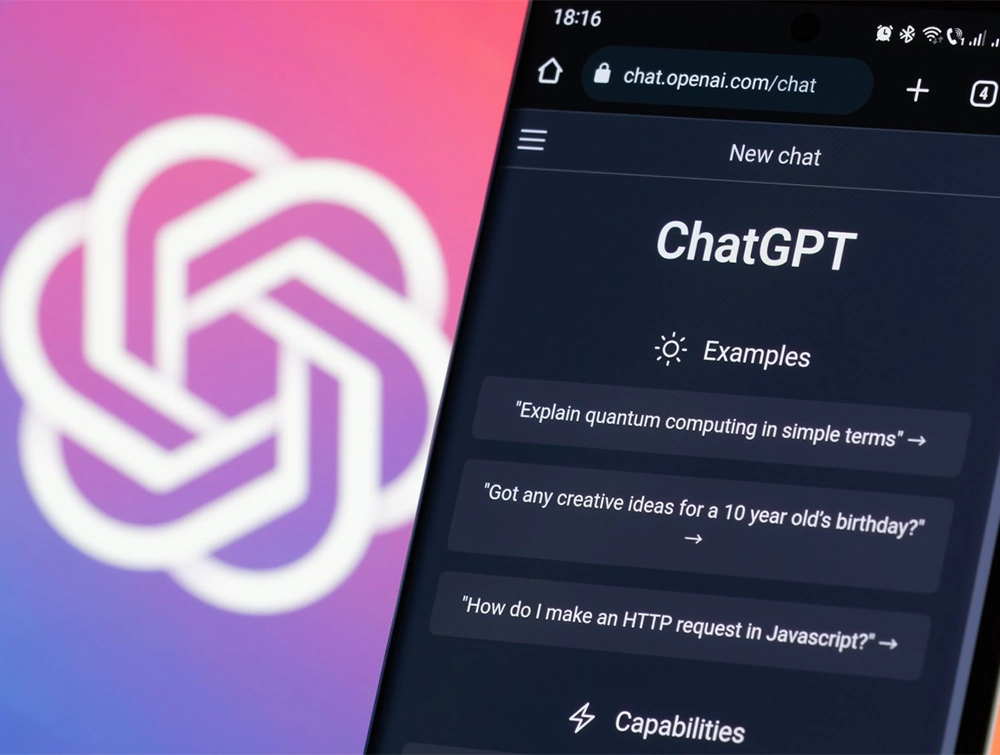
ChatGPT quickly gained popularity for generating human-like responses based on user prompts.
And here, OpenAI also announced that 92% of Fortune 500 companies are now utilizing its products. The use of its automated Application Programming Interface (API), which enables software programs to communicate with each other, has doubled since the introduction of GPT-4o mini in July.
ChatGPT’s success has significantly boosted AI’s popularity and increased the valuation of OpenAI, based in San Francisco.
"People are using our tools now as a part of their daily lives, making a real difference in areas like healthcare and education—whether it's helping with routine tasks, solving hard problems, or unlocking creativity," said CEO Sam Altman.
OpenAI last reported that it had 100 million active weekly users as of November 2023, during its first-ever "Dev Day" developer conference at its headquarters in San Francisco, where the GPT Store and custom GPTs were first announced.
While some said that OpenAI is still burning investors' money, the venture is 'profitable' because it's now at the forefront of technology, the ambassador of non-human intelligence, and game-changer that disrupts industries.
ChatGPT has seen a meteoric rise over the last few years and it makes sense, given it's essentially what Siri, Alexa, and a dozen other smart assistants have failed to deliver on for years.
Read: With 100 Million Users In Just 2 Months, OpenAI's ChatGPT Becomes The Fastest-Growing App In History
Similar news came from rival Meta, which also has seen a massive uptake of its LLaMA-powered Meta AI chatbot, available in the top search bar of its popular products Facebook, Instagram and WhatsApp.
And not just the Meta product, because OpenAI is facing significant competition in the chatbot space, particularly with the rise of powerful proprietary Large Language Models and multimodal models, innovative features, and open-source alternatives that are being released at a rapid pace, sometimes even weekly.
The most notables, include Microsoft Copilot, Google Gemini, Anthropic Claude, Perplexity AI, and more.
Reports suggest that at this time, some big companies, including Apple and Nvidia, are in discussions to invest in OpenAI as part of a new fundraising round, potentially valuing OpenAI at over $100 billion.
If the generative AI space is indeed a market bubble ready to burst, as some suggest, it’s a massive and costly one that continues to expand daily.
Read: Meta AI Aims To Be The 'Most Used AI Assistant': High Expectation Meets Aggressiveness














































































































































































































































































