
FFmpeg and VLC form the invisible backbone of modern internet civilization, quietly driving the foundational infrastructure behind global platforms like YouTube, Netflix, Chrome, Discord, and billions of everyday consumer devices.
In a sweeping, multi-hour conversation on the Lex Fridman Podcast, developers Jean-Baptiste Kempf and Kieran Kunhya peeled back the curtain on this hidden digital machinery, revealing a world where the entire global video landscape relies almost entirely on the obsessive craftsmanship, intellectual focus, and quiet generosity of independent open-source volunteers.
They literally emphasized how introverts are literally running the world with their techs, despite not seen, and rarely under the spotlight.
The dialogue serves as a rare, unfiltered masterclass in how modern infrastructure is actually maintained away from the corporate spotlight, offering a stark contrast to the highly polished narratives pushed by contemporary tech conglomerates.
At the absolute heart of their engineering philosophy lies a radical, unyielding adherence to a classic, foundational internet ideal, one that is crystallized perfectly by the famous 1990s cartoon.
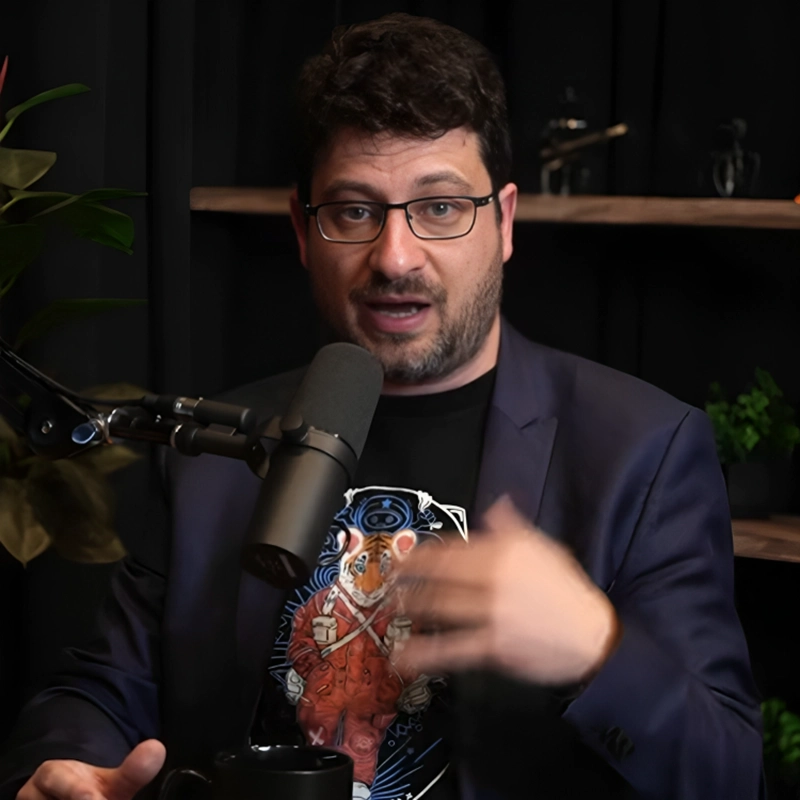
"Is your code great? Is your technology great? We care about excellent code. We don't care who you are. Sorry, it's just like we have no idea to check. We cannot check, right? Like, maybe you're a dog. I don't care, right?"
"I don't care where you come from. I need to look at your code. And this is important because people don't understand that, and they come to the community and send some patches, and they get rejected, and they don't like that because, I mean, you're just like, “Sorry, it's not up to our standards."
"Oh yeah, but I'm an engineer at this very large company in Italy, in Germany, in the U.S.. We don't care."
"We care about the quality of your code because this is what defines our community, which means that we have a lot of people who contribute from very different backgrounds and are very introverted, sure. But that's okay, right?"
When the developers emphatically stated that they do not care who you are, where you come from, or if you are even a dog, they highlighted the fierce, uncompromising meritocracy that defines their development community.
Here, Jean-Baptiste Kempf is referencing a famous 1993 cartoon by Peter Steiner published in The New Yorker. The cartoon shows two dogs sitting in front of a computer, with one telling the other, "On the Internet, nobody knows you’re a dog." The line became one of the defining cultural symbols of the early internet era because it captured the belief that online spaces could act as a kind of equalizer.
In other words, one's appearance, age, race, nationality, social status, or background mattered far less than the ideas and information they shared online.
This literally means that in Jean-Baptiste Kempf's view, identity is secondary to contribution.
What matters is whether the code is good, whether the patch improves the project, and whether the technology meets the community’s standards. The statement is not meant literally. It is a way of saying that personal status or credentials should not influence technical judgment.
This mindset reflects the deeply meritocratic culture that shaped many major open source communities, including projects like FFmpeg and VLC media player.
In these communities, code quality matters more than reputation. A contributor with a prestigious degree or a job at a major technology company is judged by the same standards as a completely unknown programmer submitting their first patch. If the code is efficient, maintainable, and technically strong, it earns respect. If it fails to meet the project’s standards, it gets rejected regardless of who wrote it.
That culture also explains why many influential contributors in open source projects remain largely anonymous or use pseudonyms online.
Maintainers may never know what these contributors look like, where they live, or what their real names are. What defines a person inside the community is the quality of their work and the reliability of their contributions. In that sense, contributors become known less as personalities and more as trusted technical voices whose reputation is built entirely through the code they produce.
Since its first inception, FFmpeg has proven itself as one of the most useful tools out there. And now, it is easily one of the single largest consumers of CPU power in human history, featuring over one hundred thousand lines of highly specialized, handwritten assembly code where every single CPU cycle is optimized to exploit the specific flaws and limitations of human biological visual perception.
In a particularly gripping moment, they discussed the immense pressure of digital security and geopolitics, detailing how they flatly and impolitely rejected multiple backdoor requests from state intelligence agencies, cementing a fierce ethical stance that they would rather shut down the entire multi-billion-download project completely than compromise the privacy and trust of their global users.

Jean-Baptiste Kempf even said that he refused multiple offers of several million dollars for FFmpeg.
"I refuse dozens of millions of dollars, yes, several times. Yes, I could be a multimillionaire and be somewhere on the beach. But I did not do it because I thought it was not moral and it was not the right thing to do. And this is very important for myself, is to be like, I work for the greater good, I work for people, and I don't want. It's not just by myself," he said.
The podcast ultimately painted a profound, humbling portrait of a unique engineering subculture driven by creative passion, internal drive, and technical curiosity rather than public praise or financial profit.
It serves as a stark, powerful reminder that the tools people use to stream video and audio every single day are not merely corporate products, but the result of quiet, cross-border human collaboration (most of whom are introverts) operating completely outside the boundaries of traditional capitalism.
The developers also shared an intriguing psychological perspective on the nature of their long-term work, viewing regret not just as a standard moral feeling but as a literal cognitive tax or an attack on the mind that drains intellectual resources needed for future innovation.
By prioritizing the purity of the craft over individual human egos and emotional baggage, these volunteer engineers continue to build something incredibly useful, durable, and elegant for the rest of humanity, reminding the rest of the world of the classic closing wisdom from Linus Torvalds that most good programmers do what they do not for public adulation, but simply because it is fun.