
Mozilla has launched Firefox 49 for Windows, Mac, Linux and Android users on September 20th, 2016. The version includes improvements and fixes, as well as some new features.
There aren't any major new changes included in Firefox 49, but it the version does pack some useful stuffs over its predecessor. One of the most important ones are the improvements to HTML5 video and audio support. The next feature that can be highlighted is the updates to the Reader Mode and the Firefox Login Manaer.
While the rest of the lesser features came less notable, they can make user-experience in browsing better.
For example, the expanded multi-process support and offline page viewing for Android users. The built-in voice calling feature Firefox Hello has been removed.
Below are the detailed highlights.
Firefox 49 For Desktop
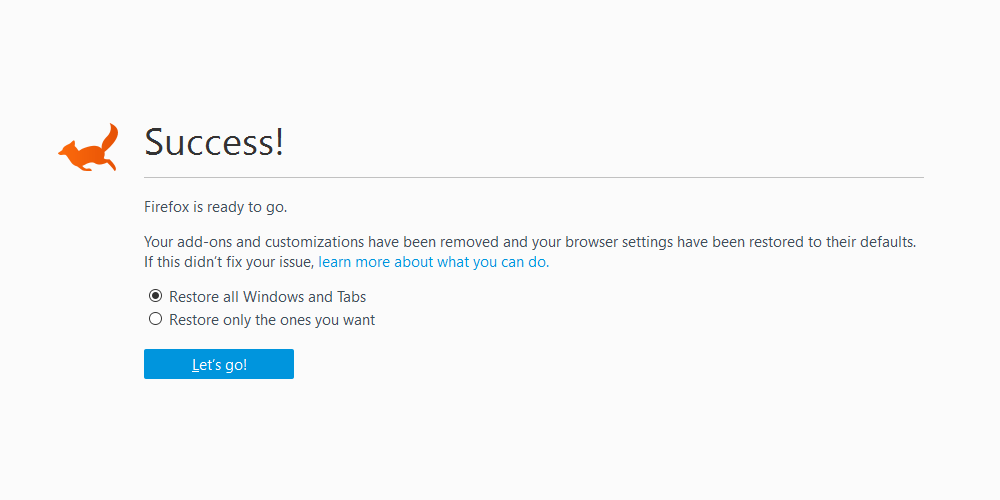
For desktop users, Firefox 49 brings two improvements to Reader Mode where users can now adjust the text (width and line spacing), fonts, and change the theme from light to dark. The version also introduces a new Narrate option that can read contents of a page aloud.
The multi-process support is a feature that has been in developments since 2013. As a part of the Electrolysis project, it aims to make the frontend of the browser and its add-ons to support multiple process. Firefox Nightly was the first to get multi-process support back in November 2014.
In version 49, Firefox expanded the support to include a small initial set of compatible add-ons. This process will continue as Firefox aims all its users to use the feature.
And because Firefox believes that using a separate rendering process lays the foundation for performance and security improvements, version 49 separate Firefox UI process from web contents. This will prevent browser or system hick up or hang when a web page is consuming a large part of a computer's resources.
Firefox also eliminated Firefox Hello. First launched with Firefox 34, it was Mozilla's experimental WebRTC feature that allowed users to make free voice and video calls without having them to download additional software of plugins, nor creating an account. Powered by OpenTok, Mozilla called Hello "The first global communications system built directly into a browser."
While WebRTC is compatible with Chrome and also Opera, Hello was solid. But Mozilla decided to remove the feature because developing it wasn't worth its effort. As an alternative, Mozilla recommends users to use others, such as: Talky and Cisco Spark.
Firefox 49 For Android
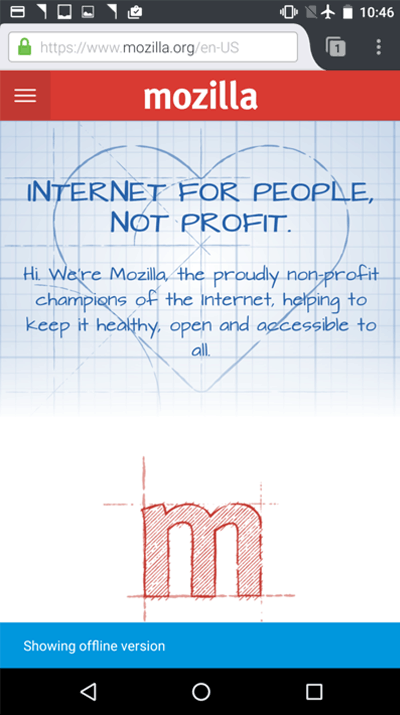
Changes to Firefox 49 on Android is more minor if compared to its desktop version, but it packs one big addition: offline page viewing. The feature allows users to access some previously viewed contents while their on bad connections or even offline.
The team at Firefox promises "you can interact with much of your previously viewed content."
While the feature can be useful, it is however dependent on specific device specs. Because the feature uses caching, the more powerful the device, the more pages will be effectively rendered.
Another update that should be noted is the way Firefox tweaked its tabs. On version 49, outdated tabs are now hidden when restore tabs setting is set to "Always restore." Firefox remembers the scroll position and zoom level for open tabs, and the media controls have been updated to avoid playing sounds from multiple tabs at once.




















































































































































































































































































