
Only a few days after China’s version of Twitter, Sina Weibo, banned all content containing homosexuality contents from its platform, it reversed its decision.
Weibo's decision to remove LGBT-related contents was to comply with the 2017 cybersecurity rule for stricter data surveillance cybersecurity laws and create a "clear and harmonious environment". The move was also part of the company's three-month "detoxification" effort to remove posts that are pornographic and violent.
The cleanup campaign had removed over 50,000 pieces of content by the time of announcement..
But the decision followed an outcry from the country's internet users. Weibo's almost 400 million users, many of whom held an online protest using the hashtags #IAmGay and #ScumbagSinaHelloIAmGay, which were posted over 500,000 times and viewed more than 530 million times.
The huge backlash from citizens criticized the company, saying that homosexuality is not a criminal offence in China.
Weibo reversed its decision as of April 16th, clarifying that it’s not targeting gay content anymore.
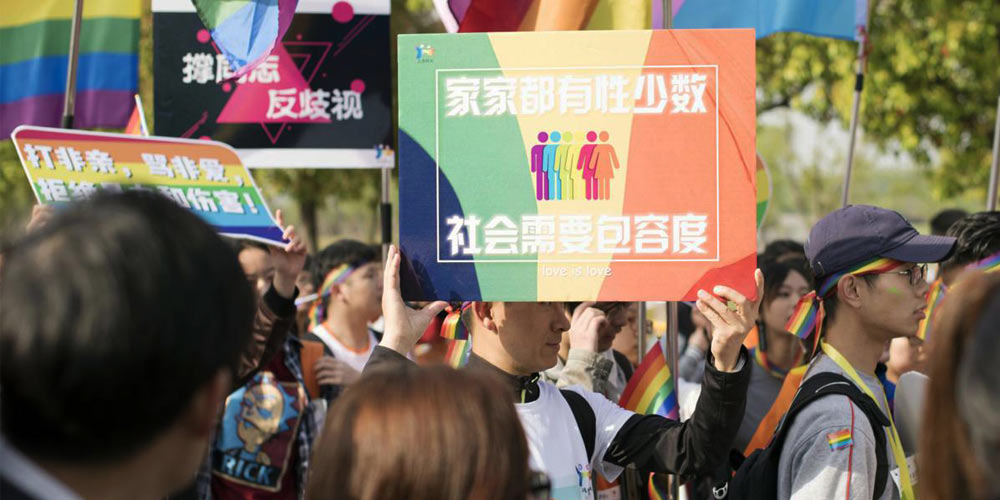
"This time, the cleanup of anime and games won’t target gay content. It is mainly [meant] to clean up content related to pornography, violence, and gore. Thank you for your discussions and suggestions," said Weibo, translated from Chinese.
The protesters said that Weibo's decision was a violation to people's rights, and showed no respect to people's sexual identity.
The protesters were victorious, and Weibo apologized.
Homosexuality was decriminalized in China in 1997, but it was still classified as a mental disorder until 2001. A UN report in 2016 stated that only 5 percent of China's LGBT citizens have disclosed their sexual orientation and gender identity outside of their families, and only 15 percent have told their families.
The report also found that more than half of them were discriminated against because of their sexual orientation.
Removing LGBT-related contents through banning is something China has experienced before.
In 2017 for example, a government-affiliated group called China Netcasting Services Association began requiring two auditors for each piece of audiovisual content online to check if sites were adhering to "core socialist values," which included a rejection of homosexual content. China has also banned audio-visual content on websites such as Weibo that show any "display of homosexuality" in June.
Then in March 2018, the Beijing International Film Festival dropped Oscar-winning film Call Me By Your Name, which is about a gay summer romance that takes place in Italy in the 1980s.






















































































































































































































































































