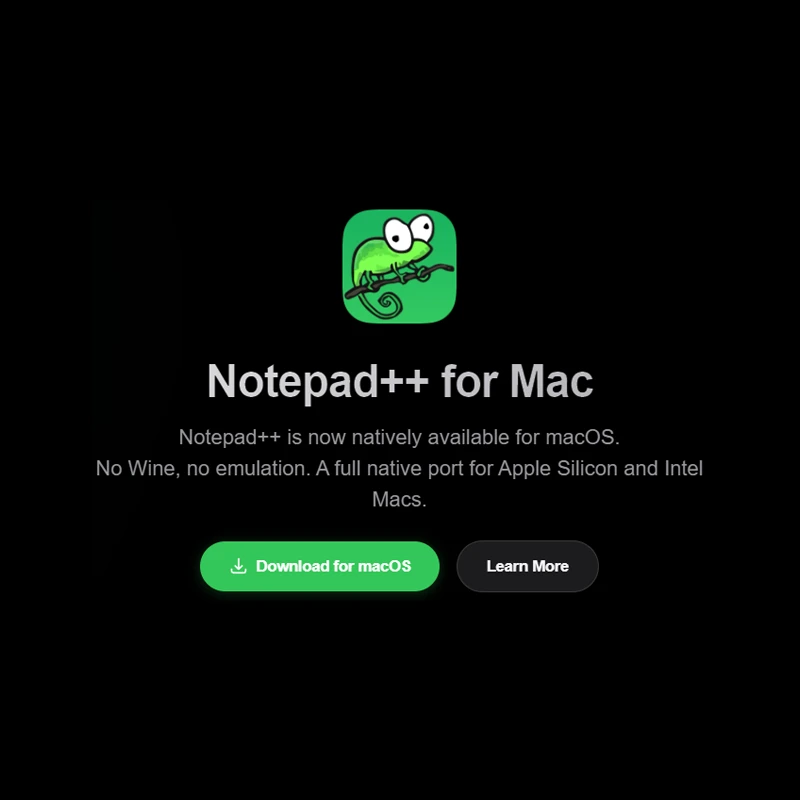
Notepad++ has established itself as one of the most resilient and beloved pieces of software in the history of Windows development.
The software services as an enhanced Windows Notepad for ordinary people, but more notably as the cornerstone for programmers and writers who prioritize speed and simplicity. Since its initial release in 2003, it has remained a lightweight, open source power tool that handles everything from basic text notes to complex coding projects with ease.
For over twenty years, the application has stayed remarkably consistent, offering a tabbed interface, powerful search and replace functions, and extensive language support without the bloat found in modern integrated development environments.
However, because the software was built specifically for the Windows API, it has never been natively available for Apple computers.
This has left Mac users in a perennial state of longing, forced to choose between using different editors like TextWrangler or BBEdit, or attempting to run the Windows version through cumbersome translation layers like Wine which often lead to performance issues and visual glitches.
Then, out of no where, the tech community was baffled and sent into a frenzy when a website appeared claiming to offer a fully native, optimized version of Notepad++ for macOS.
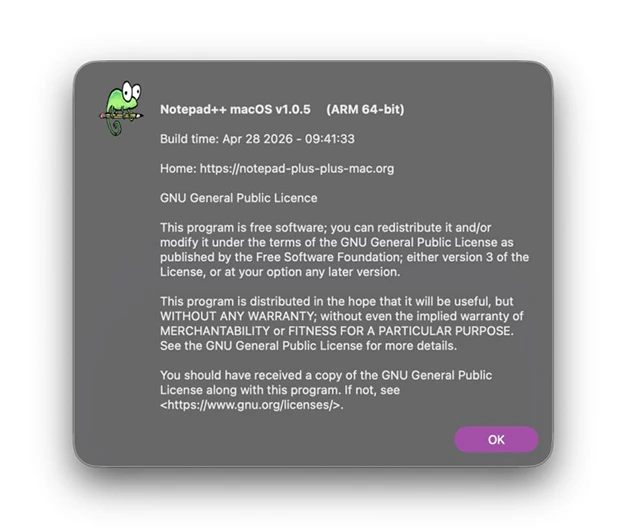
The site looked remarkably official, featuring the familiar design, the recognizable green chameleon mascot, and high quality screenshots that promised a seamless experience on Silicon Mac hardware.
Within hours of the news breaking, the download link was being shared across tech forums and major news aggregators as a long awaited breakthrough. The excitement was driven by the prospect of finally having the exact same keyboard shortcuts and plugin architecture available on a MacBook without the need for a virtual machine.
Because the original software is open source, many assumed that a dedicated developer had simply taken the initiative to modernize the codebase for a new platform with the blessing of the original creator.
This sense of celebration was quickly replaced by a significant legal and ethical controversy when Don Ho, the original lead developer of Notepad++, issued a public warning on a post on the official project blog.
Ho made it clear that the Mac version was unauthorized, and a deceptive use of his trademark and brand identity.
While the General Public License allows anyone to take the source code and modify it, Ho argued that using the Notepad++ name and logo to host a separate project was a direct violation of his intellectual property.
He expressed deep frustration that the site even included his own biography and personal photos, which led many users to believe they were supporting his work when they were actually downloading a third party application that he had never audited for security or stability.
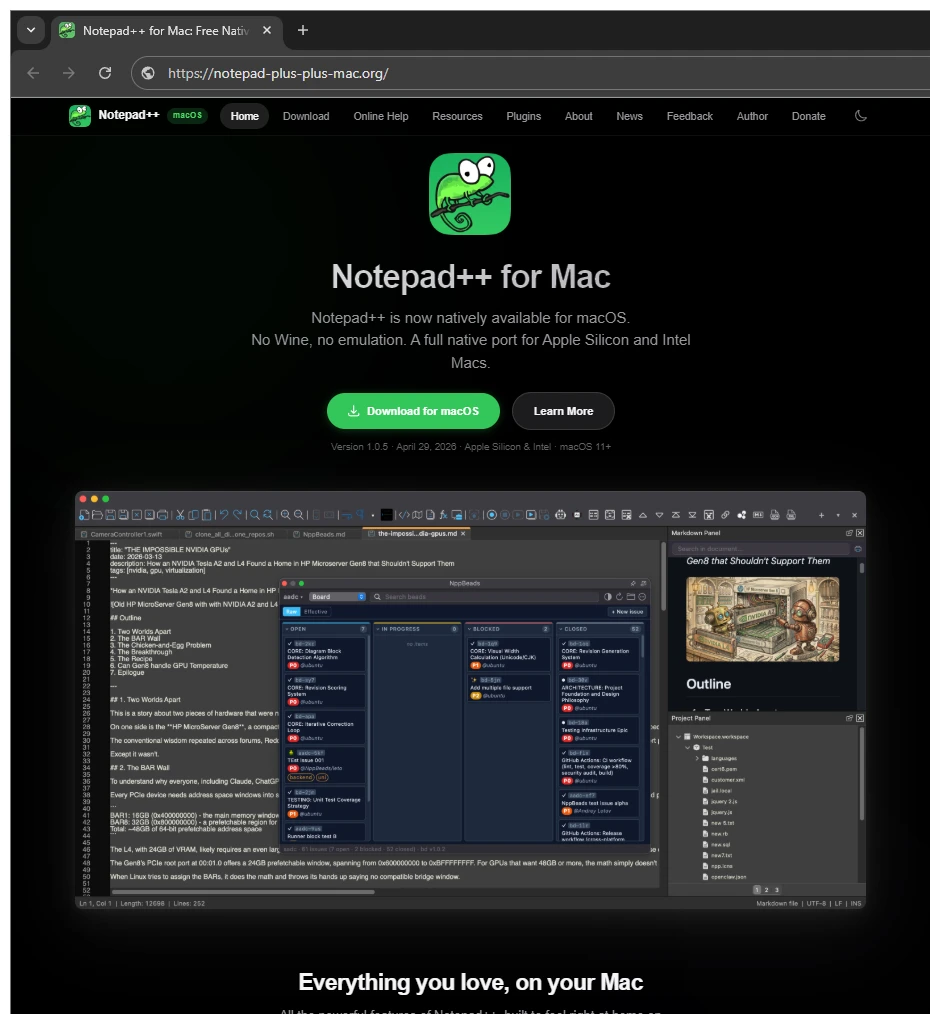
The developer behind the unofficial port, Andrey Letov, eventually responded to the outcry by clarifying his intentions and the methodology behind the software.
With nothing but good intention, he explained that the application was a vibe coded project that utilized AI to help bridge the gaps between the Windows source code and the macOS environment. According to Letov, the goal was never to steal the brand but rather to provide a functional tool for an underserved market.
It's worth noting that Ho said he had been contacted by Letov before the Notepad++ for Mac app was launched, but that he hadn't had time to reply.
Under the pressure of potential legal action and public criticism from the original author, he began a swift rebranding process.
The project was renamed to Nextpad++ and the mascot was changed to a stylized frog to create a clear visual distinction.
Despite these changes, the official Notepad++ team has continued to push for the complete shutdown of the original distribution site, maintaining that the initial deception caused irreparable confusion among the user base.
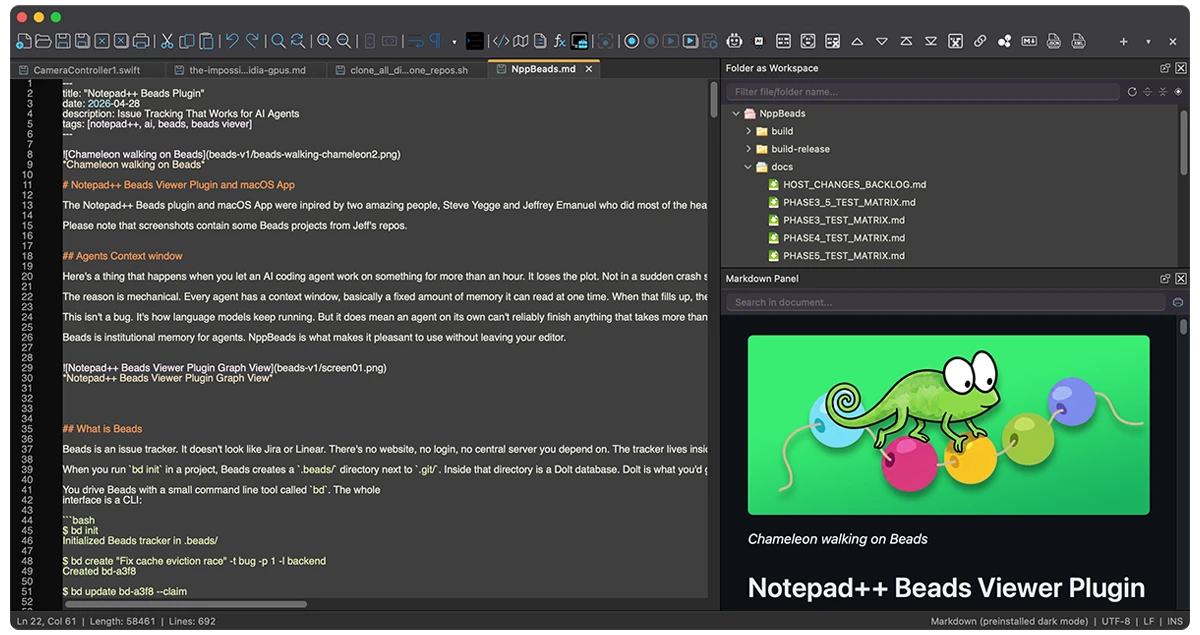
This situation has sparked a broader debate within the software industry regarding the ethics of using AI to port legacy code and the responsibilities of developers when dealing with famous open source brands.
For Mac users, the saga is a bittersweet reminder of the complexities of software development.
While a native alternative now exists under the name Nextpad++, the controversy has cast a shadow over its release and highlighted the risks of downloading unofficial software that mimics established brands. It also underscores the fierce protective nature of independent developers like Don Ho, who view their projects not just as code but as a reputation built over decades of free service to the public.






















































































































































































































































































