Google is known for disrupting things, and it knows that too.
When it was first founded, its search engine effectively changed the way people looked for information on the internet. At the same time, the company also incentivized websites for providing its users with the information they need, through monetization.
Google effectively controls the flow of both the supply and the demand.
Following the rise of generative AI, led by OpenAI's ChatGPT, Google is again trying to change things, in which it allows users to look for information using AI Overviews and Gemini, without ever having to visit websites.
As a result of this, publishers are seeing potential decrease in revenue.
With Google continuously tweaking its search engine algorithms and its AI products, Google is also working on a means of monetization that might mean good news for small-time creators and publishers.
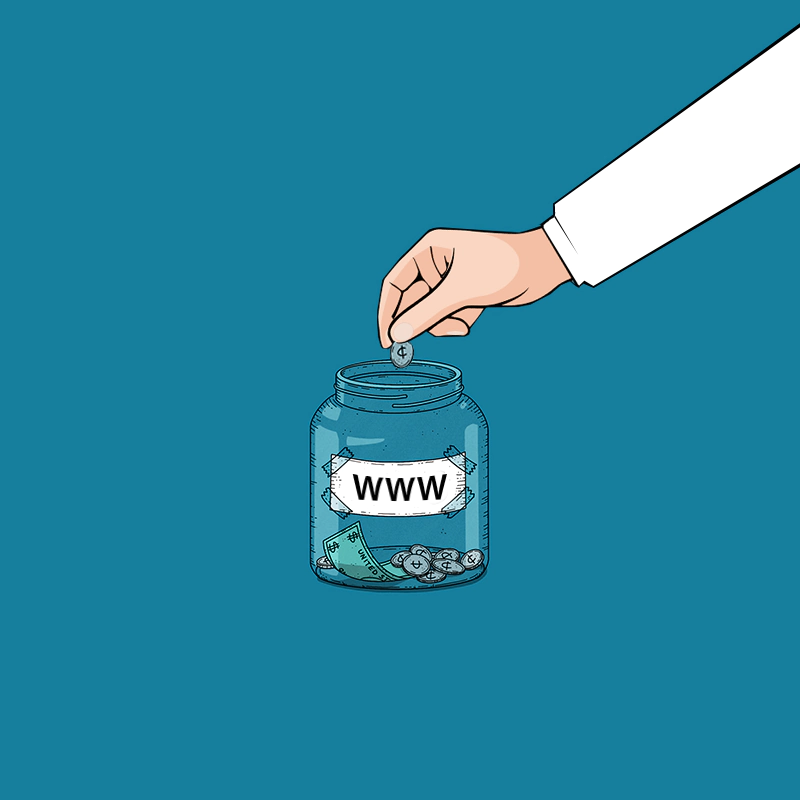
Here, Google announces its plan to bake micro-payments directly into Chrome.
Read: How Google Uses AI To Kill The Web, By Transforming How People Look For Information
Most websites on the web are supported by ads, meaning that they have to show ads to earn money.
When visitors visit the websites, the more ads impressions the websites earn. That, pair with ads that get clicked, the websites will earn the money they deserve.
This has been going on for years.
But since Large Language Models-powered products from Google allow users to look for information using just a chatbot, the industry disrupted.
Knowing that AI Overviews and Gemini, as well as other AI products from rivals are threatening to put millions of websites out of business because they allow users to bypass visiting websites and get the answers that they want, Google is brainstorming for ways to distribute its income to those websites that deserve most of the credit.
The feature is meant to be a more direct way of supporting website rather than ad revenue.
According to its report, Google is working on a system that will let people pay websites directly to see their content when on Chrome.
Initially, this feature is in its early stages.
Read: Google Said It Has The Right To 'Collect' Public Information From The Web To Train Its Bard AI

To make this work, according to Google in another report, when implemented, developers of websites need to put the HTML code rel=”monetization”.
When they do this, they should be able to monetize their content.
This tag declares to Chrome that the website supports web monetization, and allows users of the browser to specify the payment processor that should be used.
"Notably, Web Monetization offers two unique features—small payments and no user interaction—users are paying/tipping for the content while they consume it," Google added.
With Web Monetization, website owners can express their interest in receiving payments, while the visitor retains complete control over how much and when a payment is made.
This method of monetization could be beneficial to site owners because they will be able to bypass fees.
Also, depending on how many people choose to support the site, they might be able to earn more money than with ad revenue.






















































































































































































































































































