Apple is famously known for its utmost control over its ecosystem. Whether it's its software or hardware, Apple has its eyes on everything.
As a company that develops many products, that include Mac computers, iPhones and iPads, and many more, Apple requires a huge amount of minerals that include aluminum, cobalt, copper, gold, lithium, rare Earth elements, tantalum, tin, tungsten, zinc, and more.
Rather than mining all of the materials, the company recycles the materials whenever it can.
This is where Apple utilizes what it calls "certified recycled content," which include sources of materials obtained from recycled materials "that have been independently verified by third parties to a standard that conforms with ISO 14021," as well as recycled content that’s confirmed by suppliers, but has not yet received third-party verification.
This time, the company has released details in its 2022 Environmental Progress Report, in which the company managed to increase its use of certified recycled content across its products.
As the company moves toward its goal to become carbon-neutral by 2030, the company announced that it managed to double the use of recycled tungsten, rare earth elements, and cobalt.
At the same time, Apple also introduces certified recycled gold for the first time.
According to its report, nearly 20% of all material used in Apple products in 2021 was recycled. And especially for its iPhone 13 lineup, the company said that it was the first product to have 100% of its gold coming from its recycled gold supply chain.
"For iPhone 13, we built our first exclusively recycled gold supply chain, which incorporated end-to-end traceability — unprecedented in the industry — allowing us to determine that only materials from recycled sources entered the supply chain. This effort allowed us to use 100 percent certified recycled gold in select components of iPhone for the first time," the company said.
The element is used in the plating of the main logic board and the wire in the front camera and the rear cameras of iPhone 13 and iPhone 13 Pro
Apple announced this a few days before the company celebrates another Earth Day.
"As people around the world join in celebrating Earth Day, we are making real progress in our work to address the climate crisis and to one day make our products without taking anything from the earth," said Lisa Jackson, Apple’s vice president of Environment, Policy, and Social Initiatives.
"Our rapid pace of innovation is already helping our teams use today’s products to build tomorrow’s, and as our global supply chain transitions to clean power, we are charting a path for other companies to follow."

According to the company, in 2021, 59% of all the aluminum Apple shipped in its products came from recycled sources, with many of the products it created that year feature 10% recycled aluminum in the enclosure.
Apple has also made progress toward the company’s goal to eliminate plastics from its packaging by 2025, with plastics accounting for just 4% of packaging in 2021. Since 2015, Apple has reduced plastic in its packaging by 75%.
The company also highlights some other achievements as well:
- 4% certified recycled rare earth elements, a significant increase since Apple introduced recycled rare earth elements in its devices.
- 30% certified recycled tin, with all new iPhone, iPad, AirPods, and Mac devices featuring 100 percent recycled tin in the solder of their main logic boards.
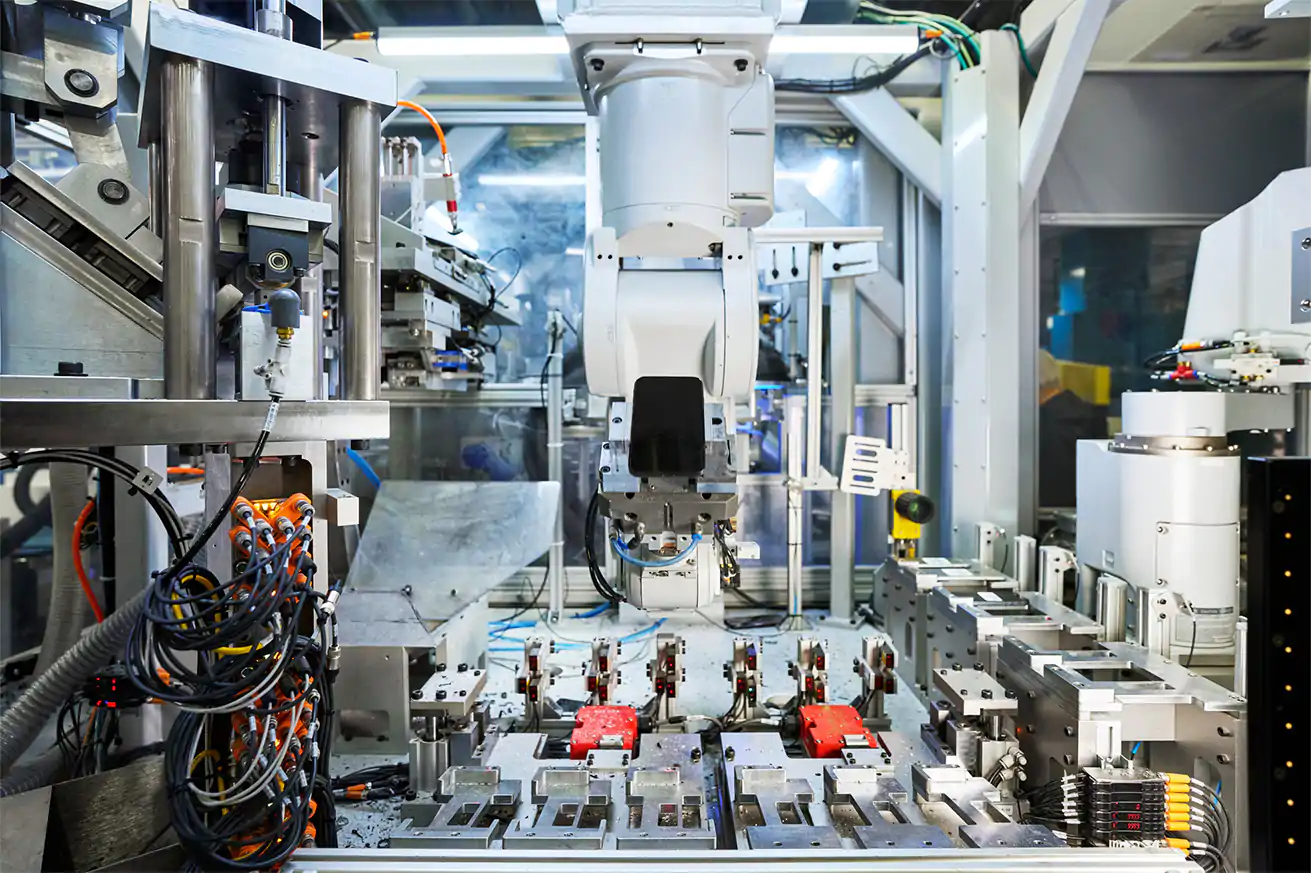
- 13% certified recycled cobalt, used in iPhone batteries that can be disassembled by Apple’s recycling robot Daisy and returned to the market.
As for the recycled gold, Apple said that it managed to recover one metric ton of gold from end-of-life iPhone components "that would otherwise require mining more than 2000 metric tons of rock."
"To obtain this from entirely recycled sources required pioneering industry-leading levels of traceability to build a gold supply chain of exclusively recycled content. Gold as a material is often recovered and recycled; as a result, gold from primary and secondary sources is often commingled. So it was only through this level of traceability that we could certify that our material came from 100 percent recycled sources. We’ve shown this is possible with iPhone 13 and are working to scale our use to other products as well."














































































































































































































































































