In a move that has captured significant attention in both philanthropic and investment circles, the Bill & Melinda Gates Foundation Trust has fully divested its remaining stake in Microsoft Corporation completing a multi-year wind-down that began in earnest around two years earlier.
According to recent SEC 13F filings disclosed in mid-May 2026, the trust sold its final 7.7 million shares of MSFT during the first quarter of 2026 with the stake valued at approximately $3.2 billion at the time of the transaction.
This brings the foundation's holdings in the company it was originally built upon to zero marking the first time since the foundation's establishment in 2000 that it no longer owns any Microsoft stock.
The news quickly spread through financial media outlets prompting analysts and investors to examine what the sale means for both the foundation’s future and the long-term outlook for Microsoft.
The Bill & Melinda Gates Foundation Trust which manages the endowment supporting one of the world's largest charitable organizations had gradually reduced its Microsoft position over recent quarters starting from roughly 28.5 million shares at the end of the first quarter of 2025 before trimming further and ultimately exiting entirely this year.
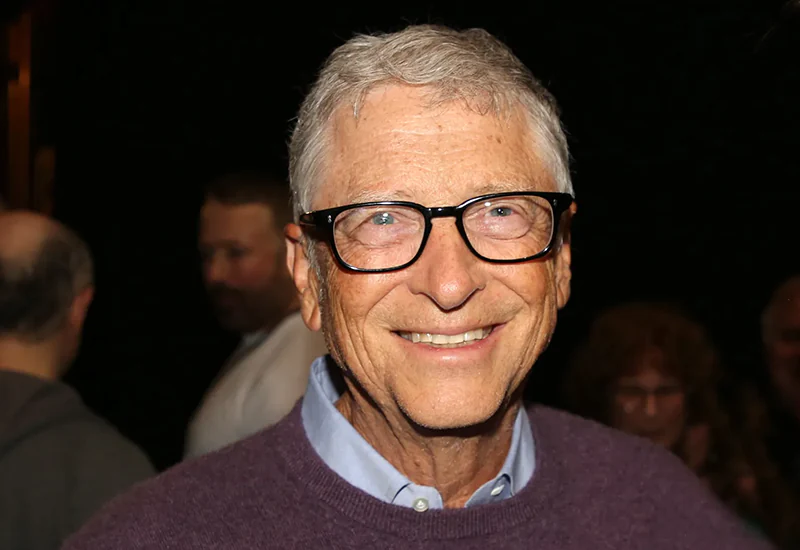
While headlines sometimes sensationalize the development as Bill Gates personally selling every last share of his co-founded company the reality centers on the foundation's trust making strategic portfolio decisions separate from Gates’ personal holdings.
The sale aligns with the foundation's broader plan to wind down operations over the next approximately twenty years directing all assets toward immediate charitable spending rather than maintaining a perpetual endowment. By liquidating concentrated positions like Microsoft the trust gains greater liquidity to fund tens of billions in annual grants focused on global health education poverty reduction and other high-impact causes.
Analysts emphasize that the divestment does not reflect any loss of confidence in Microsoft's business fundamentals.
The company continues to demonstrate exceptional strength with trailing revenue exceeding $281 billion operating income around $149 billion and free cash flow surpassing $73 billion.
Its leadership in cloud computing through Azure artificial intelligence infrastructure and enterprise software remains unchallenged with high switching costs protecting its dominant market position.
The foundation's decision appears driven primarily by prudent risk management including portfolio diversification to reduce exposure to a single stock that had performed exceptionally well and the practical need to generate cash for ongoing philanthropic commitments.
Notably billionaire investor Bill Ackman disclosed a substantial new purchase of Microsoft shares around the same period illustrating that other major investors continue to view the company favorably even as the Gates Foundation steps away.
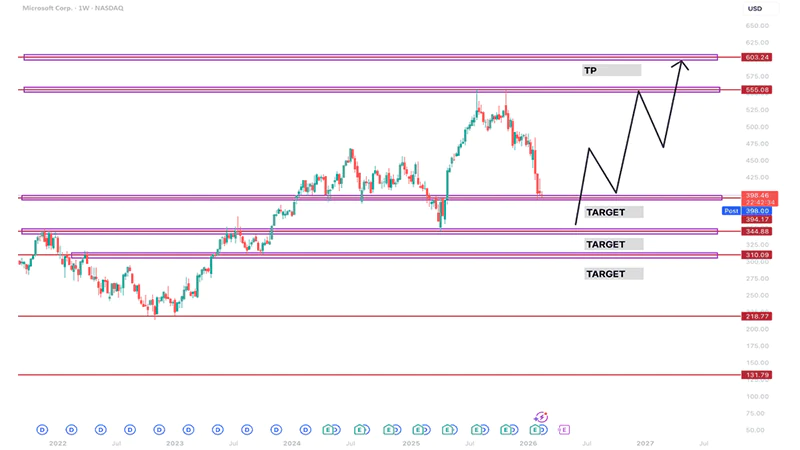
Microsoft's stock experienced only modest movement in the immediate aftermath of the filing with reports noting a slight dip of about 0.42% on the day of disclosure before stabilizing. Market observers point out that large institutional sales of this nature are often viewed as routine fiduciary actions rather than bearish signals especially when executed gradually over multiple quarters.
The Gates Foundation Trust had already been trimming its position steadily which helped minimize any sudden market disruption. For the foundation itself the proceeds from the sale further bolster its ability to accelerate grantmaking as it prepares for an eventual full transition away from holding large equity stakes.
This development closes a symbolic chapter in the intertwined history of Microsoft and the Gates Foundation.
What began as the personal fortune of the company's co-founder evolved into one of the most powerful engines for global philanthropy with Microsoft stock once forming a major portion of the endowment. Yet the complete exit underscores a deliberate shift toward greater flexibility in how charitable resources are deployed.
Supporters of the foundation see the move as responsible stewardship ensuring that funds are actively used to address pressing global challenges rather than remaining tied up in long-term investments. As the foundation continues its planned sunset by around 2045 such portfolio adjustments are expected to become more common to maximize near-term impact.
Overall the sale represents a significant but carefully managed transition rather than a dramatic rupture.
Microsoft remains a powerhouse in technology with robust growth prospects particularly in AI and cloud services while the Gates Foundation Trust gains enhanced capacity to pursue its mission of improving health and opportunity worldwide.
Investors monitoring the situation are largely encouraged to view the event through the lens of standard asset allocation strategy instead of interpreting it as a red flag for the company's future.
The story highlights how even the most storied connections between a founder a company and its associated philanthropy can evolve over time as priorities shift toward maximizing real-world impact in an ever-changing global landscape.
Long story short, Bill Gates did not sell his personal Microsoft shares.
At this time, he still owns a very large personal stake, which is roughly 103 million shares (worth around $43 billion at recent prices).






















































































































































































































































































