Epic Games is the maker of the hit video game 'Fortnite', and it has been caught in allegations that forced it to pay a record amount of money.
"The FTC’s action against Epic involves two separate record-breaking settlements," said the U.S. Federal Trade Commission (FTC) in a statement.
The first part of the agreement, concluded that Epic Games has to pay $275 million to the U.S. government to resolve claims that it violated the Children’s Online Privacy Protection Act (COPPA) by gathering the personal information of kids under the age of 13 without receiving their parents’ verifiable consent.
And in the second but separate settlement, Epic Games also has to pay another $245 million as refunds to consumers who were allegedly harmed by user-interface design choices the FTC claimed were deceptive. The agency said that Fortnite was found misleading millions of players, including children and teens, into making unintended purchases.
In total, the $520 million Epic Games has to pay to settle a case is the largest fine the FTC has ever imposed for a rule that it enforces, the FTC said.

In a blog post addressing the two settlements, Epic Games said the agreement reflects an evolution in how U.S. laws are applied to the video gaming industry:
The biggest concern here, is the failure to notify parents and obtain their consent, with the FTC saying that Epic Games knew that a huge part of Fortnite's audience is children, and that it seems it didn't take this fact seriously enough.
This alone is enough to set off the regulator's alarm.
And making things worse, its default setting is putting children at risk.
Fortnite is a game that matches players with strangers, and this led to children and teens to being "bullied, threatened, harassed, and exposed to dangerous and psychologically traumatizing issues such as suicide while on Fortnite".
FTC Chair Lina Khan said the settlements reflect the agency’s heightened focus on privacy and so-called "dark patterns," a term used to describe design elements intended to nudge users toward a company’s preferred result.
The allegations of Epic Games' deceptive design choices were filed as an FTC administrative complaint, which claims that the company made it extremely easy for children to purchase in-game items with a single click or button tap without parental approval, resulting in more than one million parental complaints to Epic Games about unwanted charges.
The FTC further alleged that Epic Games made it difficult for players to cancel purchases of in-game items by burying the option to do so at the bottom of the screen and by requiring consumers to push and hold a button on their controllers to complete the cancellation.
The "dark pattern" was implemented after surveys showed that, whenever a cancel button is prominently displayed, accidental clicks happen, the FTC said.
"Protecting the public, and especially children, from online privacy invasions and dark patterns is a top priority for the Commission, and these enforcement actions make clear to businesses that the FTC is cracking down on these unlawful practices," Khan said in a statement.
As part of the agreements, Epic shall adopt "strong privacy default settings for children and teens," and that it has to ensure that "voice and text communications are turned off by default."
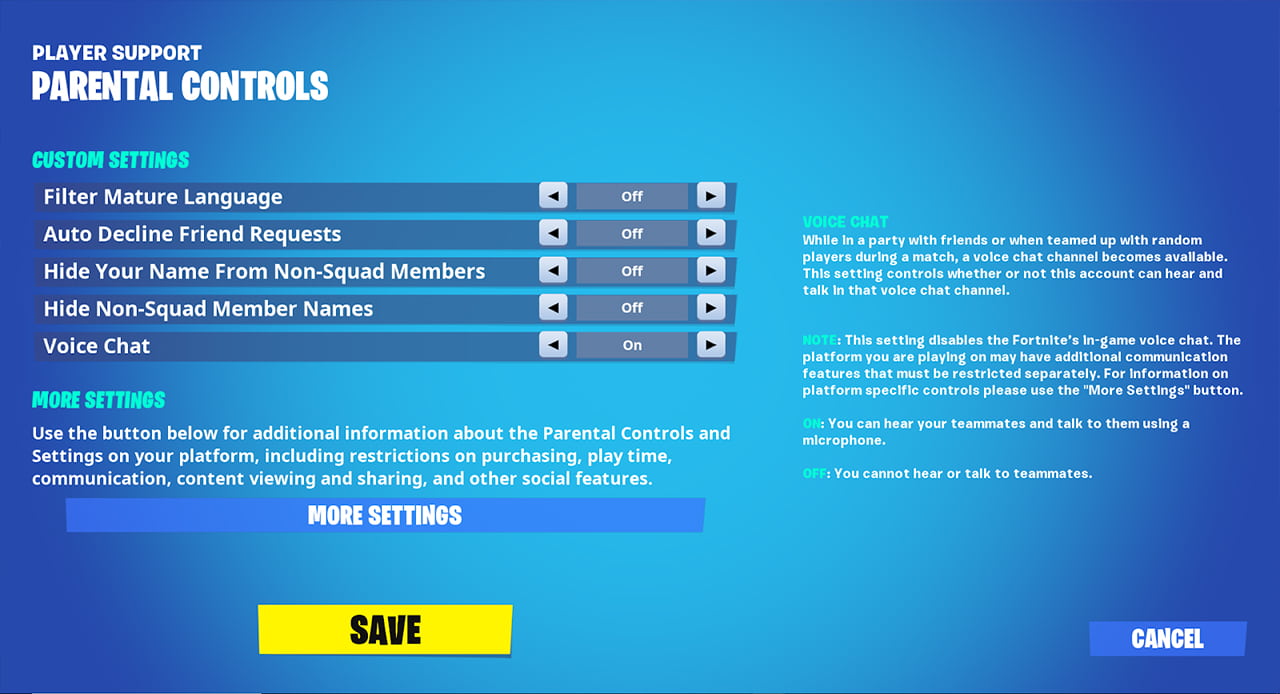
Epic Games' agreement with the FTC also prohibits the company from ever using dark patterns again, and charging consumers without their consent, and locking players out of their accounts in response to users’ chargeback requests with credit card companies disputing unwanted charges.
"We share the underlying principles of fairness, transparency and privacy that the FTC enforces, and the practices referenced in the FTC’s complaints are not how Fortnite operates,” Epic Games said in its post. “We will continue to be upfront about what players can expect when making purchases, ensure cancellations and refunds are simple, and build safeguards that help keep our ecosystem safe and fun for audiences of all ages.”
The FTC’s complaint and proposed settlement was filed in the U.S. District Court for the Eastern District of North Carolina.
The agency voted 4-0 to refer the civil penalty complaint and proposed federal order to the Department of Justice.






















































































































































































































































































