In the U.S. and practically in almost all other countries on Earth, Google is the internet's search engine of choice.
In Russia and in some of it surrounding regions however, Google is not the leader.
In the huge area spanning Eastern Europe and Northern Asia, the leading search engine is the Russian-made Yandex.
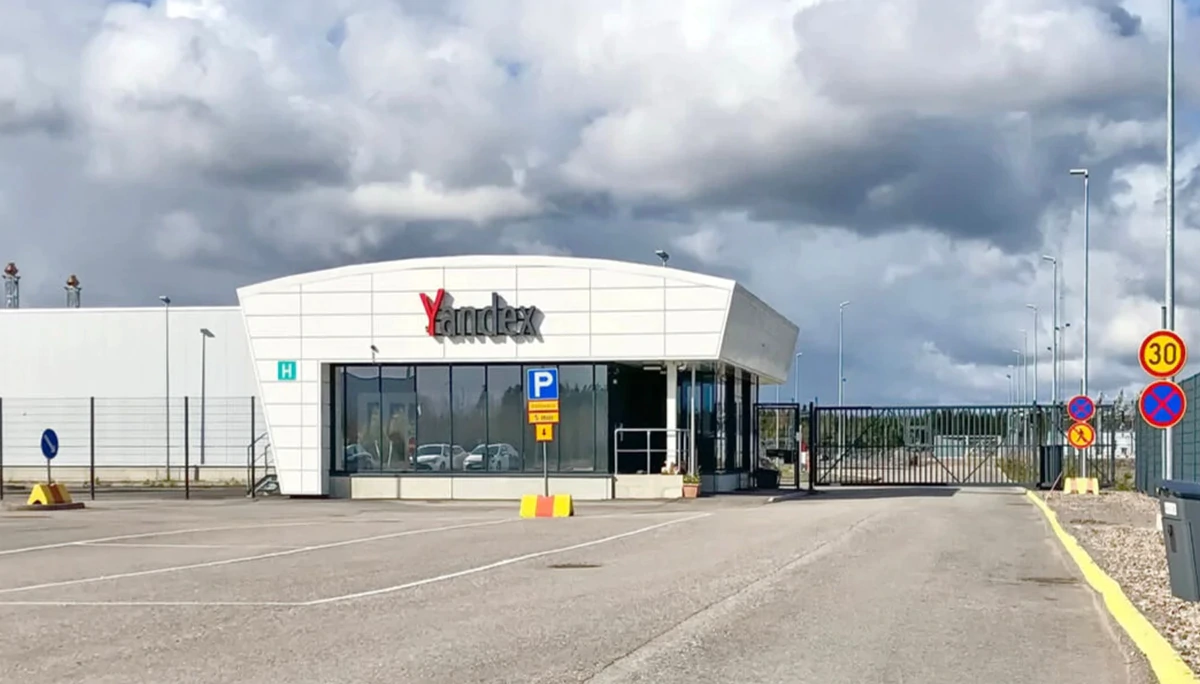
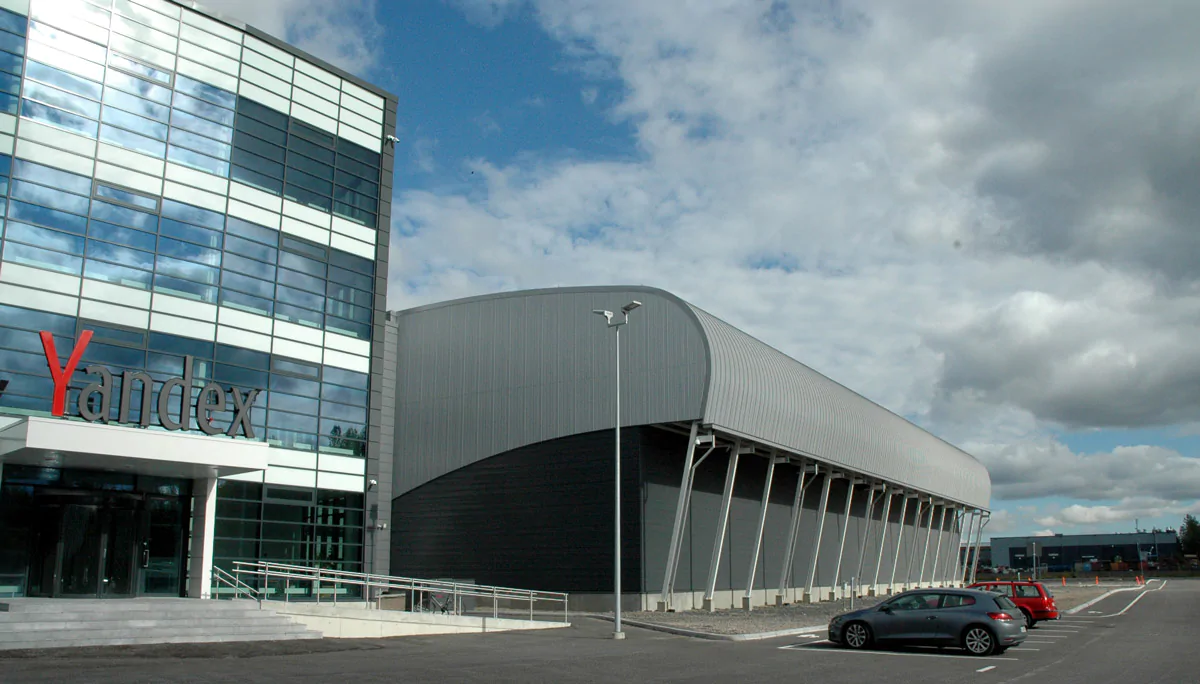
And in Finland, at the company's only data center outside of Russia, Yandex's 40MW facility in Mäntsälä has been running on its diesel generators after its electricity supplier Nivos said that Yandex was cut off because it has no energy contract.
"Despite Yandex not being under sanctions, our data center has been indeed cut off from the power grid," said a statement from the Russian company. "The data center is temporarily running on its own diesel generators to maintain operations; however, the heat reuse system will operate at full capacity only once we switch back to the power grid."
It happened when Yandex's data center bought electricity from Nivos Energia, but from another Nivos subsidiary, Nivos Verkot Oy (Nivos Network).
When its contract expired at the start of 2021, Yandex didn't renew it.
It's also reported that Yandex also removed the logo of Nivos Verkot Oy from the data center, and is reported to be changing the name of its Finnish operation.
This caused Nivos Verkot Oy to cut off its supply of electricity to the data center.
Yandex didn't renew the contract because it had moved away from Nivos Energia, and has signed a five-year power purchase agreement (PPA) for wind energy with Finnish renewable energy company Ilmatar Energy, which would be delivered by Nivost Verkot.
The thing is, at the start of 2022, Ilmatar cancelled the deal, said Yandex.
"They have decided to unilaterally terminate our contract based on the formal grounds of the agreement, though we’ve made every effort to negotiate contract terms including more favourable rates, as well as provide proof of our stable and continuous operations."
Ilmatar confirmed this.
"We have terminated the electricity delivery agreement to Yandex Datacenter in Mäntsälä Finland. We do not comment any further of the contractual issues between us and Yandex."
It is then reported that Verkot is a network not a seller, so when Ilmatar terminated its agreement with Yandex, Verkot also had to severe its connection with the Russian search engine.
Because Yandex failed to make a deal with Ilmatar, Nivos Energia or any other supplier. Verkot had no choice but to cut the data center off, under Finland's Electricity Market Act, as explained by Nivos CEO Marko Ahl.
"If they find a new electricity seller, the grid connection will be restored," said Ahl.
Since Yandex is forced to run on diesel in Finland, it had to operate at about one-fifth of its normal 40MW capacity.
Fortunately, this means that the amount of heat is greatly reduced. But unfortunately, the lesser amount of heat the data center generates made things more complicated for the people at the Finnish city the data center is located.
It all began when Mäntsälä planned to work on a wood pellet incineration plant to generate heat for the district heating system. The plant is expected to begin its operation at the end of 2022, generating enough heat for the summer months, and supplemented in winter.
But when the war broke out, the plan was revised.
Finland not only accelerated the plan, but also excluded Russia as its source of pellets.
"Russia's invasion of Ukraine has accelerated our work to develop district heating," said the statement. "In the short term, we have prepared to replace the current energy sources of district heating with backup fuels if necessary, and to consider co-operation with the Russian-owned Yandex Oy on a case-by-case basis."
Then, when the Finnish Ministry of Defense said that it spotted an Mil Mi-17 Soviet-designed Russian military helicopter at its national airspace, and when Finland started considering joining NATO, political tensions between Finland and Russia escalated.
Because Yandex failed to make contracts with suppliers, Nivos is also affected.
This is because Nivos actually relies on Yandex's data center for waste heat to heat local homes in a district heating system, which has been in operation since at least 2015.
The southern Finnish province located approximately 55 km north of the Finish capital Helsinki did this by pumping out waste heat produced by Yandex's servers to residential buildings in the city and to local water heating systems, and claims this heats up 75% of the area's homes, which has cut CO2 emissions from heating there by 50%.
To put this in context, that's about 20 gigawatt hours of district heat per year.
Because Yandex data center is powered by local Finnish wind energy, "the cooperation has good effects."
By stopping electricity supply to Yandex' data center, Mäntsälä's local heating system would force local homes to burn Russian gas instead.
"Utilizing waste heat in the district heating network is the best possible ecological heat source," said Ahl. "If the situation so requires, we would have to replace waste heat mainly with Russian natural gas and light fuel oil. At the same time, our carbon neutrality goals would inevitably take a backseat."
The natural gas comes from Russia, whereas the light fuel comes from Neste, a Finnish supplier which makes sustainable fuel oil from recycled fats.
While Yandex is not currently on sanctions lists, but its news and blogging services, as well as a senior executive, have been criticized for spreading Russian propaganda.
"With the anti-Russian actions caused by the war in Ukraine, we must weigh up our cooperation with the Russian-owned Yandex on a case-by-case basis," said Ahl.
"We strongly condemn the Russian invasion of Ukraine and stand by the people affected by the war. Our primary task in this exceptional situation is to act responsibly and ensure that we supply our customers with heat, clean water, and electricity."
"We regret this situation which is a major setback to green initiatives in the country as it paves a way for more consumption of fossil fuels and also a major blow to Finland’s ambition of becoming a global data hub."
"We are devastated by this outcome, but we are doing everything in our power to renegotiate and find a new partner who can help us continue to do what we’ve been doing for seven years – providing services for our users while benefiting the local economy and community. Nothing has changed in terms of our purposes and our commitment to make our presence in Finland as profitable as possible to all parties. We are hoping to continue our operations as usual, as well as fulfill our commitments to the city, including heating up the town, after these issues are resolved," Yandex added.
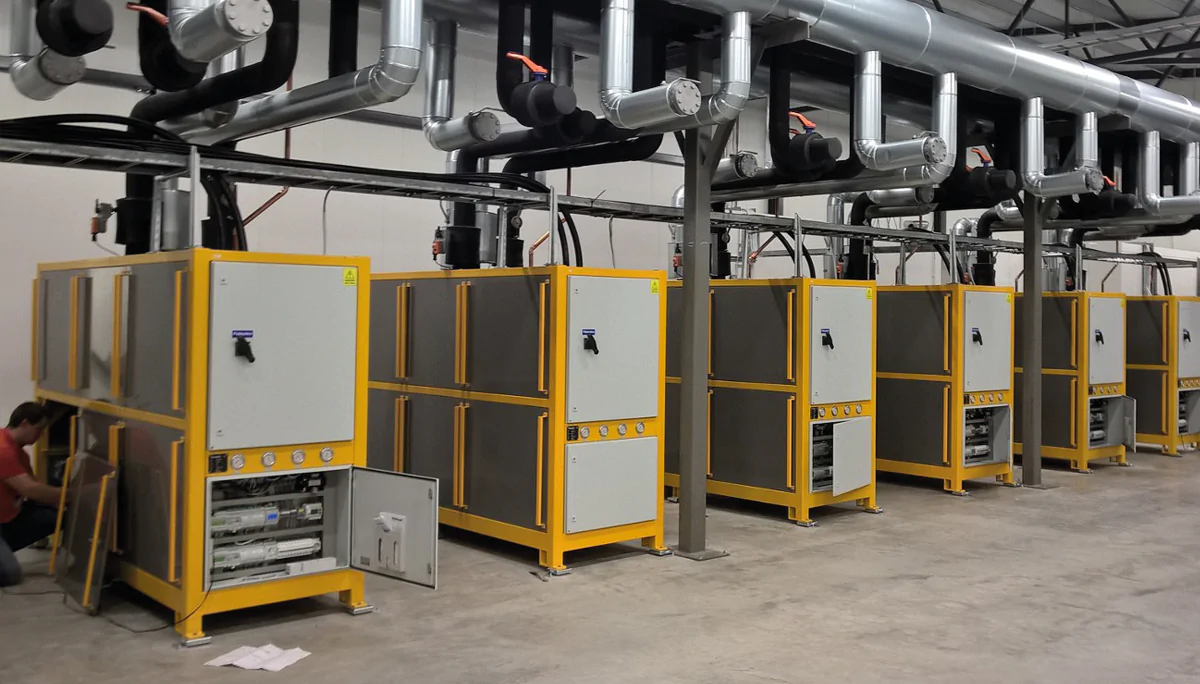
Yandex, often referred to as Russia's equivalent to Google, is a Russian company, but registered in the Netherlands. In total, it has five data centers: 4 in Russia, and 1 in Mäntsälä.
The data center in Mäntsälä was designed to work with international markets as the company "expanded our services globally."
In 2021, the company announced plans to expand its cloud business into Germany, but these plans are presumably on hold since Russia invaded Ukraine.
Following the start of the Russia-Ukraine war, Yandex CEO Arkady Volozh has reportedly seen his net worth drop from $2.6 billion to "just" $580 million, according to Forbes, after the company's stock value plunged by 60%.
It's also worth noting that Nivos is also sourcing a bioheat center from local firm HansHeat Oy to reduce the area's reliance on fossil fuels.