When Google announced Google Glass, the technology emerged as a groundbreaking innovation, promising a new era of wearable technology.
However, its journey was not without controversy, particularly when it intersected with the adult entertainment industry.
It didn't take long until companies and providers of adult entertainment took notice, and saw the potential of recording content in users' (viewers) perspective, in a point-of-view manner (POV).
After all, the Rule 34 states that "if something exists, there is porn of it."
It began when MiKandi, a Seattle-based company known for its adult applications, developed 'Tits & Glass,' an app that allowed users to capture and share explicit content directly from their perspective. The app leveraged Glass's unique capabilities, offering a hands-free experience that was both novel and provocative.
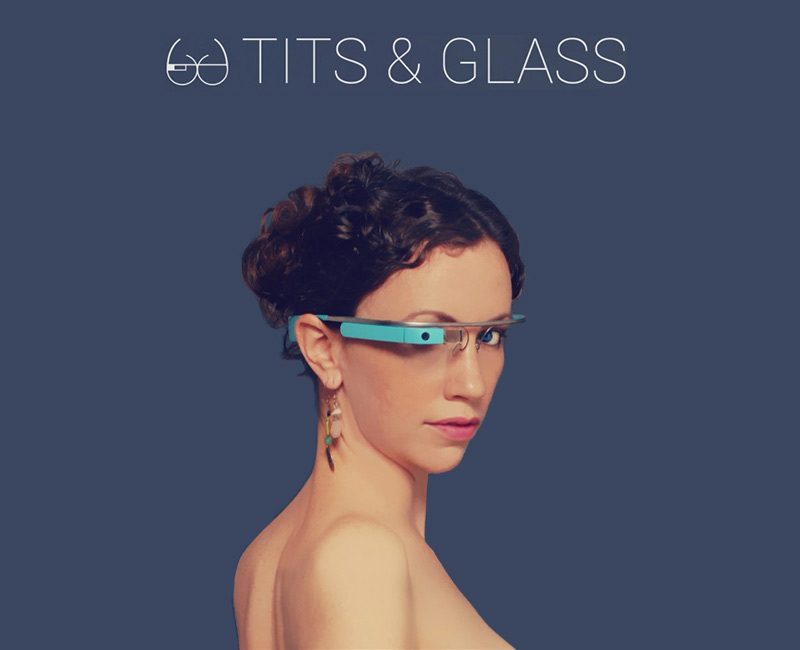
This happened when MiKandi engineer, who wishes to be referred to only as Dr. Cocktor, obtained a pair of Google Glass after attending the Google I/O event in May.
He decided to take things further, and introduce adult entertainment using the technology
After two intensive weeks of development, MiKandi released Tits and Glass, considered the first Glass porn app.
“The first thing everyone thought [when Glass came out] was, OK, it’s obviously going to be used for porn,” said Jesse Adams, a co-founder of MiKandi.
Upon its release, it garnered significant attention, with over 10,000 visitors to its website.
However, the fame was short-lived because Google swiftly removed the app from its platform, only hours after being released.
MiKandi expressed surprise at Google's sudden policy shift, stating that it had carefully reviewed the developer guidelines to ensure full compliance. The company even double-checked every detail to avoid violating any terms, emphasizing that it received no prior warning from Google before the app’s removal.
This happened because Google updated its developer policies to prohibit sexually explicit material on Glass, only after it realized how people started using it for.
The announcement reads: "Glassware content that contains nudity, graphic sex acts, or sexually explicit material."
"They put out a release that said, hey we’re going to change our policies over time, so we’re looking forward to working with our developers to help us form these policies," Jesse said. "We feel like we’re one of the guys who can help them form their policies."
"They quietly updated their terms and didn’t announce to anybody," added Jen McEwen, a co-founder of MiKandi. "And then they punished us for it.” As she wrote on her blog: “If you just want the TL;DR version—our Google Glass porn app went limp when Google updated its Glass Platform Developer Policy.”
Undeterred, Jesse then directed a short film starring adult film performers James Deen and Andy San Dimas.
Shot entirely using Google Glass, the the two porn stars are seen engaging in sex acts, including unsimulated sexual intercourse, in was released on July 23, 2013.

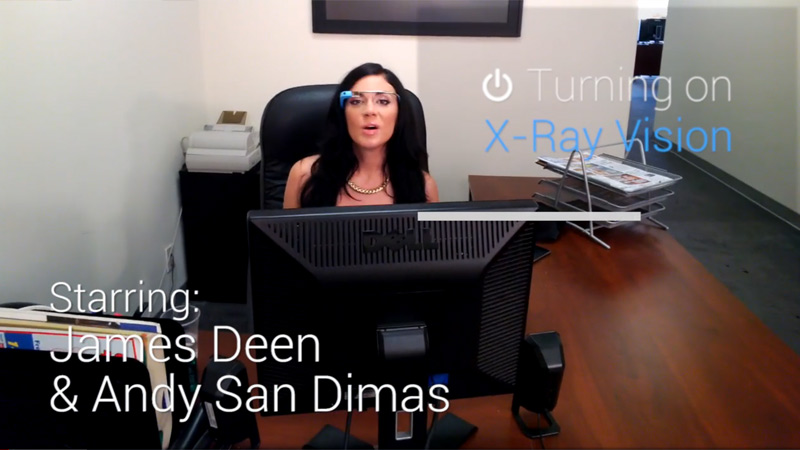



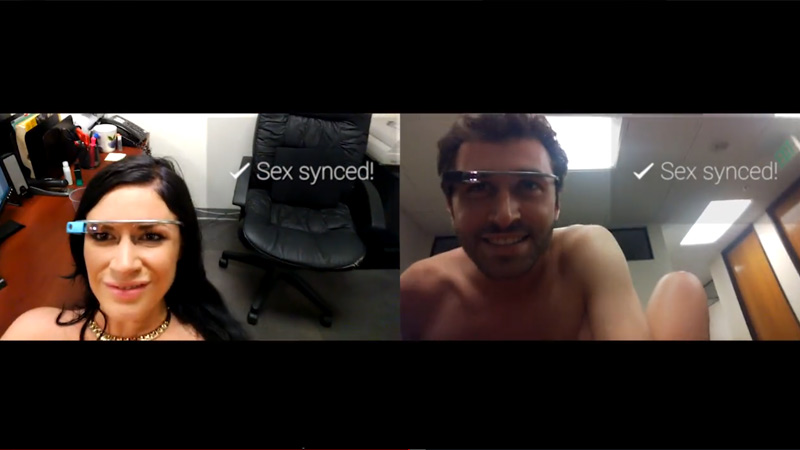
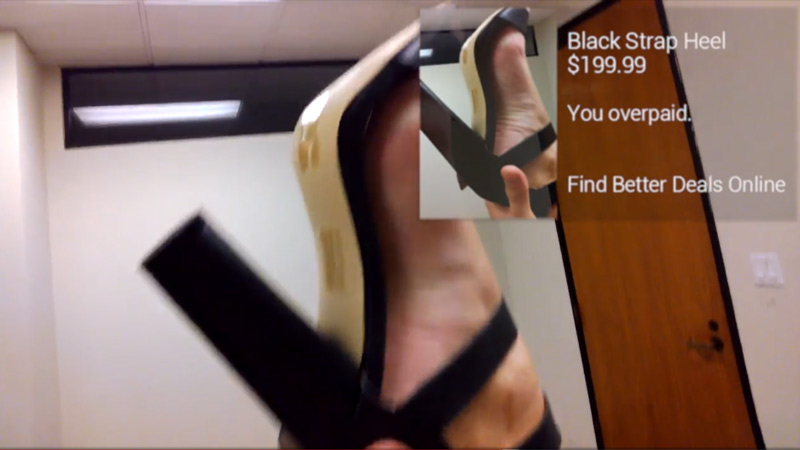
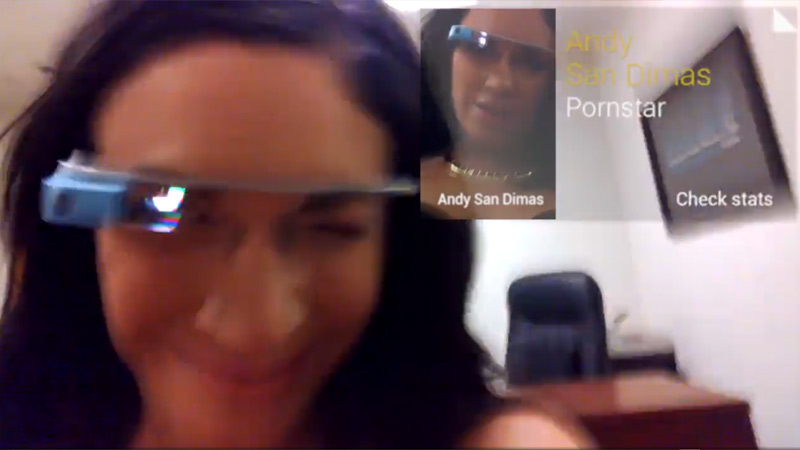
In the film, the two hilariously exchanged conversations about using the technology, activating voice command by mistake, looking up for something from the internet, and more.
This project was part of an early exploration into the use of wearable technology in adult entertainment, offering viewers a unique, first-person perspective. It showcases the possibilities of first-person perspective in adult content, sparking discussions about the future of such technology in the industry.
While the adult industry has historically been quick to adopt new technologies, mainstream platforms often impose restrictions that limit such content.
Google itself has policies and maintains a firm stance against adult content on its platform, this is why Tits & Glass was banned in the first place.
The brief foray of adult content into the realm of Google Glass highlighted the ongoing tension between technological innovation and content regulation.
Regardless, this dynamic underscores the challenges faced by adult content creators in navigating the evolving digital landscape.
As wearable technology continues to advance, the conversation around content regulation and freedom of expression remains pertinent.
It will also spark broader conversations about the intersection of emerging technologies and adult entertainment. As with previous technological advancements, the adult industry demonstrated its adaptability and interest in leveraging new tools to enhance user experiences.
The allure of Glass's hands-free recording and first-person perspective is certainly unique and because of this, chances are, the technology or others similar will continue to captivate content creators as well as potential viewers.
The experience with Google Glass serves as a case study in how emerging technologies can both enable and constrain creative expression, depending on the policies and perceptions of platform providers.




















































































































































































































































































