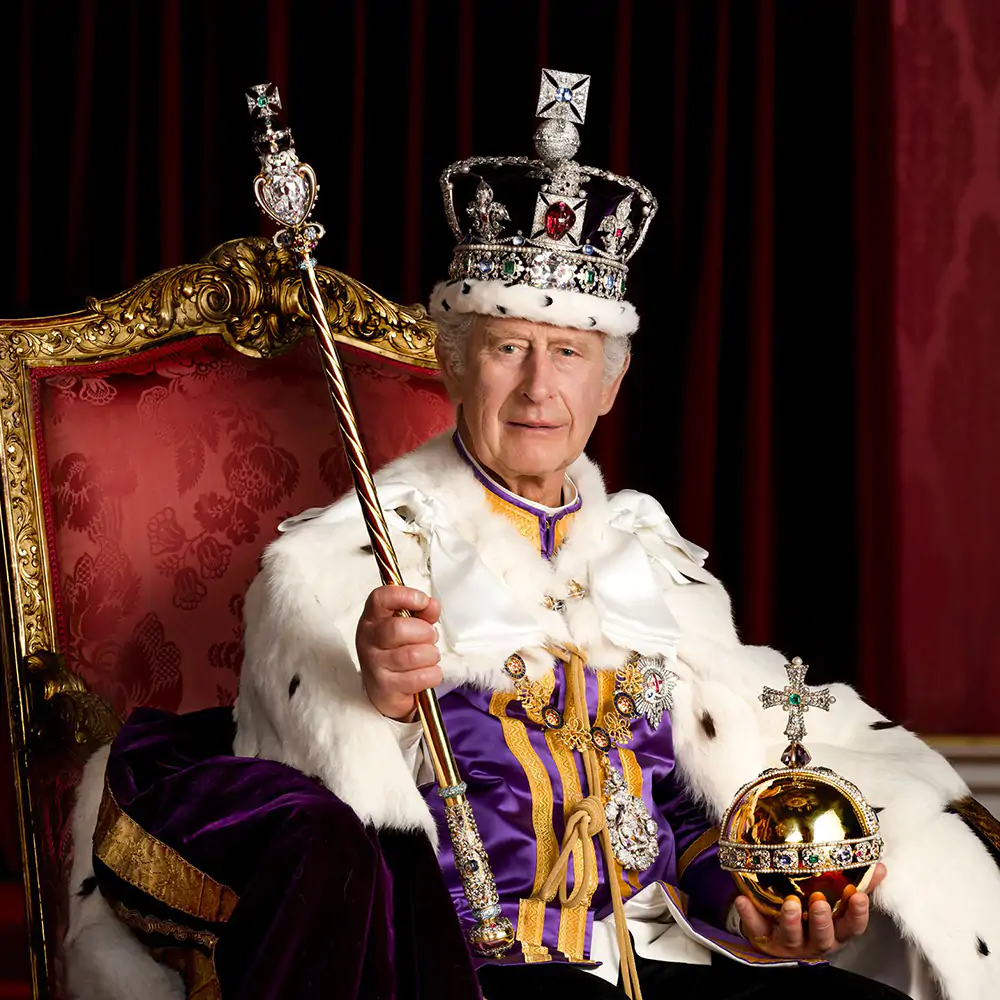
Charles III became King of the United Kingdom and the 14 other Commonwealth realms, after the death of his mother, Queen Elizabeth II.
Born in November 1948 in Buckingham Palace during the reign of his maternal grandfather, King George VI, Charles now is a 75-year-old monarch.
As a man of his age, it was reported that he is planned to undergo a procedure to treat an enlarged prostate.
According to the Buckingham Palace’s announcement, “in common with thousands of men each year,” the king was receiving treatment.
When the news was publicly made available, this has led to a rise in searches for information about the condition.
According to the NHS England, there were 16,410 visits to the health service’s prostate enlargement page on Wednesday, which is equivalent to one person every five seconds.
This is said to be 11-times more the page was experiencing the day before, the day before the news broke.
Preparing for treatment, King Charles III, who is at his private Aberdeenshire home, Birkhall, has taken a break from his public duties on doctor’s advice and cancelled planned meetings at Dumfries House in Ayrshire on Thursday.
In his place, Queen Camilla continued with a solo visit to Aberdeen Art Gallery.
When asked by the city’s lord provost, David Cameron, about how her husband was doing, she said: "He’s fine, thank you very much. Looking forward to getting back to work."
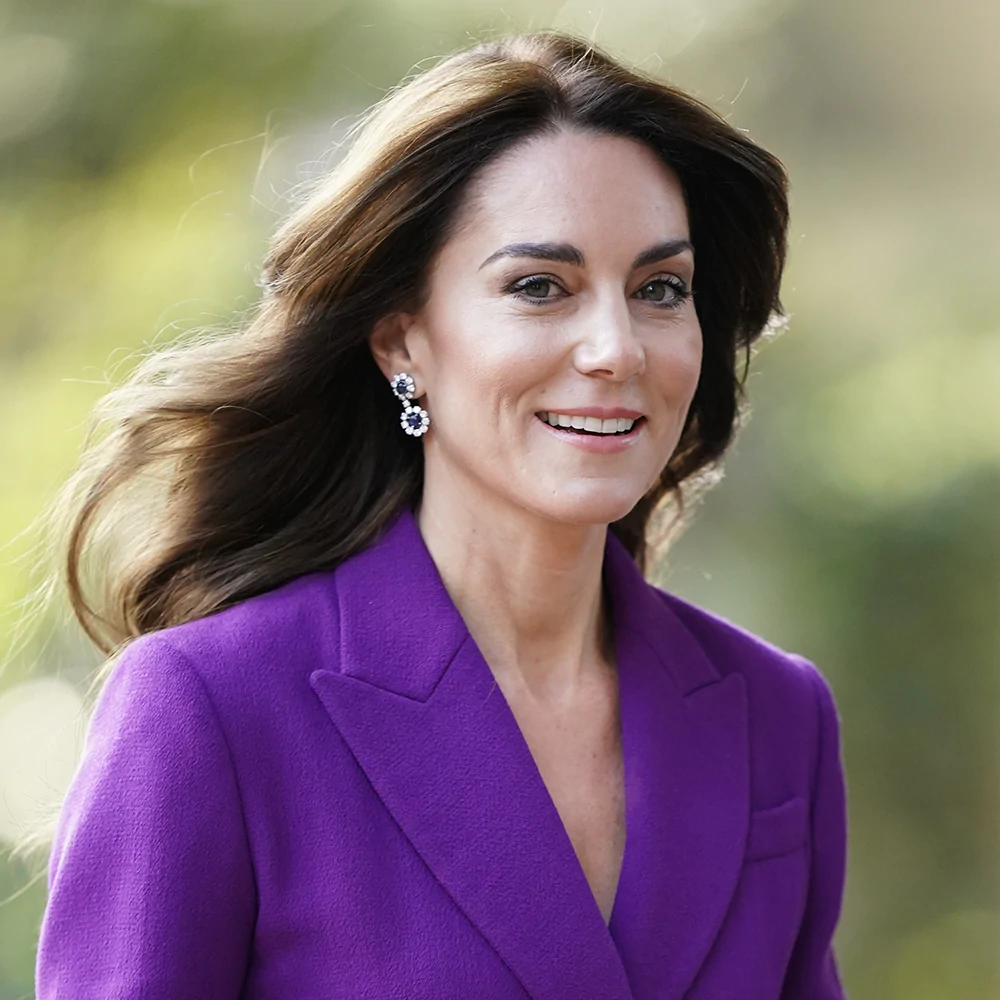
Separately, Kate Middleton, the Princess of Wales, was visited by her husband, Prince William, on her third day in a private London hospital after planned abdominal surgery.
She is expected to spend between 10 and 14 days in hospital after her surgery and is not allowed to resume her public duties for at least several months.
While the news about her being hospitalized is also made public, unlike the king, the nature of her condition has not been revealed, and that she personally requested that her “private medical information” remains confidential.
While the king and the princess are in good condition, this reveals how much the royal family has changed.
It all began when both the Kensington Palace and Buckingham Palace alerted the public that Kate Middleton and King Charles III are dealing with separate health conditions.
With the news delivered only two hours apart, the royal statements simply shows a sharp departure from the monarchy's usual approach to sharing major health updates.
In comparison, back in October 2021, the late queen was hospitalized overnight for what Buckingham Palace described as "preliminary investigations."
News of the hospitalization was only made public once the monarch had returned to Windsor Castle to rest, and that no further comment was given about her condition at the time.
By becoming more transparent, the royals can push out truthful narratives. This should help reduce the onslaught of fake news, rumors and controversies.
In other words, there wouldn't be any leak.

So here, by sharing the news themselves, the royals are literally in control of the narrative, and not at its mercy.
After all, the royals have experienced many things in their many years as royals, including the bombshell revelations by Prince Harry.
In the world of public relation, it's always better to control the news than to react to it.
King Charles's decision to allow details of his procedure to be made public was welcomed by campaigners seeking to raise awareness. “We’re thankful to the king for sharing that he is to be treated in hospital next week for an enlarged prostate,” said Chiara de Biase, the director of support and influencing at the charity Prostate Cancer UK.
“Raising awareness of prostate health is very important and already we are seeing that compared to the same 24-hour period last week, the number of people completing Prostate Cancer UK’s online risk checker is up by over 97%.”
The unexpected twin announcements have been interpreted as marking a new era of openness in the royal family.
Enlarged prostate is common among elderly men, and according to experts, typical treatments are not dangerous.
An enlarged prostate, known also as benign prostatic hyperplasia, or BPH, is a noncancerous condition that occurs frequently among older men. By age 60, more than half of men have at least mild BPH symptoms, which include difficulty urinating and a sense of urgency to urinate. But often the symptoms are not severe enough to require treatment.
The condition is analogous to menopause in women.
The prostate is shaped like a doughnut surrounding the urethra, the tube that carries urine from the bladder to exit the penis. When the prostate enlarges, the tube gets squeezed.
Most men notice symptoms, especially when they urinate more often, and when they get up at night to urinate, and when their urine stream is more feeble.
If symptoms get more severe, men usually are treated with medications to relax the prostate.
Only if the prostate continues to grow, that some men may need surgery.
Read: The Internet Captivated When Netizens Realized 'The Older Woman' Who Took Prince Harry's Virginity






















































































































































































































































































