AI digital assistants have came a long way.
What began as ELIZA from Joseph Weizenbaum in 1966, considered the earliest attempt of creating a chatbot, to Apple's Siri in 2011, people had various tastes of computers-as-assistants helping humans in their tasks.
Microsoft has one too, and it calls it Cortana.
The virtual assistant uses Bing's search engine to answer users' queries, and tap into Microsoft's massive database of information and datasets.
Fast forward, the hype of personal assistants diminished, and Microsoft started reducing the AI's prevalence. In 2020, Cortana was removed from certain markets, and in 2021, the Cortana mobile app was shut down globally.
This time, Microsoft said that it's ending the project.
In June 2, 2023, Microsoft announced that support for the Cortana standalone app on Microsoft Windows shall end in late 2023.
To make this happen, the company is rolling out an update for some Windows users to effectively disable the Cortana app. The update also makes the Cortana app to show a page that says it has been “deprecated.”
In other words, Microsoft is finally retiring its voice assistant.
This means that the company is no longer developing it.
"Starting in August 2023, we will no longer support Cortana in Windows as a standalone app."
However, the update is initially turning off Cortana only on Windows.
Cortana will "continue to be available in Outlook mobile, Teams mobile, Microsoft Teams display, and Microsoft Teams rooms."
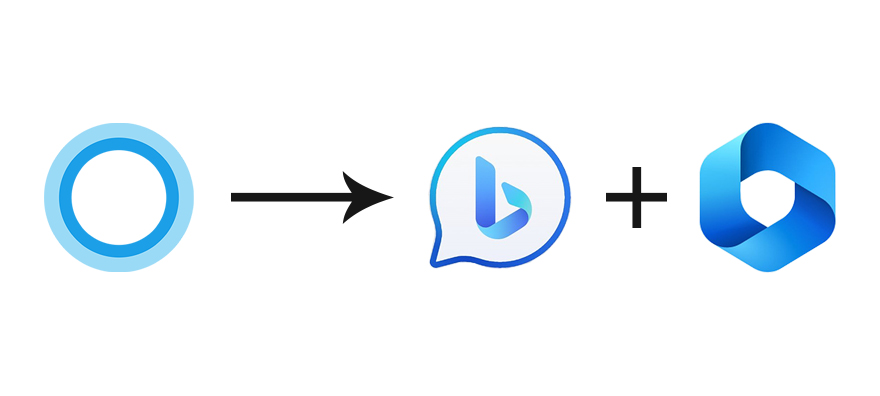
Instead of pursuing the digital assistant, Microsoft is shifting its focus on developing Windows Copilot, and of course, its Bing Chat AI
The announcement of Cortana's demise is unlikely affecting that many people.
Microsoft originally launched Cortana in 2014 to compete with Apple’s Siri. The name comes from "Cortana," the synthetic intelligence character in Microsoft's Halo.
But after a few years, Microsoft began pulling back investment in Cortana as voice assistant software, and since that time, things were pretty obvious: Microsoft started putting less and less focus on the project.
And then, not long afterwards, the tech industry began seeing the resurgence in chatbots, thanks to the arrival of OpenAI’s ChatGPT.
Microsoft, as the main backer of OpenAI, began incorporating the AI into its various products at an extremely fast rate. It even developed its own customized version of OpenAI's AI, and called it the Bing AI.
The company also has what it calls the Windows Copilot, which is a more advanced AI assistant that the company has started to beta-test for Windows users.
Both products, along with Voice access in Windows 11, are also intended to replace Cortana.






















































































































































































































































































