The world saw it coming. But just like any other war that came before it, the Russia-Ukraine war comes with huge loses.
Despite hugely varying numbers, in the first week of Russia's invasion to Ukraine, both sides have lost the lives or soldiers and civilians, with others are either wounded, captured, or displaced. Then, there are equipment losses that include ships, planes, tanks and armored vehicles.
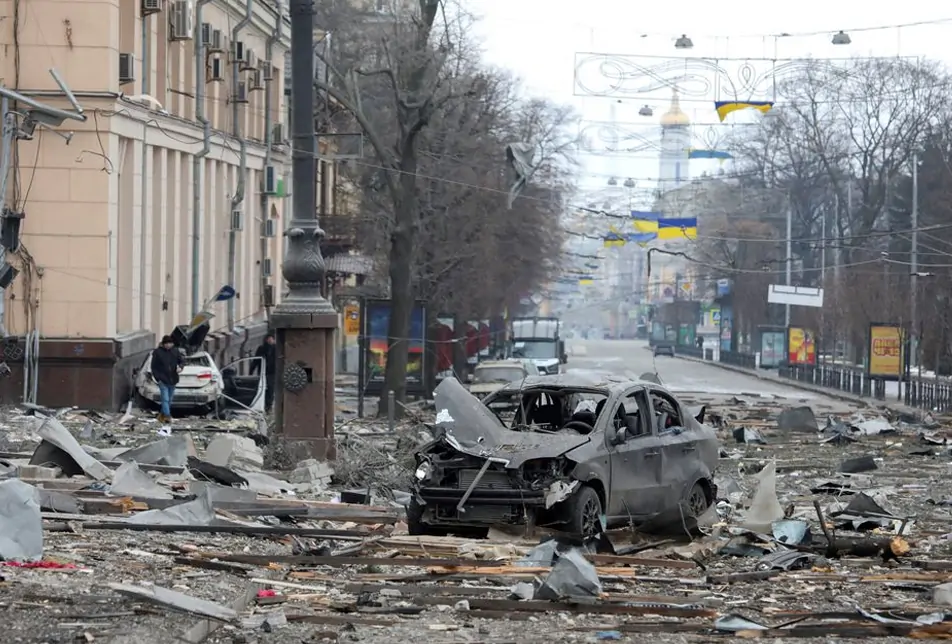
That, not to mention destroyed, vehicles, buildings and other infrastructures in Ukraine.
Sooner than later, oil prices shot high.
But at the same time, prices of cryptocurrencies plummeted to a record low this 2022.
While Russia's rubles and Ukraine's hryvnia also plummeted, it didn't take long for cryptocurrencies to rebound. When rubles and hryvnia dipped and remained low, Bitcoin as the most popular cryptocurrency climbed to above $40,000, as demands for the digital coin increased by both Russia and Ukraine users.
Virtual currencies are traditionally considered risky because of their volatile nature.
But as fiat money and other conventional assets experience curbs and become volatile because of the geopolitical tensions between Russia and Ukraine, cryptocurrencies somehow recover swiftly.
The quick climb was partly caused by the Western powers and the European Union that froze Russia's assets. They did this to make it harder for Kremlin to mitigate the effect of sanctions on some of its biggest lenders and other companies.
The steps are meant to prevent Russia from accessing a "rainy day fund" that officials said Moscow had been expecting to rely upon during the invasion of Ukraine.
Governments in many countries rely heavily on their banks to enforce rules. And this is what the U.S. and its allies are doing.
Through sanctions Russia can no longer access its many funds in keeps in U.S. dollars.
And this in turn plummeted ruble.
Cryptocurrencies on the other hand, are not affected by any geopolitical tension or laws or regulations. And this is both good and bad for the war.

Digital currencies operate outside the realm of standard global banking and the power of governments, with transactions recorded on a public ledger known as blockchain.
With cryptocurrencies becoming more mainstream in many of the world's global financial system, for better or worse, they have inevitably become part of international conflict, too.
When people's access to bank accounts and foreign currency is limited, and also with inflation and fluctuating prices of goods, it's difficult for people to rely on traditional fiat money.
And when going cashless or via ATM, things are becoming increasing difficult for people in Ukraine, because its banks have started limiting the flow of money, in and out of the country.
Cryptocurrencies don't experience this.
This is possible because cryptocurrencies cannot be frozen or censored. This is why Bitcoin "is such an important humanitarian tool," said Alex Gladstein, Chief Strategy Officer at the Human Rights Foundation.
In Ukraine, the government has received donations in cryptocurrencies that already raised to more than $15 million, in less than a week since the invasion.
The millions of dollars are used to help support Ukraine’s army and hacktivist groups.
One non-governmental organization supporting the Ukrainian military has reportedly use the cryptocurrencies to purchase a collection of military equipment, medical supplies, and even a facial recognition app.
Others who fled Ukraine can use cryptocurrencies to store or restore their wealth, in time when Ukraine’s economy collapses.
As the conflict continues, supporters of Ukraine are sending even more cryptocurrencies into the country. On social media sites and platforms like Telegram, people - including their leaders, are sharing their cryptocurrency wallet addresses and soliciting donations.
Stand with the people of Ukraine
Now accepting cryptocurrency donations. Ethereum. Bitcoin and Tether (USDTtrc20)
BTC — 357a3So9CbsNfBBgFYACGvxxS6tMaDoa1P
ETH — 0x165CD37b4C644C2921454429E7F9358d18A45e14
USDT (trc20) — TEFccmfQ38cZS1DTZVhsxKVDckA8Y6VfCy— Mykhailo Fedorov (@FedorovMykhailo) February 26, 2022
The thing about using cryptocurrencies in the middle of a crisis, is the needs for an internet connection and a working device.
While cryptocurrencies are already adopted in Ukraine, there is a learning curve that not everyone has mastered.
And in times like during the war, there is less chance that people are going to understand it quickly.
What's more, there are thousands of cryptocurrencies, and they don’t all work the same way.
And in Russia during this war, citizens could also use cryptocurrencies when realizing that the price of rubles has plummeted.
The Russian government can also utilize cryptocurrencies to avoid sanctions.
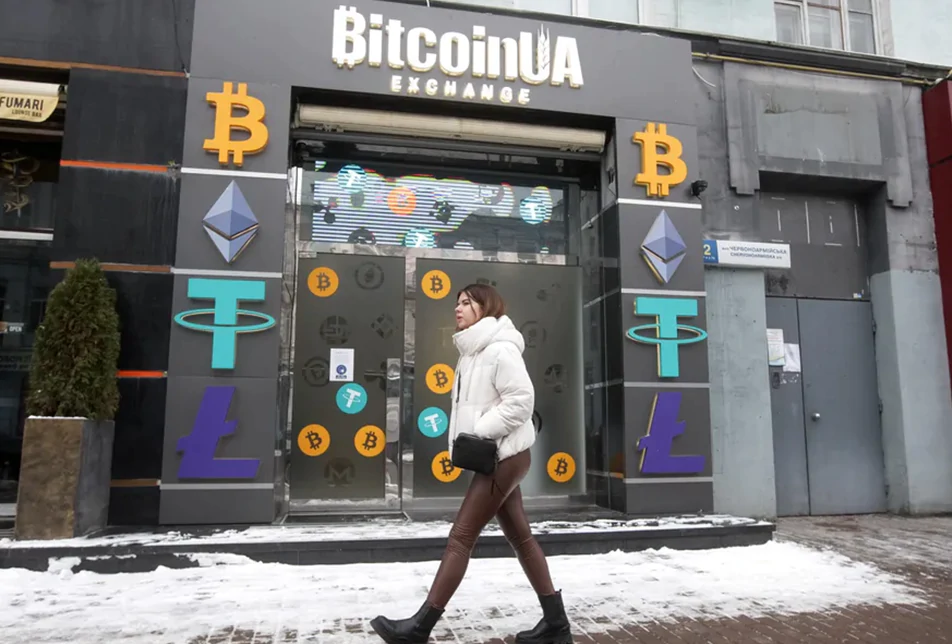

Even before Russia’s invasion of Ukraine, the U.S. government was already worried that cryptocurrencies could lessen the impact of economic sanctions.
Iran, for example, has used Bitcoin mining to bypass trade embargoes, according to research from the blockchain analytics firm Elliptic.
As multiple countries have started hitting Russia with heavy sanctions, concerns include Russia in using cryptocurrencies to move money undetected.
Before the war, Russian government has been developing a digital ruble, and has been building tools to help hide the origins of digital transactions.
What it does, is allowing countries and businesses to continue dealing with Russia, even when banks are not available.
Cryptocurrencies are common in Russia, and in fact, the country is already considered the world’s third-largest Bitcoin miner. This is also why U.S. President Joe Biden and his administration weigh how it might sanction Russian cryptocurrency assets.






















































































































































































































































































