The AI field used to be relatively dull, with little impact beyond its own niche.
However, since OpenAI introduced ChatGPT and showcased the potential of Large Language Models, tech companies, both large and small, have been in a race to develop increasingly advanced AI products.
In pursuit of this, major players have even resorted to scraping the internet, arguing that publicly available data is fair game.
While this practice raises concerns, the White House has now secured commitments from key AI vendors to take action against non-consensual deepfakes and child sexual abuse material.
"Through a multi-stakeholder working group, they will continue to identify interventions to prevent and mitigate the harms caused by the creation, spread, and monetization of image-based sexual abuse," the White House said.

Adobe, Anthropic, Cohere, Microsoft and OpenAI and data provider Common Crawl said that they’ll "responsibly" source and safeguard the datasets they create and use to train AI from image-based sexual abuse.
These organizations - minus Common Crawl - also said that they’ll incorporate "feedback loops" and strategies in their development processes to guard against AI generating sexual abuse images. And also minus Common Crawl, they said that they will commit to removing nude images from AI training datasets "when appropriate and depending on the purpose of the model."
Common Crawl, a repository of data constantly trawled from the open internet that’s a key source used to train AI chatbots and image-generators, committed more broadly to responsibly sourcing its datasets and safeguarding them from image-based sexual abuse.
"Today’s commitments represent a step forward across industry to reduce the risk that AI tools will generate abusive images," the release said.
"They are part of a broader ecosystem of private sector, academic, and civil society organizations’ efforts to identify and reduce the harms of non-consensual intimate images and child sexual abuse material."
While this is a big change towards a desired outcome, many other AI vendors opted not to participate.
Midjourney, Stability AI, and others, for example, declined to participate in the deal brokered by the Joe Biden administration.
It's also worth noting that this is kind of against what OpenAI previously pledged, in which CEO Sam Altman said back in May that the company would explore how to "responsibly" generate AI porn.
Regardless, the White House touted them as a win in its broader effort to identify and reduce the harm of deepfake nudes.
Read: How 'Customizable' Pornography Made By Artificial Intelligence Can Disrupt Online Pornography

The White House initiative is part of its Call to Action to Combat Image-Based Sexual Abuse, which is a broader campaign against image-based sexual abuse of children as well as the creation of pornographic AI deepfake images of adults without their consent.
Issued by the White House in May 2024, the initiative is intended to serve as a guide for the tech industry in combating IBSA and protecting privacy, expression, and safety.
IBSA, a term coined by scholars Clare McGlynn and Erika Rackley, includes the creation and distribution of nonconsensual intimate images.
While this abuse is nothing new, it has been significantly exacerbated following the popularity of social media and the rise of generative AI trends.
Here, the voluntary principles recognize that “regardless of whether the images are authentic or inauthentic, IBSA can cause devastating psychological, financial, and reputational harm. It can also be a factor in harassment, impersonation, and offline violence.”
The principles underscore IBSA’s disproportionate impact on women and girls (especially women and girls of color) and the LGBTQI+ community.
Such images have "skyrocketed, disproportionately targeting women, children, and LGBTQI+ people, and emerging as one of the fastest growing harmful uses of AI to date," said a statement from the White House’s Office of Science and Technology Policy.

In a separate pledge, another group of companies, which include the likes of Aylo, Bumble, Discord, Hugging Face, Match Group, Meta, Microsoft and TikTok, announced a set of voluntary principles to prevent image-based sexual abuse.
Payment companies have also agreed to join the fight to stop sexually abusive synthetic content. Cash App and Square, for example, have both agreed to monitor and curb payments related to producing or publishing image-based sexual abuse, as well as expand participation in initiatives to detect sextortion schemes.
Google additionally agreed to begin adjusting its search engine results to combat non-consensual images.
Not only tech companies in the private sector pledge to help curb nonconsensual porn, as civil society organizations and also academics have announced a set of voluntary principles they agree to follow.
Others include the Center for Democracy & Technology, the Cyber Civil Rights Initiative, the National Network to End Domestic Violence, the Free Speech Coalition, Centre for Digital Citizens, the Sexual Violence Prevention Association, the Human Rights Campaign, and LGBT Tech. Individual signers include Carolina Are of Northumbria University Newcastle; Renee DiResta, former research manager at the Stanford Internet Observatory; and Elissa Redmiles of Georgetown University.
Civil society groups, which signed commitments to help public and private sector entities monitor the results of such efforts, include the Center for Democracy and Technology, the Cyber Civil Rights Initiative and the National Network to End Domestic Violence.
Each of them participated in their individual capacity.
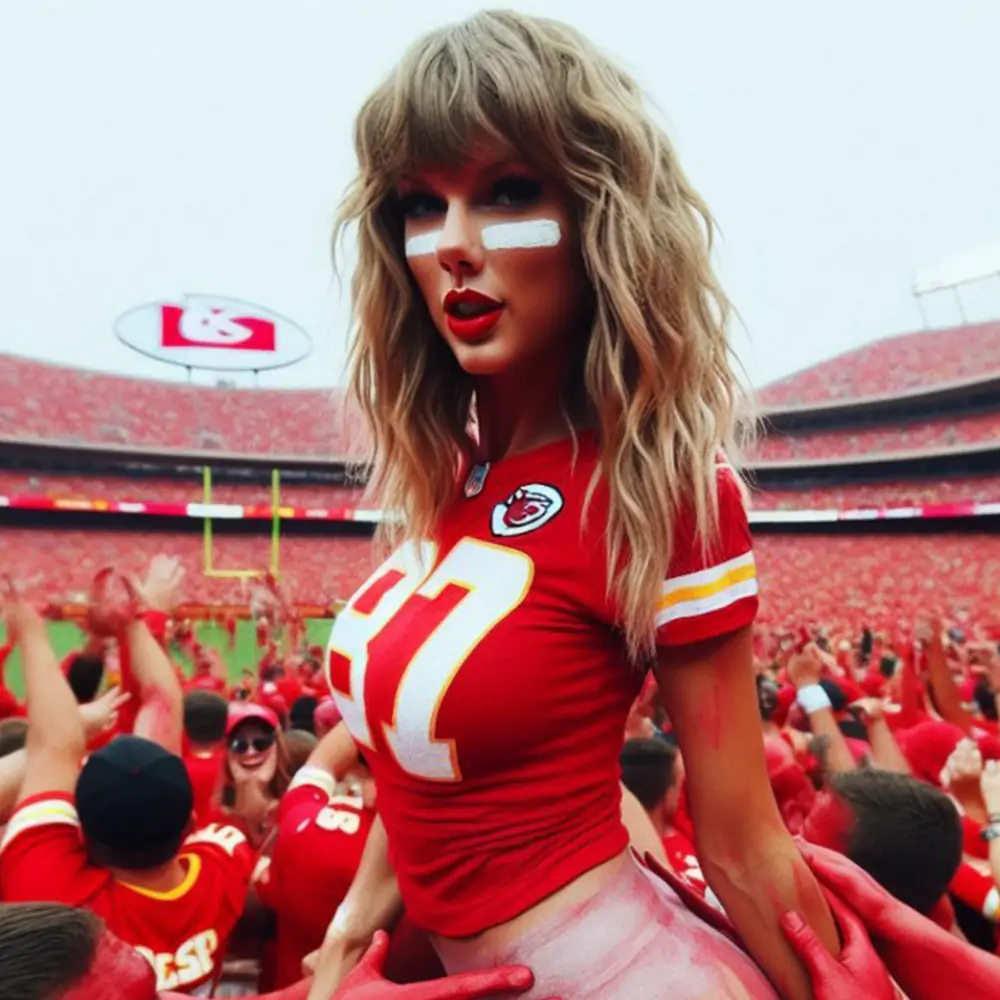
It's worth noting that the announcements were tied to the 30th anniversary of the Violence Against Women Act.
"Thirty years after the passage of the Violence Against Women Act, more work is urgently needed to address the harms caused by image-based sexual abuse," said Alexandra Reeve Givens, President and CEO of the Center for Democracy and Technology.
"Technology can and should be a tool for empowerment, not abuse. These principles can guide the tech industry in guarding against the harms posed by IBSA and supporting people’s ability to participate in trustworthy online spaces."
"For over a decade, the Cyber Civil Rights Initiative has been sounding the alarm about the devastating impact of image-based sexual abuse, especially on women, girls, and sexual minorities," said Dr. Mary Anne Franks, President of the Cyber Civil Rights Initiative.
"The nonconsensual disclosure of sexually explicit images, whether real or manipulated, causes grave psychological, economic, and reputational damage. Image exploitation chills the freedom of expression of those targeted and undermines their equal participation in society. Because technology plays a central role in the acceleration and amplification of image-based sexual abuse, tech industry leaders have a responsibility to combat it. While the endorsement of these basic Principles is a positive signal, the real measure of tech accountability will be in the implementation of effective preventive measures against this abuse."
"Image-based sexual abuse and, specifically, the non-consensual distribution of intimate images are long-standing, deeply concerning issues that intersect with intimate partner violence," said Stephanie Love-Patterson, President & CEO of the National Network to End Domestic Violence.
"NNEDV is dedicated to the ongoing work necessary to thoroughly address these issues. We are happy to see companies signing onto these principles as they will guide the development of best practices and industry standards. The next step for meaningful impact, for both prevention and response, will be in the implementation. This collaboration and joint effort signifies a real commitment to this work."

















































































































































































































































































