Social media is essential for communication. In today’s world. It allows people to stay connected, share updates instantly, and engage with others across the globe.
Whether for personal use, business, or activism, it breaks down barriers and makes interactions more dynamic and far-reaching.
However, social media also has its downsides. It can contribute to mental health issues like anxiety and depression, foster unrealistic comparisons, and spread misinformation quickly. Excessive use may lead to decreased face-to-face interactions and privacy concerns. Additionally, the addictive nature of social platforms can negatively impact productivity and personal well-being.
And in Albania, located at Europe’s Balkan Peninsula, the small country with Adriatic and Ionian coastlines, had enough of this.
For one year, the country of the Balkans want to ban TikTok.
This happens after the death of a teenager in the country, allegedly happened after a debate on the Chinese-owned social media.
Albania’s Prime Minister Edi Rama announced a one-year ban on TikTok in the country, blaming it for the death of a 14-year-old schoolboy who was stabbed by a fellow pupil in November.
At the time, the boy was killed, and another boy was injured in a fight near a school in Tiranë, following an argument that started on social media.
The killing sparked a debate in the country among parents, psychologists and educational institutions about the impact of social networks on young people.
"For one year, we’ll be completely shutting it down for everyone. There will be no TikTok in Albania," Rama said Saturday.
The prime minister accused social media, and TikTok in particular, of fueling violence among youths.
In fact, after the stabbing, and the death of the unfortunate boy, videos surfaced on TikTok shows how lots of young people are expressing support for the killing.
"The problem today is not our children, the problem today is us, the problem today is our society, the problem today is TikTok and all the others that are taking our children hostage," Rama said.
The ban is expected to come into effect early next year.
"We are going to chase this thug out of our neighborhood for one year," Rama said.
He added that the government will start programs that will "serve the education of students and help parents follow their children's journey."
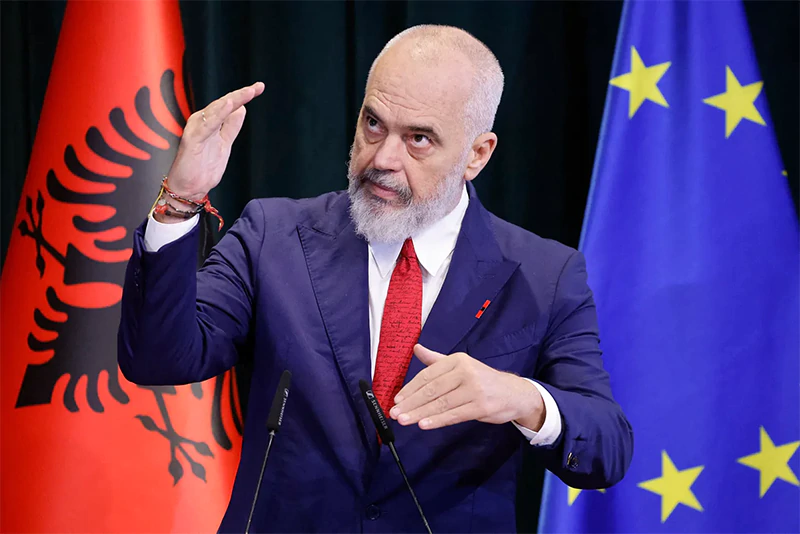
Albanian authorities have stepped up police presence and strengthened cooperation with parents as part of a broader effort to enhance school safety.
In about a month since the boy's death, the authorities have held more than 1,000 meetings with teachers and parents throughout the country.
"The ban on TikTok for one year in Albania is not a rushed reaction to a single incident, but a carefully considered decision made in consultation with parent communities in schools across the country," Rama said.
Albania joins a growing list of European countries voicing concerns about the impact of social media on young people.
Nations within the European Union, including France, Germany, and Belgium, have already implemented restrictions on social media use among youth.
Now, Albania is following suit, recognizing that no life is worth losing to the dangers posed by social media.
"In China, TikTok promotes how students can take courses, how to protect nature, how to keep traditions," said Rama.
"But on the TikTok outside China we see only scum and mud. Why do we need this?"
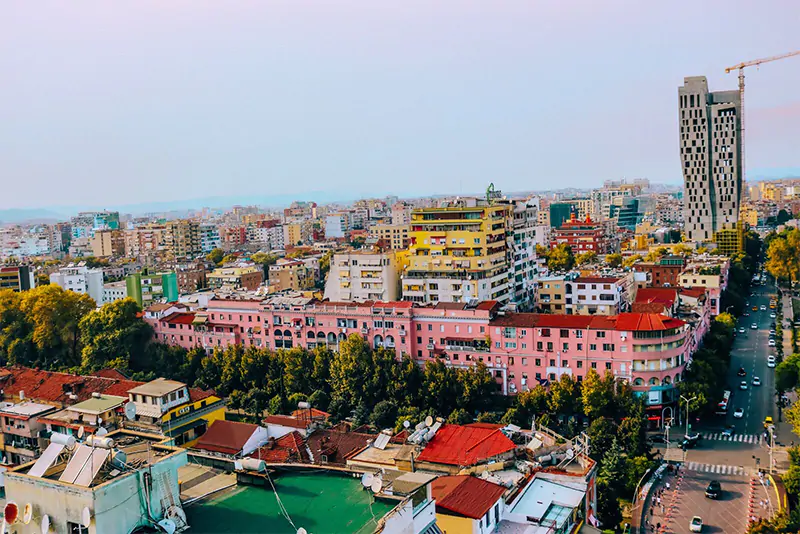
"To claim that the killing of the teenage boy has no connection to TikTok because the conflict didn’t originate on the platform demonstrates a failure to grasp both the seriousness of the threat TikTok poses to children and youth today," Rama said.
And the banning is part of a larger effort to make schools safer.
In response to Rama's statement, TikTok responded by asking for "urgent clarity from the Albanian government" on the case of the stabbed teenager, reports said.
The company, which is owned by Beijing-based ByteDance, said it had "found no evidence that the perpetrator or victim had TikTok accounts, and multiple reports have in fact confirmed videos leading up to this incident were being posted on another platform, not TikTok."
It's said that some 90% of parents approve the ban, but the younger generation, which makes up most of the app’s users, does not approve.
It's worth noting that TikTok is already banned in India. The country was one of the app's largest markets before it was outlawed in June 2020.
TikTok is also banned in Iran, Nepal, Afghanistan and Somalia.














































































































































































































































































