War of all forms, can cost the lives of people, and damages that can take years or even decades to mend.
And when the internet is a concern, people have been using the technology to express their thoughts and opinions. And sometimes, the amount of personal perspectives outweigh real news. And eventually, this can result in the creation of fake news that spread beyond control.
YouTube is the most popular video-streaming platform.
Amid Russian invasion to Ukraine, the Google-owned platform has seen a significant increase in the number of people in Ukraine, Poland, and Russia, who wish to view videos about the conflict.
In order to keep its platform free of misinformation, disinformation and malinformation, YouTube has carried out a clean-up of 70,000 videos and 9,000 channels on its platform.
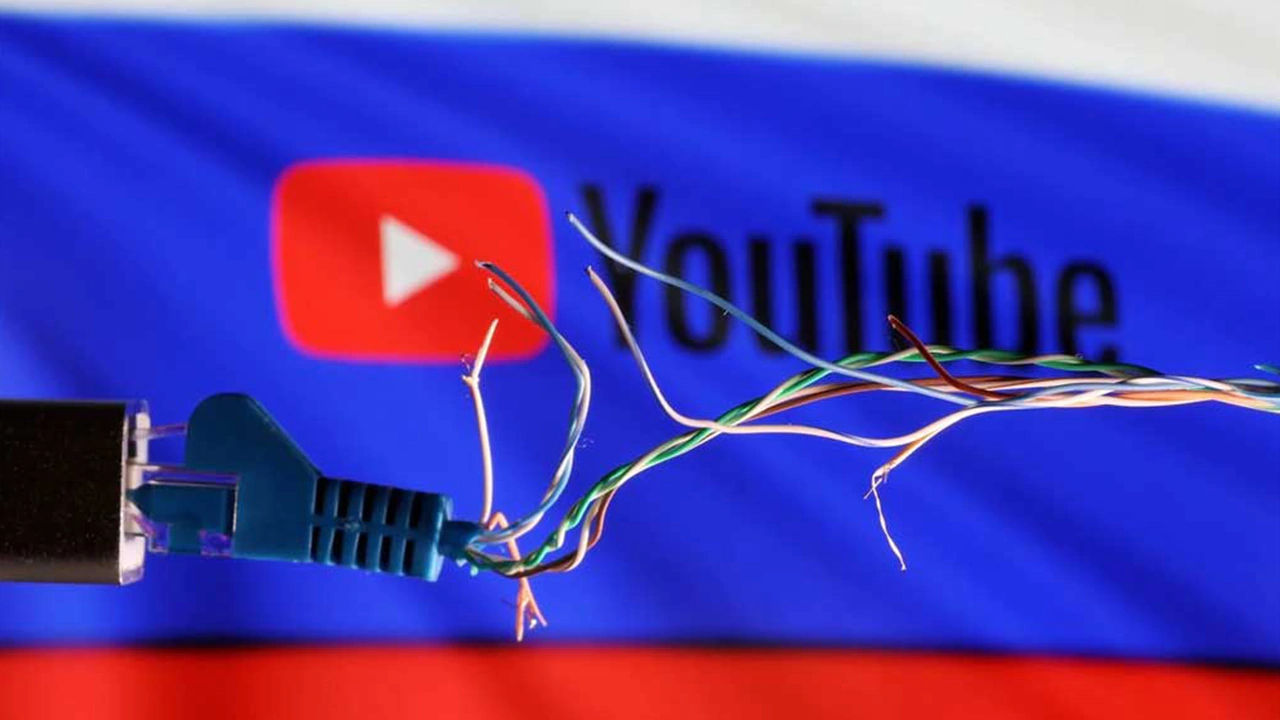
YouTube's move is based on videos and channels related to the war in Ukraine that violate the company's content guidelines.
But it's worth noting here, that the videos and channels YouTube removed were breaking major violent events policy, which prohibits creators from denying or trivializing events.
"We have a major violent events policy, and that applies to things like denial of major violent events: everything from the Holocaust to Sandy Hook. And of course, what's happening in Ukraine is a major violent event," said YouTube Chief Product Officer Neal Mohan. "And so we've used that policy to take unprecedented action."
YouTube did not detail which videos and channels were affected, but Mohan said many of them were "narratives that are coming from the Russian government or Russian actors on behalf of the Russian government, or Russian actors on behalf of the Russian government."
Since Russia invaded Ukraine in February, YouTube has removed videos that described the war as a "liberation mission," as well as a channel belonging to the pro-Kremlin journalist Vladimir Solovyov, for example.
Read: Russia-Ukraine War On The Internet: Between Cyberattacks To Censorship, Encrypted Messages And More
The platform is hugely popular around the world, and in Russia, it's not an exception.
The platform has an estimated 90 million users in Russia, although it no longer allows advertising on the platform in the country.
Unlike some of its U.S. peers, it has not been shut down despite hosting content from opposition figures such as Alexei Navalny.
The decision by YouTube’s parent company, Google, to remain in Russia, has drawn criticisms.
But Google has its own reasoning.
"The first and probably most paramount responsibility is making sure that people who are looking for information about this event can get accurate, high quality, credible information on YouTube," said Mohan.
"The consumption of authoritative channels on our platform has grown significantly, of course in Ukraine, but also in countries surrounding Ukraine, Poland, and also within Russia itself."
Read: Google Intends To File Bankruptcy In Russia After Its Russian Bank Account Is Seized

"YouTube remains the largest video-sharing site up and running in Russia itself," said Mohan.
"YouTube is a place where Russian citizens can get uncensored information about the war, including from many of the same authoritative channels that we all have access to outside of the country. We remain an important platform for Russian citizens themselves as this crisis continues to evolve," Mohan added.
While YouTube is playing with fire the longer it is in Russia, Russian Minister for Digital Development, Maksut Shadaev, has in fact said that the country would not block YouTube, despite disputes over content that have resulted in the platform being fined in court for not removing banned videos.
Shadaev indicated that blocking YouTube would certainly affect users.
"We are not planning to close YouTube," the minister said. "Above all, when we restrict something, we should clearly understand that our users won’t suffer."






















































































































































































































































































