Humans have accomplished many things in technology. But if there are a few things that they still cannot do, is create a proper, functioning organ.
It is said that the average waiting time for a kidney transplant is around eight years. With hundreds of people waiting in line awaiting organs from brain dead donors, the challenge is that, there is a huge shortage of donors.
As a result of having a higher demand than supply, some human organs can have prices of over a million dollars.
But how high is too high, if the cost of having an organ transplant can save someone's life? If that someone has money, it's likely that there is no cost that is too great.
Because of this, parties see this as an advantage, and consider it an opportunity to make money.
But some parties do this by considering illegal means.

Taiwan is the land of many wonders.
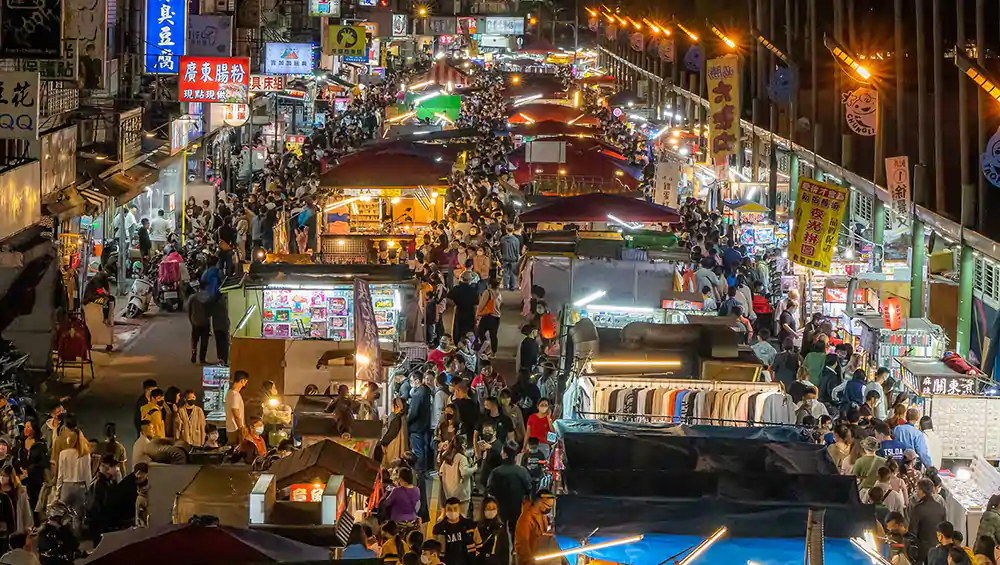
Known for its stunning landscapes, delicious street food, rich culture, and vibrant history, Taiwan truly has a lot to offer. And one of the many, is its bustling night markets, which operate in urban or suburban areas between sunset and sunrise.
Also called yèshì, these night markets use purpose-built marketplaces, on sidewalks or even entire streets.
With the crowded vibe and rich in treats, music can be heard playing.
While these night markets are noisy and packed with vendors, they are filled with vibrant lights with rich treats.
These places can turn a once-a-quiet-street into a hub for entertainment and relaxation.
Because of this, these night markets have become popular places to visit by many locals and tourists to unwind.
And this is where organ harvesters work.
In the winter of 2022, a man that goes by the name Ah Wei was struggling with life, with relentless job hunts and job applications went unsuccessful. During these dark days, he received a message from Hsieh, a former schoolmate.
She offered him a job, mentioning a position in Cambodia, which a monthly salary of $2,000.
The two agreed to meet in a night market in Taoyuan, a county in capital Taipei, for what was termed a reunion.
Upon arrival, Ah Wei found they were meeting at a bar. Hsieh was already there, and she warmly greeted Ah Wei. With the two knowing each other since childhood, things were nostalgic, and they were both indulged in laughter and companionship.
Just like any fun and casual meetings, and thanks to the rice wine that kept on coming, Ah Wei lost track of time.
Ah Wei felt excited by the prospects of working in Cambodia, and thinking that his miseries are over, he drank even more alcohol.
Slowly, Ah Wei passed out, unknowingly that he fell into the trap of a predator.
Deep in the murky world of the black market, some unlawful parties are harvesting organs, and one of these people, is Hsieh, or professionally referred to as the 'Scorpion Lady.'
From mere vitamins to drugs, to therapies and beyond, human skin, heart and lungs, cornea, kidneys, or even entire dead bodies, come with a price tag.
According to rough calculations based on various sources, if someone could harvest every organ and chemical inside their body, the money they could make ranges from a few hundreds thousand dollars, to tens of millions of dollars.
The most important part of the human body besides the brain, is the heart, which could fetch up to a millions dollars.
Liver comes second, with around $500,000, and kidneys cost around $250,000 each.
Skin is about $10 per inch, stomach around $500, and eyeballs can have a price tag of around $1,500.
Unsurprisingly, organs are offered for far less on the black market. But because it's called the black market, recipients will never know where those body parts come from.
And just like the name suggests, black market means that things aren't transparent.
It has been reported numerous times that organ donors came from developing countries.
Sometimes, the donors come by themselves, trying to sell their body parts to feed their families. These people can get only a few thousand dollars. Worse, some people get their body parts stolen by syndicates.
Some died, some still live to tell their story.

And here, Hsieh, the Scorpion Lady, was linked to a notorious crime syndicate called the 'Snakehead gang.'
While 'Snakehead' typically refers to those people involved in illegal migration from China, the term has also been associated with a broader spectrum of criminal activities.
And this includes organ trafficking.
Before Ah Wei was too drunk, Hsieh told him that he had to have a pre-departure full health checkup, including COVID-19 screening. The cost for this would be covered by the company.
Little did Ah Wei knew, that this health checkup was actually an organ screening.
After Ah Wei fell unconscious, Hsieh handed him over to the Snakehead gang earning herself NT$10,000, or around $300.
Hsieh may was his friend, but at the time, she has become a scam artist who would prey on anyone.
After capturing Ah Wei, the gang first took him to a motel and then tried to open savings accounts online using his name at banks in Hsinchu and New Taipei City, with the purpose of draining his other accounts.
However, they failed to do so as his state of drunkenness was apparent and raised the suspicions of bank employees.
Undeterred, the gang created anonymous accounts on the messaging app Telegram to send out ads, seeking buyers looking for "fast deals."
They also communicate their illegal organ harvesting services to an agent known as a “car dismantler," code for organ harvesters, in order to reach certain groups. Shortly after their ad was released, a buyer offered NT$2 million.
Easy money.
The gang then arranged a nighttime meeting with the client in a deserted parking lot.
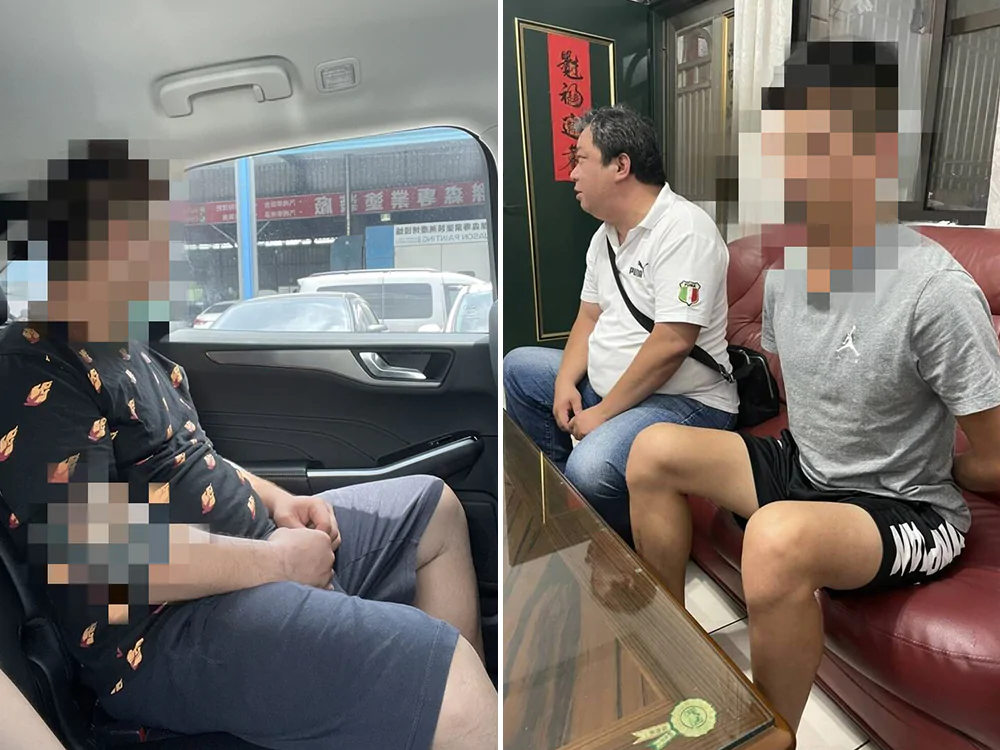
In their vehicle, Ah Wei was still unconscious.
When the two parties meet, the buyer was then revealed to be an undercover police officer.
The quiet and dark night suddenly broke its silence with sounds of police sirens, which lit the streets.
The gang had been under surveillance across five significant locations, from car dealerships to Taoyuan's bustling nightlife market areas.
At the parking lot, members of the gang, including Hsieh, were apprehended. Later, more accomplices connected to the syndicate were captured.
Hsieh and her accomplices are charged with human trafficking, robbery and organized crime.
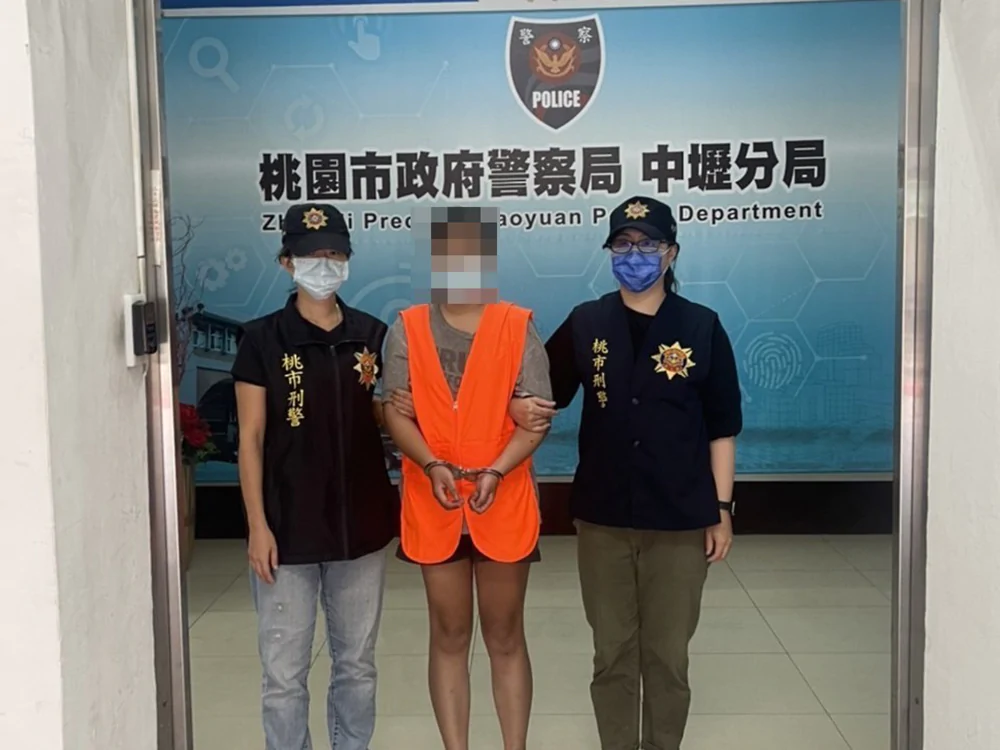
While the gang was cunning, the police was smarter.
Their initial lead to the syndicate was during a fraud investigation connected to Cambodia. A critical clue was a mobile phone owned by an individual named Lin. The phone's data suggested organ harvesting activities with reference to a 'piglet' named Huang.
The word piglet here refers to a victim that was about to get their organs harvested.
There were also terms like "full dismantlement," meaning that the heart, liver, kidney, and cornea could be removed.
With this finding, the police deepened their investigation.
When approached, Huang was initially uncooperative, and was too scared to speak out. But when he eventually cooperate, he unveiled the Snakehead gang's existence.
This confession ignited a determined effort to shut down the criminal operation.
Huang said that he was offered a hefty sum for his organs, for around $15,000 up front, with another $15,000 upon his arrival in Cambodia. The only thing that saved him from organ harvesting was the last minute retraction of his buyer.
Abandoned in Cambodia, he managed to return to Taiwan with assistance from the Ministry of Foreign Affairs.
Huang explained that Hsieh was tasked by the gang with finding the victims, or "piglets," whereas Lin was in charge of finding the organ buyers, and Tsai was in charge of managing the departure of the piglets from Taiwan to Cambodia.
Huang's testimonial allowed the Taiwanese police to monitor the gang leading to the car park apprehension.
Public prosecutors charged the group with attempted human trafficking, by the deprivation of freedom of movement, coercion, and deceit as well as attempted harvesting of human organs, proposing that the court impose a heavy sentence.
While members of the syndicate have been arrested, the overall scale of the gang, and probably other gangs, remain murky.
Investigations indicate their sphere of influence isn't limited to just Taiwan.
Taiwanese gangs have been reported to be in cahoots with Cambodian criminal organizations, luring people to the Southeast Asian nation to participate in scams or other illicit activity under coercion.
Collaborations between Taiwanese and Cambodian gangs are believed to foster a hot spot for crimes, and these crimes encompass human trafficking, slavery and even homicides.
In the dark underworld illegal organ harvesting, operation often lack medical safety, or even properly-trained medical personnel.
Sometimes, method involves heavily sedating victims using drugs, or submerging them in an ice bath to numb the body, and began incisions to extract the organs.
Kidneys are often trafficked because not only they're vital and high in demand, but also because humans generally have two kidneys, and extracting one from a healthy victim would not kill the victim.
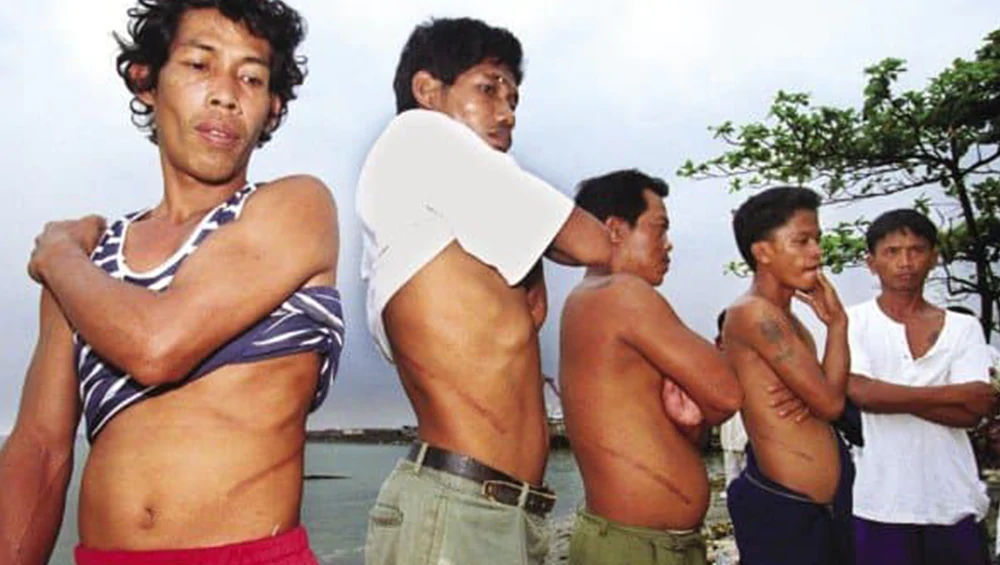
Diving into the dark world of illegal organ trade reveals just how far reaching the grasp of criminal syndicates has become.
And here, anonymous messaging apps for communications, and the dark web for targeted exposure, have make these people's work easier.
It's even known that there are dark web websites that resemble a proper e-commerce platforms, complete with shopping cart and checkout system, and even a form to type in shipping details.
But instead of traditional goods, some of the dark web websites boldly announces "human organs and human body parts for sale with 100% discrete packaging and safe shipping worldwide."
It displays graphic images of human organs each, complete with a price tag.

Upon navigating to the shipping section, the website assures buyers "your organ will be delivered directly to your home."
Other websites offer a disturbing array of items and services, including firearms, drugs, fake documents, contract killers and even live babies.
While transactions through the dark web may as well be scams, but what's certain is that, technology has become the tool for the job.
Criminals even use surface web's platforms, including Facebook and Instagram, to gather data about potential donors.
Criminal networks are expanding their reach now targeting tech savvy teenagers who are often multilingual. Their digital skills make them prime targets for illegal online activities such as online scams and illegal gambling.
Unlike other forms of trafficking that unite people from shady backgrounds, the organ trade involves high, to at least middle-class levels of society, ranging from financially-motivated surgeons, doctors, laboratory technicians, travel agents, as well as to the lowest criminals, thugs and desperate outcasts.
Sometimes, the criminal ring also involve corrupt officials from the police department or the immigration office.
Regardless, catching the Scorpion Lady and her accomplices marks a significant milestone in the fight against human trafficking and cybercrime in Southeast Asia.














































































































































































































































































