For more than many times, neighboring countries share the same language and culture. This is because the countries may borrow some of its neighbors' and/or adapt some to fit their own, simply because they share the same history, and/or ancestry.
Sometimes however, a country can claim something of its neighbors as its own, neglecting the facts and opinions of others.
The hanbok for example, is a traditional garment that literally means "Korean clothing." The clothing that consists of a long-sleeved jacket and a voluminous, high-waisted skirt, can be traced back the the 1st century BC. Hanbok was used in many of Korea's rulers and aristocrats.
However, hanbok was also heavily influenced by foreign cultures, like those from Chinese dynasties, which have very similar designs, such as the po and the simui from the Song and the Ming dynasties. Even the Mongolians have similar clothing.
Due to the clothing's long history, the origin of the hanbok is heavily debated between a number of countries.
And this time, fiery debates sparked when a Chinese woman wore the hanbok during the 2022 Beijing Winter Olympics' opening ceremony on February 4, to represent a minority ethnic group of China.
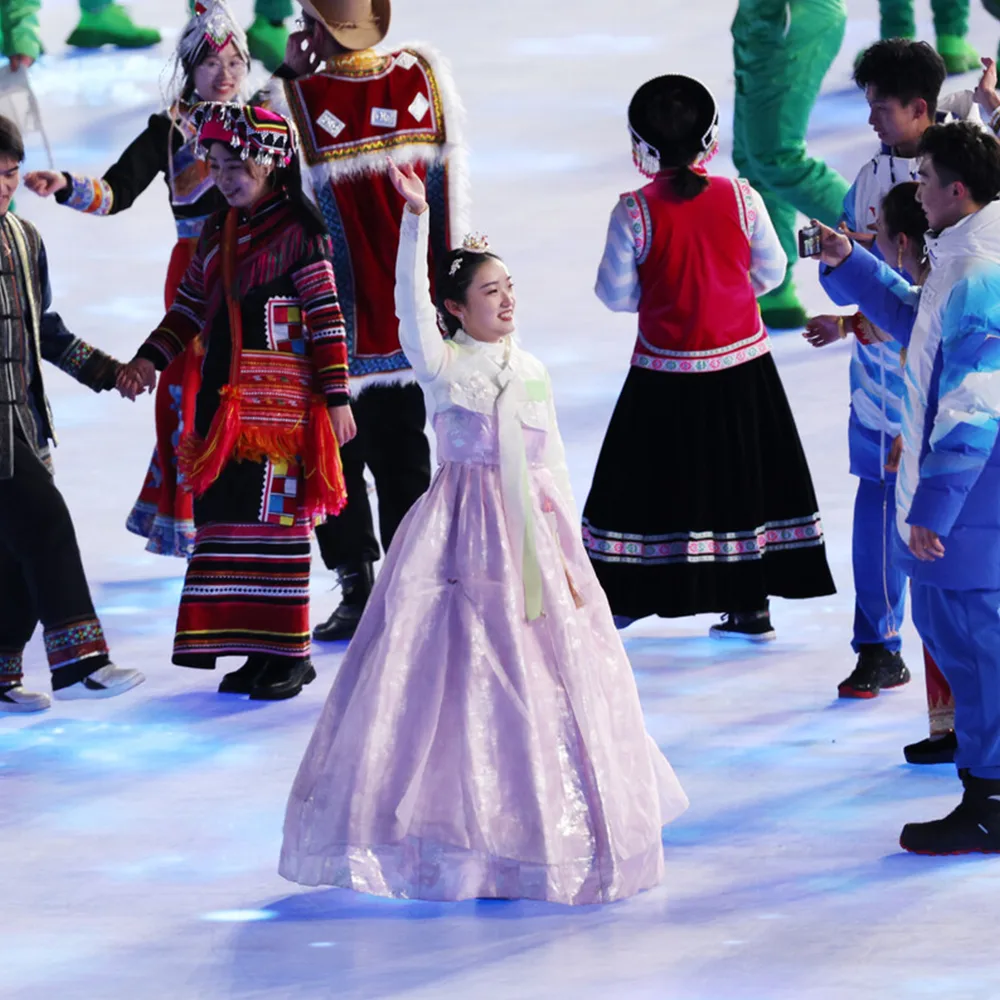
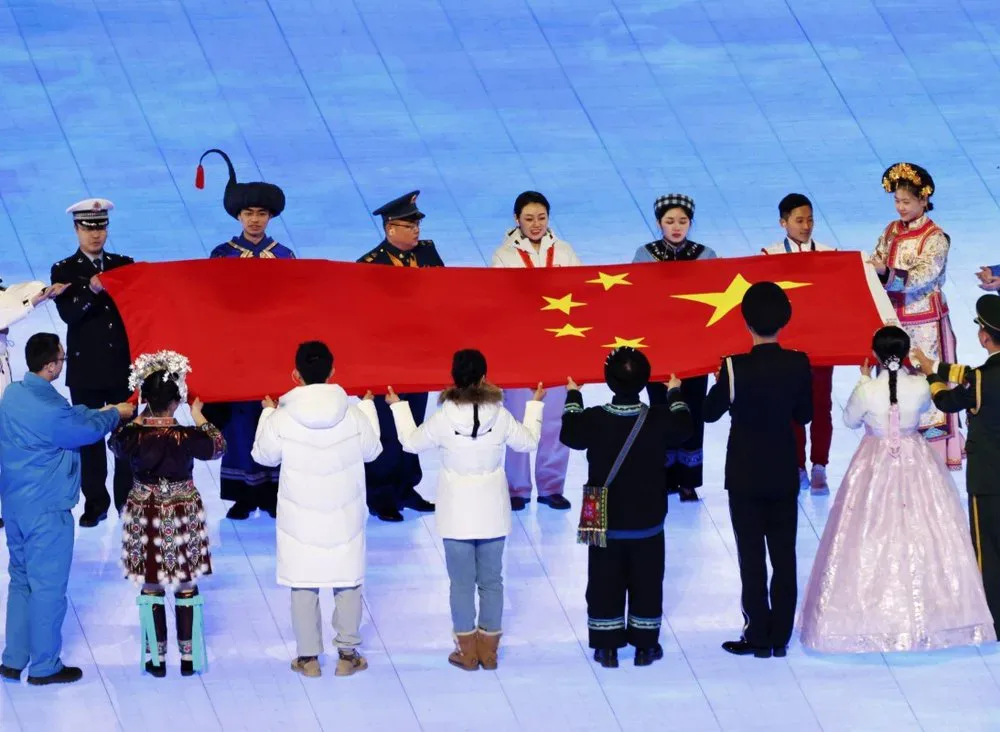
South Korean politicians, objected this.
Officials strongly disagree about the Chinese athletes wearing the hanbok as if representing the clothing as their nation's. Some lawmakers in South Korea even accused China of using the Olympic stage to lay claim to the Korean culture.
In the days since the Beijing Opening Ceremony, tensions around the hanbok and who gets to wear it have heated up on the internet.
Especially on social media platforms, many Chinese users started claiming that the hanbok as a Chinese heritage, and that it is South Korea who stole the culture from them.
Many also criticized South Korean personalities who shared pictures of themselves in the garment.
First, is BTS's Min Yoongi.
The rapper who is better known as Suga, shared an old photo of himself on Instagram, wearing the gonryongpo, which is a type of hanbok traditionally worn by Korean kings.
The previously unseen photo was taken back in 2020 during his his solo song “Daechwita.”
In response, some users on Weibo called for BTS to be "canceled."
"This is unforgivable. This man's fans shouldn't even stay in China. Are you even Chinese?" read one Weibo comment.
"He's Korean. What's wrong with putting up a photo of himself in hanbok? I guess they can't post pictures with clothes and should just upload nudes then," responded another, defending the hanbok and the star.
Other South Korean celebrities caught in the clash, Girls' Generation's Hyoyeon Kim, who shared a picture of herself on Instagram in a black hanbok dress, and Chung Ha for called the hanbok "Korean traditional attire" during a live stream.
Actress Park Shin Hye was also attacked, after posting an image of herself in the hanbok on Instagram with the hashtag #koreantraditionalclothes.
"Get lost. I don't care even if I liked you before. You did this to yourself. Get out, bitch," read one comment, targeting Park.
"I don't want to see your drama anymore", "You don't deserve love from China," said others.
The fiery clash on the internet forced a spokesperson for the Chinese embassy in Seoul to say that the hanbok belongs to ethnic Koreans everywhere, including those who live in China.
"It is not only their wish but also their right for representatives of all ethnic groups in China to wear national costumes to attend the Beijing Winter Olympics," said the spokesperson. "The Korean people in China and the north and south of the Korean Peninsula share the same origin and have a common traditional culture including clothing."
It's worth noting that the hanbok, which can be traced back to South Korea's Three Kingdoms period, the time when the kingdoms occupied the entire Korean Peninsula and a large portion of Manchuria, in which the latter is located in modern China.
While the hanbok does have some resemblance to Chinese traditional attire, like the hanfu, which is traditionally worn by China's Han ethnic group, the debates are mostly concerned about which country influence which.
Before this cultural rivalry, both South Korea and China have fought the "kimchi wars," in which social media users from both countries engaged in heated exchanges over the origins of the pickled vegetable dish.














































































































































































































































































