For more than many times, the internet has claimed the lives of innocent people.
This happens because some bad actors can hide behind their screens, from anywhere in the world, and create damage so severe that victims can no longer sustain the injury.
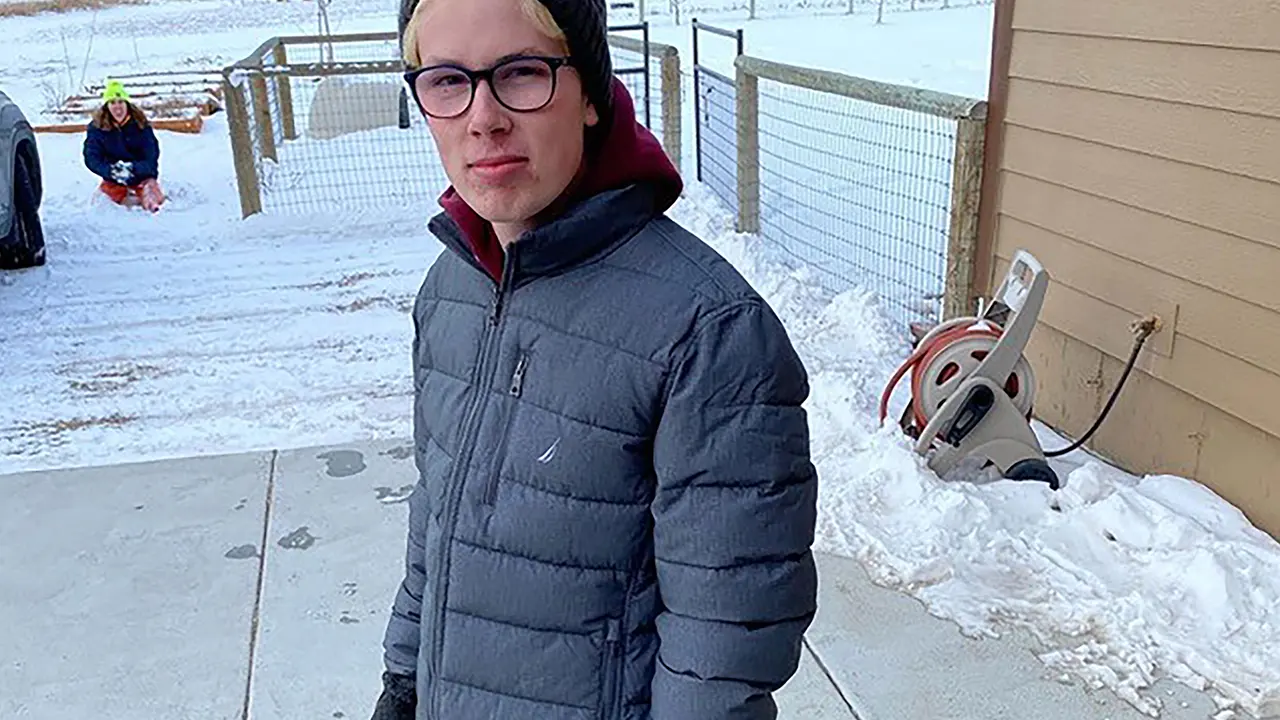
Ryan Last had only received a message on a school night in February from someone he believed to be a girl.
Only hours later, the 17-year-old had died by suicide.
Ryan from San Jose, who attended Sobrato High School, could not face the fact that he had been scammed and fell as a victim of 'sextortion'.
The burden was so huge for the straight-A student and Boy Scout.

It all began one day, when Ryan received a message.
That moment happened just days after she and her son had finished visiting several universities he was considering attending after graduating high school.
Little did she knew, that Ryan was having an intimate conversation with someone, who asked him to send a nude photo.
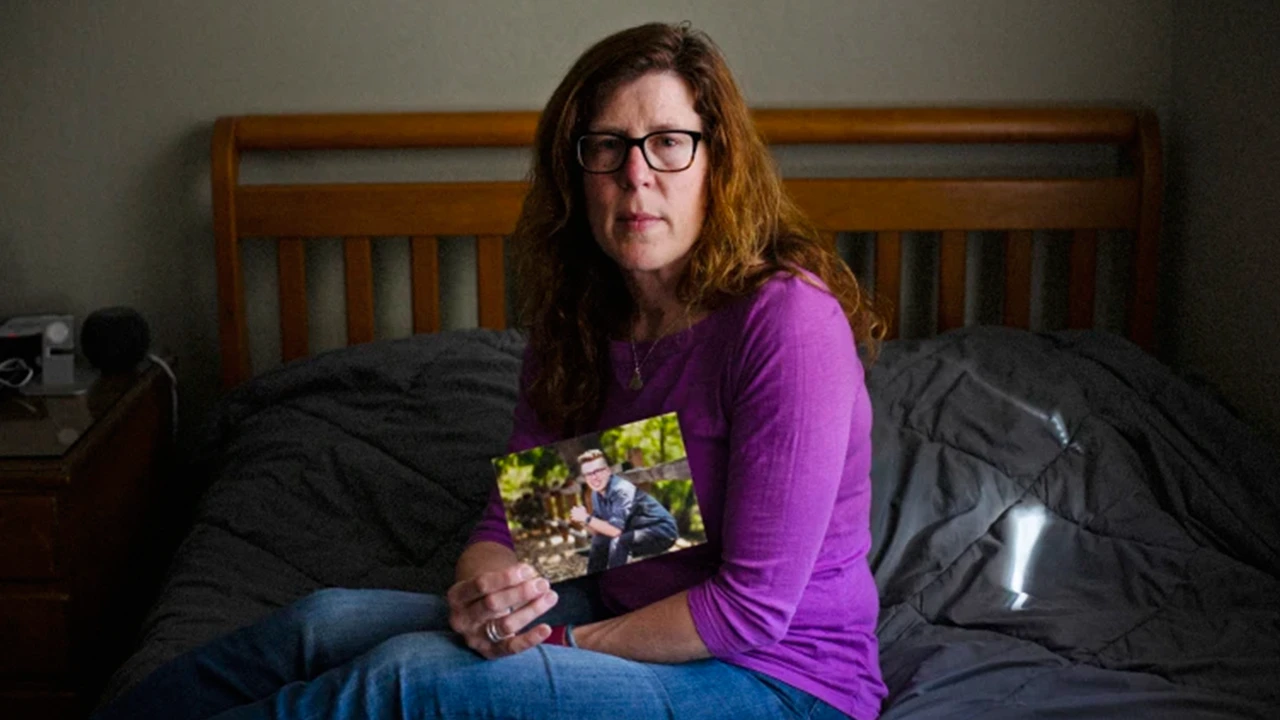
"Somebody reached out to him pretending to be a girl, and they started a conversation," his mother, Pauline Stuart, recalled, fighting her tears from falling.
Ryan who fell for it, sent the person an explicit image of himself, expecting the person on the other end to do the same.
But unfortunately for Ryan, his imagination that ran wild, quickly dispersed.
The person demanded $5,000, threatening to make the photo public, threatening to also send it to Ryan's family and friends.
The teen from California, the U.S., cannot pay that amount, and told the cybercriminals to lower it.
Ultimately, the price was lowered to just $150, which is a fraction of the original price.
Ryan who was relieved, paid the scammer from his college savings, and hoped that he would never experience the terror again.
But again, he was wrong.
"They kept demanding more and more and putting lots of continued pressure on him," his mother said.

Ryan was usually a happy boy.
One night, after saying goodnight to his mother at 10 p.m., unbeknown to her, Ryan wrote a suicide note, describing what he was experiencing, and how embarrassed he was for what he did.
When the clock struct 2 a.m., Ryan took his own life.
Recalling the incident, Pauline Stuart knew that her son had no one to share what he experienced due to the embarrassment he felt he might endured and caused to his family and friends.
When the family realized that Ryan committed suicide, the police was called.
Pauline detailed how investigators reconstructed the events leading up to Ryan's death.
"He really, truly thought in that time that there wasn't a way to get by if those pictures were actually posted online," Pauline said. "His note showed he was absolutely terrified. No child should have to be that scared."
This kind of scam is called a 'sextortion', and it has been common in the U.S. as well as other parts of the world.
In the U.S. alone, the FBI said that there were more than 18,000 sextortion-related complaints in 2021, with losses in excess of $13 million. And according to the bureau, the cybercriminals often use child pornography to lure their targets.
"To be a criminal that specifically targets children - it's one of the more deeper violations of trust I think in society," explained FBI Supervisory Special Agent Dan Costin, who leads a team of investigators working to counter crimes against children.
According to him, many of the sextortion scams reported to the FBI are determined to be from criminals on the African continent and in Southeast Asia.
Federal investigators are working with their law enforcement counterparts around the world, Costin said, to help identify and arrest perpetrators who are targeting kids online.
Making things worse, many victims of sextortion never report the incidents they were having to the police, again, because of fear of embarrassment.
"The embarrassment piece of this is probably one of the bigger hurdles that the victims have to overcome," said Costin. "It can be a lot, especially in that moment."
There are reasons why teenagers have a higher tendencies of committing suicide.
Among the reasons, include the fact that their brains are still developing.
With raging hormones and underdeveloped thinking, teens can be suicidal if something catastrophic happens.
Sometimes, it's hard for teens to process the whole situation, and to look past that moment to understand that behind all that, there is a criminal looking for money, and that life is worth much more than what it seems.
No teen is immune, but there are factors that can make some adolescents more vulnerable than others.
For example, other reasons include mental health conditions, which can make teens experience more trouble coping with the stresses of being a teen, dealing with love life, school difficulties and family turmoil. They might also be unable to see that they can turn their lives around, and ultimately consider suicide as a solution.
And in this case, the catastrophe Ryan experienced was the fear of having his personal picture released to people online, and forgot the fact that he had a loving family and a bright future.
Still grieving the loss of her son, Pauline is channeling her family's pain into action, and honoring Ryan by speaking out and telling his story. She hopes that doing so will help save lives.
"How could these people look at themselves in the mirror knowing that $150 is more important than a child's life?" she says. "There's no other word but 'evil' for me that they care much more about money than a child's life. I don't want anybody else to go through what we did."














































































































































































































































































