Islam, the second largest religion in the world with around 2 billion adherents, and among its holy cities, Mecca is generally considered the holiest.
Adherents believe that Mecca, which has since become a city and administrative center of the Mecca Province of Saudi Arabia, is "the fountainhead and cradle of Islam." Located about 70 kilometers inland from the Read Sea, Mecca is the third-most populated city in Saudi Arabia after Riyadh and Jeddah.
It is believed that Mecca, the city where pilgrims visit every year during the Ḥajj, was founded when Ibrahim (Abraham) left his wife Hajar (Hagar) and son Ismail (Ishmael) in the middle of the desert, ordered by God. But since Zamzam has become its source of water, the Jurhums, an Arab tribe in the Arabian peninsula from Yemen, who also encountered the place, also made it a place to rest and stay.
With more and more people came across it, more people immigrated, and Mecca was born.
The place has long been known for its little rainfall. And with a desert climate that has a very high day-time temperatures during the summer and a sharp temperature drop at night, it's rather rare to see greenery to withstand the weather.
But things are changing, and Muslims are both happy, and terrified.
#فيديو
جبال #مكة تكتسي الخَضار بعد الأمطار التي شهدتها مؤخراً
.
تصوير: عبدالإله السلمي pic.twitter.com/finS66zJXb— إمارة منطقة مكة المكرمة (@makkahregion) January 7, 2023
Near the city of Mecca, rugged terrain includes well-watered lowlands, which allow limited agricultural value, thanks to its alluvial plains. It's also fertile at the slopes.
The thing is, greenery is uncommon.
The area was known for having less than 5 rainfalls per year. But in recent years, especially near the end of December 2022 and early January 2023, Saudi Arabia experienced a relatively large rainfall.
And in turn this, the mountains near Mecca have turned green.
Bushes are swaying in the wind, and one-humped camels that are known for their desert habitat, are seen walking and grazing in the valley area.
This is a rare sight in the Saudi Arabia region, which is dominated by deserts and arid lands.
The greenery has also spread to other areas, including Al Lith, Taif and Jeddah.
On Twitter, many users are astonished by the change of scenery, and how they wish the Saudi Arabian government can preserve it.
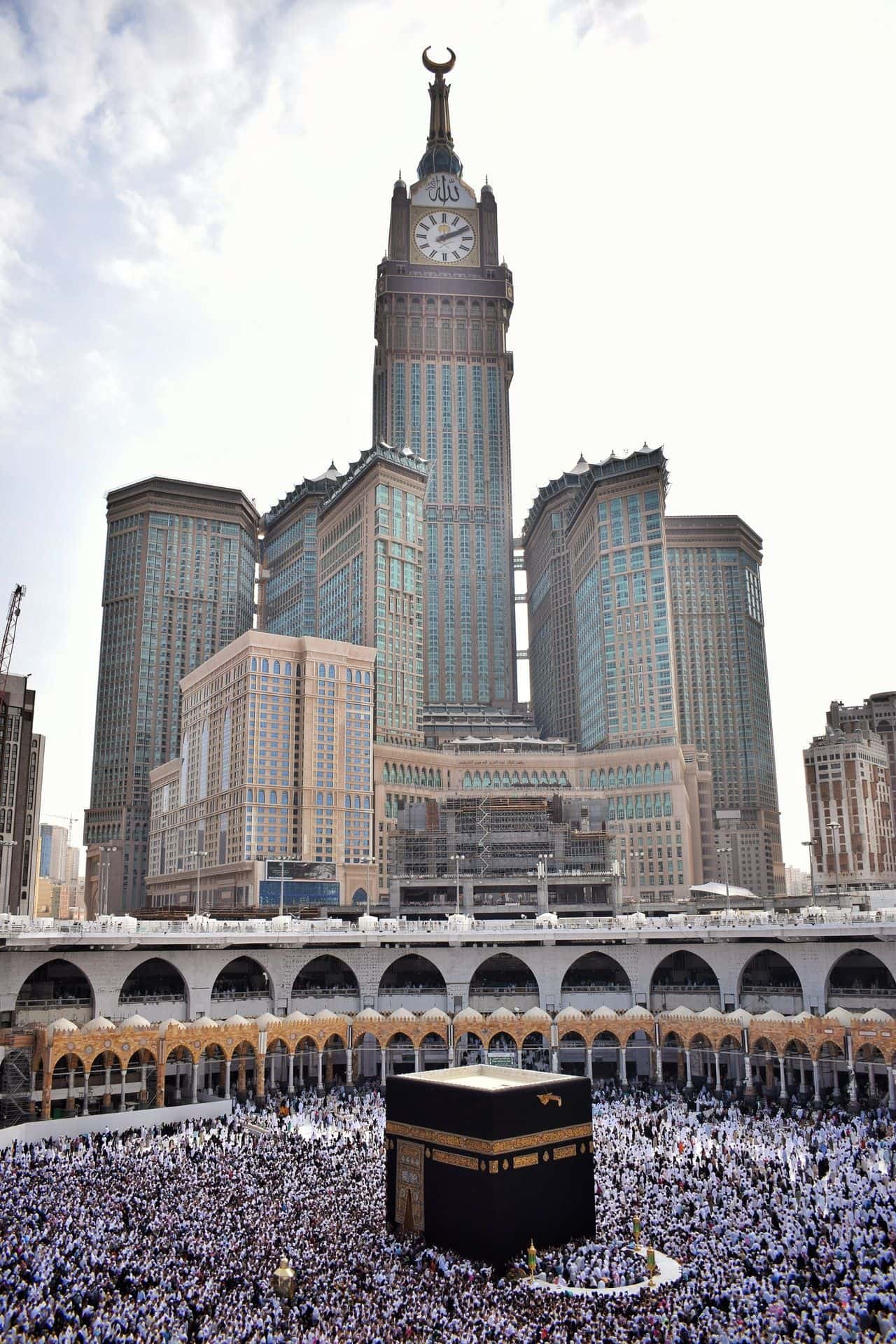
But many showed how they're scared of it.
This is because according to Prophet Muhammad ﷺ, the Arab religious, social, and political leader and the founder of Islam, the "Last Hour" will not come before wealth becomes abundant and overflowing, so much so that a man takes Zakat (a religious duty for all Muslims who meet the necessary criteria of wealth to help the needy) out of his property and cannot find anyone to accept it from him and till the land of Arabia reverts to meadows and rivers.
While meadows have formed in the desert land of Saudi Arabia from time to time, rivers have not yet formed.
At this time, there is no river in Saudi Arabia.
However, with the increasing greenery, it is expected that the rainfall and the more greenery would eventually result in forming a river.














































































































































































































































































