Big data and analytics are no stranger to large corporations. They have long embraced the two to better understand the market and how they perform in the competition.
However, small businesses don't usually use big data, as most of them are still relying on the benefits of real-time digital interconnectivity.
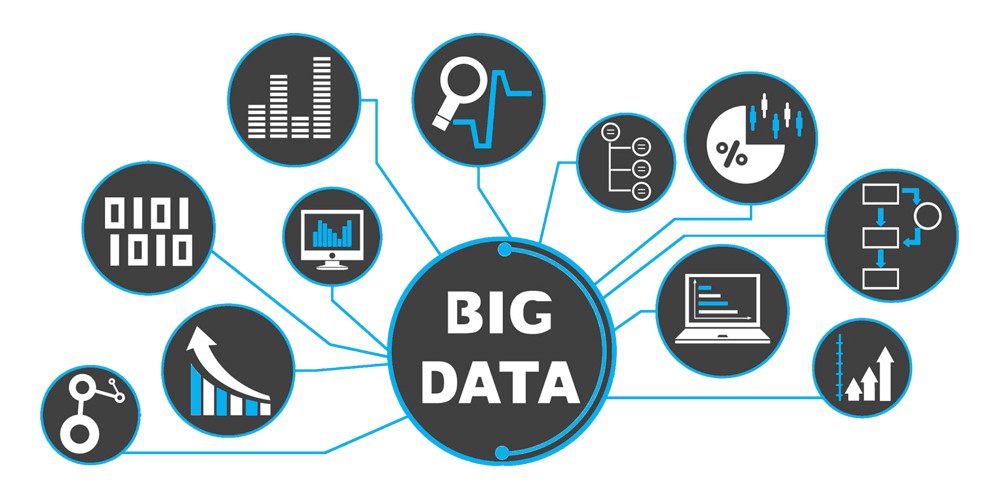
Big data is data sets that are large and too complex for traditional data processing to deal with. Big data challenges include capturing data, data storage, data analysis, search, sharing, transfer, visualization, querying, updating and information privacy.
Big data can be described by the following characteristics: Volume, Variety, Velocity, Variability and Veracity.
With it too complex to deal with, there are reasons why small businesses fear big data. But if they know how to implement the strategy, there are many ways they can gather, analyze and make big data make, without having to spend a lot of money and resources.
Set Your Goals
Before overestimating big data, small businesses need to see how big data can benefit them by first defining their goals.
The goals should be based on what action they want their website's visitors to take. They should see which page has the most hits, and with what content, and how the website can translate those into conversions.
So here they may want to track: URL and internal links, downloads, registrations, inquiries, leads, appointments, purchases and so forth.
Use Your Assets
Because of their size, small businesses tend to be shy in adopting new technologies. But if they should know, technological deployment is usually easier than most have expected.
The reason for this is because to gather data, you don't need expensive software to begin with. You can start by analyzing the data your website and its assets are already generating.
From free tools like Google Analytics and others, there are a multitude of metrics and traffic sources that could be the source of your big data. They all hold valuable information about your website visitors.
For example, if small businesses can understand which customer segments are spending the most time on their website, they can use the insights to more accurately interact and engage with people's habits and needs - they can even predict or influence what they're going to do next.
Create Contents
The most basic thing you need to do, but something that many companies usually forget.
The key to keep people interested in your brand is often through great content. Great contents are the best solution to drive traffic to your website, influence decision-making, and support lead generation.
To create the best content for your business and you visitors, you need to first do a proper keyword research to know what words people are searching for. After knowing the demand, you can then build particular posts based on that finding.
Use The Cloud
Cloud storage providers have grown exponentially in creating cloud and data storages for small businesses.
With those services, small businesses can access files where ever and whenever they want, so they can work from practically anywhere. Many of those cloud services also offer shared folders, so multiple team members can work simultaneously.
Solve Problems
By going through big data, you can also understand why people leave your website.
Search for pages with high bounce-rate. This will give you an understanding of user behavior and help you work out which content needs improving.
Once you know why people leave, you will know what caused them. Here you can craft a better strategy to keep them happy, and prevent them to bounce away as much anymore.
Observe The Competition
Using tools like Google Trends and social media analytics, small businesses can scout big data to understand how popular a product or brand is, and see what others are saying about them.
You can also use big data to check on your competitors, like for example, knowing the sources of their media coverage and social mentions. With the data, you can compare their contents and campaigns to see what they’re doing better than you.
Adjust Campaigns In Real-Time
Large businesses use real-time data insight to improve engagement and predicting what people are going to do next before it happens.
Small businesses can use this type of real-time big data insight to improve their businesses, too. And small businesses in fact, has an advantage: small businesses can adapt and change position faster, and act more quickly than large businesses.
You can use machine learning algorithms to track people's behaviors, interests, and engagement. You can also respond in real time by nudging consumers to a specific page that you think they’ll be interested, or sending them a coupon or discount code to lure them into a purchase.
Conclusion
Big data can exist in many forms and built for special purposes.
Analysis of data sets can find new correlations to spot business trends and so on. Those from scientists, business executives, practitioners, advertising and governments alike regularly meet difficulties with large data-sets in areas including internet search, financial technologies, urban informatics, and business informatics.
However, big data is still redefining the world of business.
With a well-crafted plan, small businesses with the agility to adapt quickly, can play in the same league as their bigger competitors.
Since data sets grow rapidly, small businesses need to clearly understand what they want and what they need. They are required to streamline their strategies to avoid processing big data in its unstructured condition. By understanding how to analyze big data, they can use the insight to remain competitive and consistent.






















































































































































































































































































