
Anthropic has made some changes, and this ignited fresh debates, largely because many tools and agents have relied on a clever, but now restricted, workaround to access powerful models affordably.
At its core, this stems from a fundamental business reality: consumer subscription plans like Claude Pro (around $20/month) and Max (up to $200/month) offer flat-rate, high-volume access that's heavily subsidized compared to the pay-as-you-go API pricing. These plans are designed for individual use through official interfaces like Claude.ai or Claude Code, where Anthropic can monitor, optimize, and control usage patterns to keep inference costs sustainable.
What this means, users subscribe to paid plans to benefit from Claude, in which the money is used to cover the heavy computational expense of running frontier models by blending revenue from lighter users, enterprise deals, and API customers who pay market rates.
Developers and hobbyists, however, discovered they could piggyback on these subsidized subscriptions by routing requests through OAuth tokens obtained from a personal Claude account.
Tools like OpenClaw (recently in the spotlight after its acquisition buzz and its abilities), NanoClaw, and various agent harnesses allowed users to log in with their Pro or Max credentials, then funnel massive token volumes, often far beyond typical individual coding or chatting, into custom agents, workflows, or even shared services.
This let people run sophisticated, always-on AI agents at a fraction of the true cost, sometimes generating thousands of dollars worth of API-equivalent usage for just the subscription fee.
And Anthropic doesn't like that.
This "cheat" is pretty much common.
In fact, it's a well-known classic case of exploiting a subscription, using another model that relies on that large language model's API. As a result, the pricing mismatch opens up the flat-rate "all-you-can-eat" buffet.
The thing is, Anthropic doesn't want its resources to be used for unlimited third-party that resell or for high-intensity automation.
To address this, Anthropic updated its Claude Code documentation, in order to make the restriction explicit.
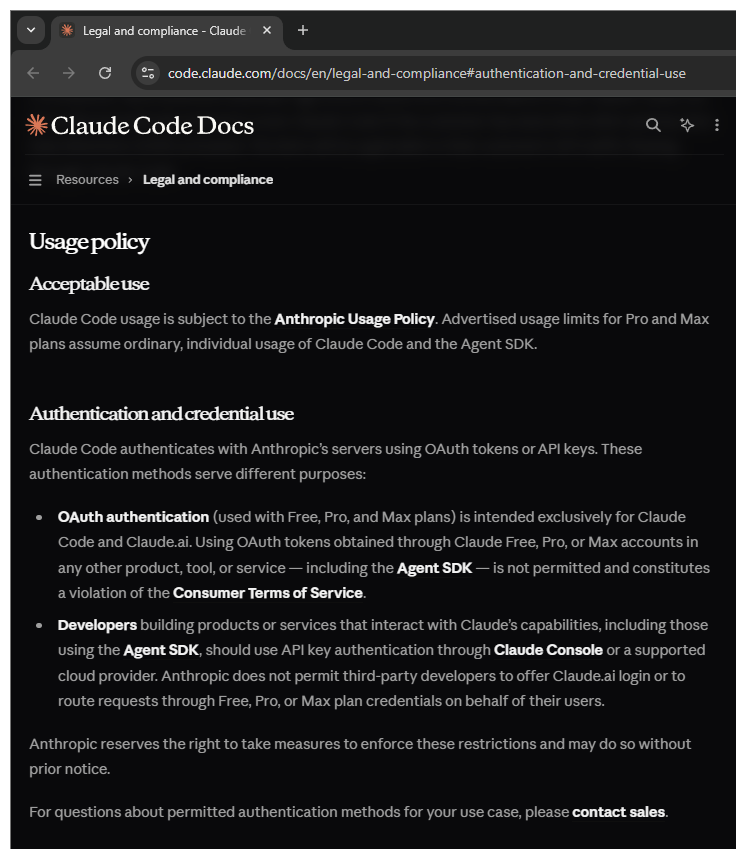
First, the acceptable use of Claude Code "is subject to the Anthropic Usage Policy," and that the advertised usage limits for Pro and Max plans "assume ordinary, individual usage of Claude Code and the Agent SDK."
Then, as for authentication and credential use, Anthropic is making it clear that Claude Code authenticates with Anthropic's servers using OAuth tokens or API keys. And because of that, Auth authentication (used with Free, Pro, and Max plans) is intended exclusively for Claude Code and Claude.ai.
What this means OAuth tokens obtained through Claude Free, Pro, or Max accounts in any other product, tool, or service, including the Agent SDK, is not permitted and constitutes a violation of the Consumer Terms of Service.
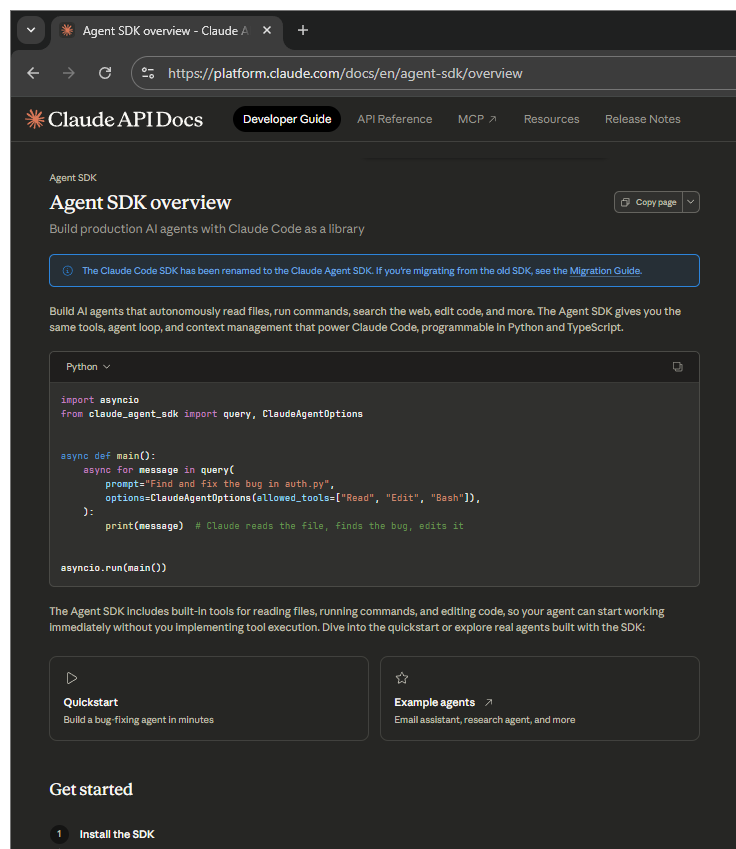
And then, as for developers building products or services that interact with Claude's capabilities, including those using the Agent SDK, they should use API key authentication through Claude Console or a supported cloud provider. Anthropic does not permit third-party developers to offer Claude.ai login or to route requests through Free, Pro, or Max plan credentials on behalf of their users.
Earlier technical blocks (starting around January 2026) had already begun disrupting these setups, with sudden 403 errors and "credential only authorized for Claude Code" messages appearing overnight.
The backlash was swift and vocal, especially on Hacker News, Reddit, and X, where users called it everything from anti-innovation to a walled-garden move that kills accessible agent experimentation. Many felt it punished the ecosystem Anthropic helped foster, pushing people toward competitors with more flexible terms or open-source alternatives.
Critics highlighted the irony: subscriptions subsidize broad adoption, yet unrestricted third-party piggybacking undermines the economics that make those low prices possible in the first place.
Anthropic quickly addressed the uproar, with a representative clarifying on X that the docs tweak was mostly cleanup for consistency, and that there is no major shift for personal experimentation. Users can still run agents (including tools like OpenClaw or NanoClaw) with their own subscriptions through supported paths, and individual tinkering is encouraged.
The hard line applies mainly to commercial builds. So if users are creating a business, shared service, or production tool around Claude capabilities, they have to switch to proper API keys for transparent billing and compliance.
This episode highlights the tightrope frontier AI companies walk: balancing generous consumer access to drive growth against the massive inference bills that come with unchecked, high-volume usage in third-party ecosystems. While the immediate panic has subsided with reassurances for hobbyists, it leaves developers weighing whether to stick with official channels, absorb higher API costs, or migrate to rivals.
The promise of cheap, powerful agents remains, but the subsidy loophole is closing fast.






















































































































































































































































































